
Drone strike sparks fire near UAE Barakah nuclear plant
IAEA confirms generator hit and brief switch to emergency diesel, regional ceasefire talks stall as infrastructure becomes the message
Images
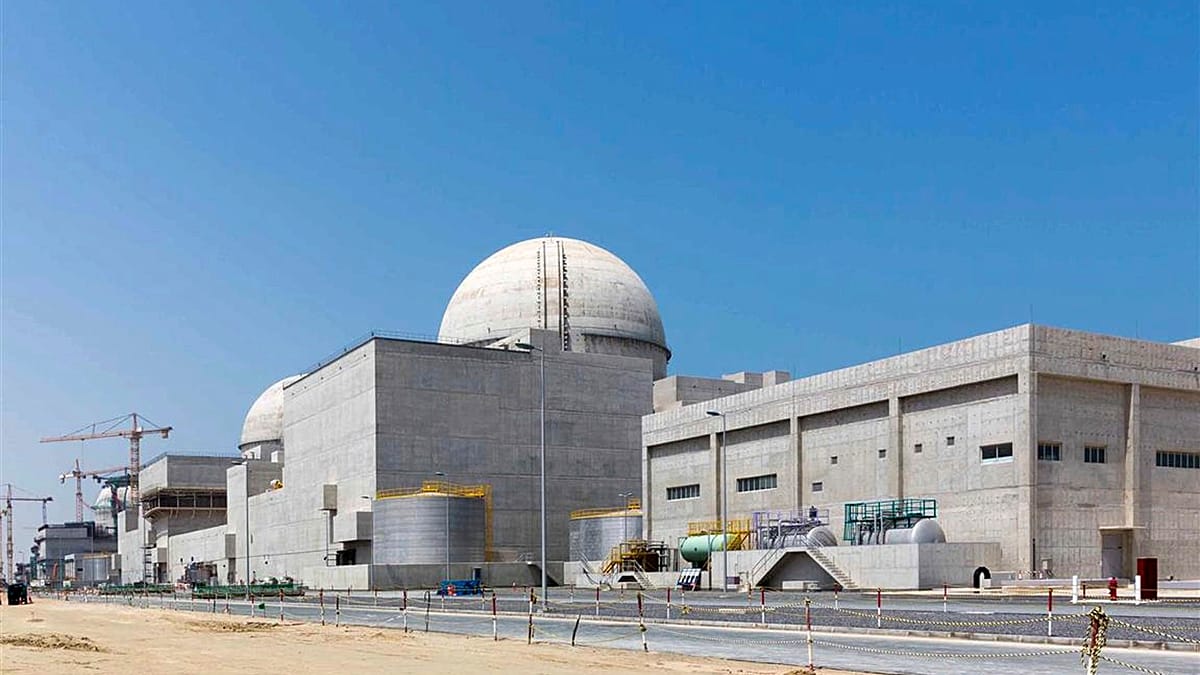 Drone strike hits UAE nuclear plant perimeter, fire reported
euronews.com
Drone strike hits UAE nuclear plant perimeter, fire reported
euronews.com
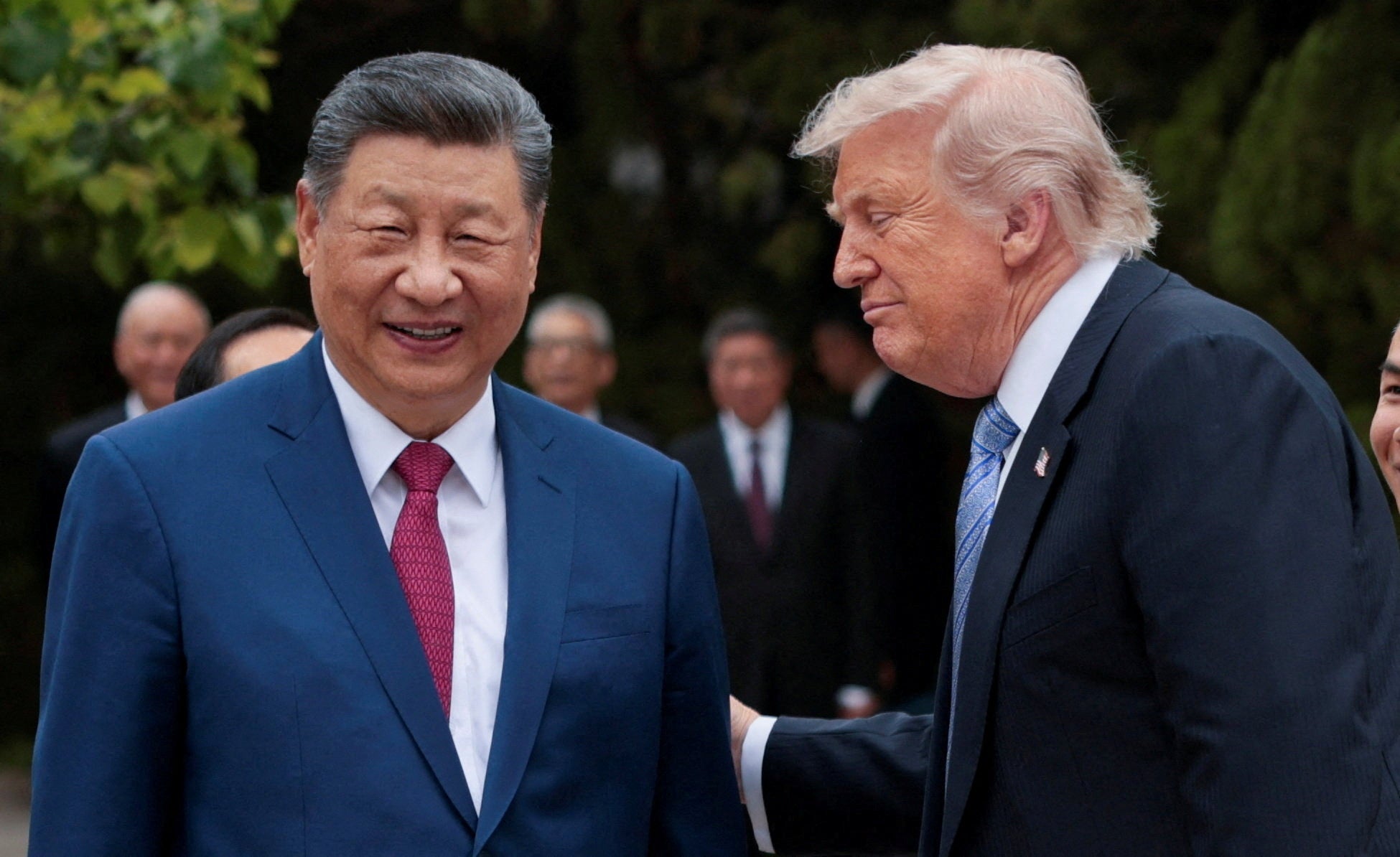 US President Donald Trump speaks with Chinese President Xi Jinping (REUTERS)
REUTERS
US President Donald Trump speaks with Chinese President Xi Jinping (REUTERS)
REUTERS
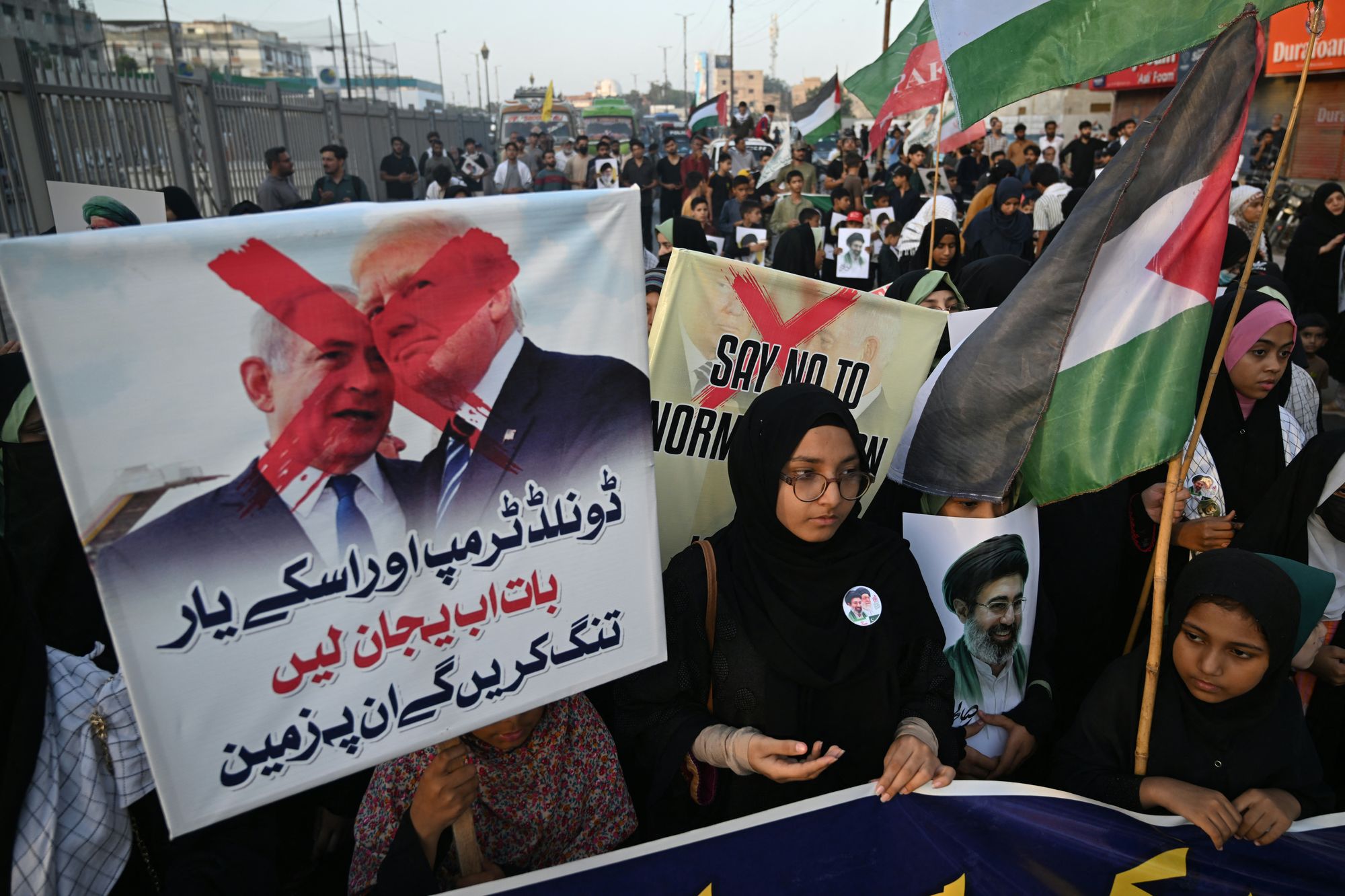 Protestors hold placards during an anti US-Israel protest in Karachi on May 16 (AFP via Getty Images)
AFP via Getty Images
Protestors hold placards during an anti US-Israel protest in Karachi on May 16 (AFP via Getty Images)
AFP via Getty Images
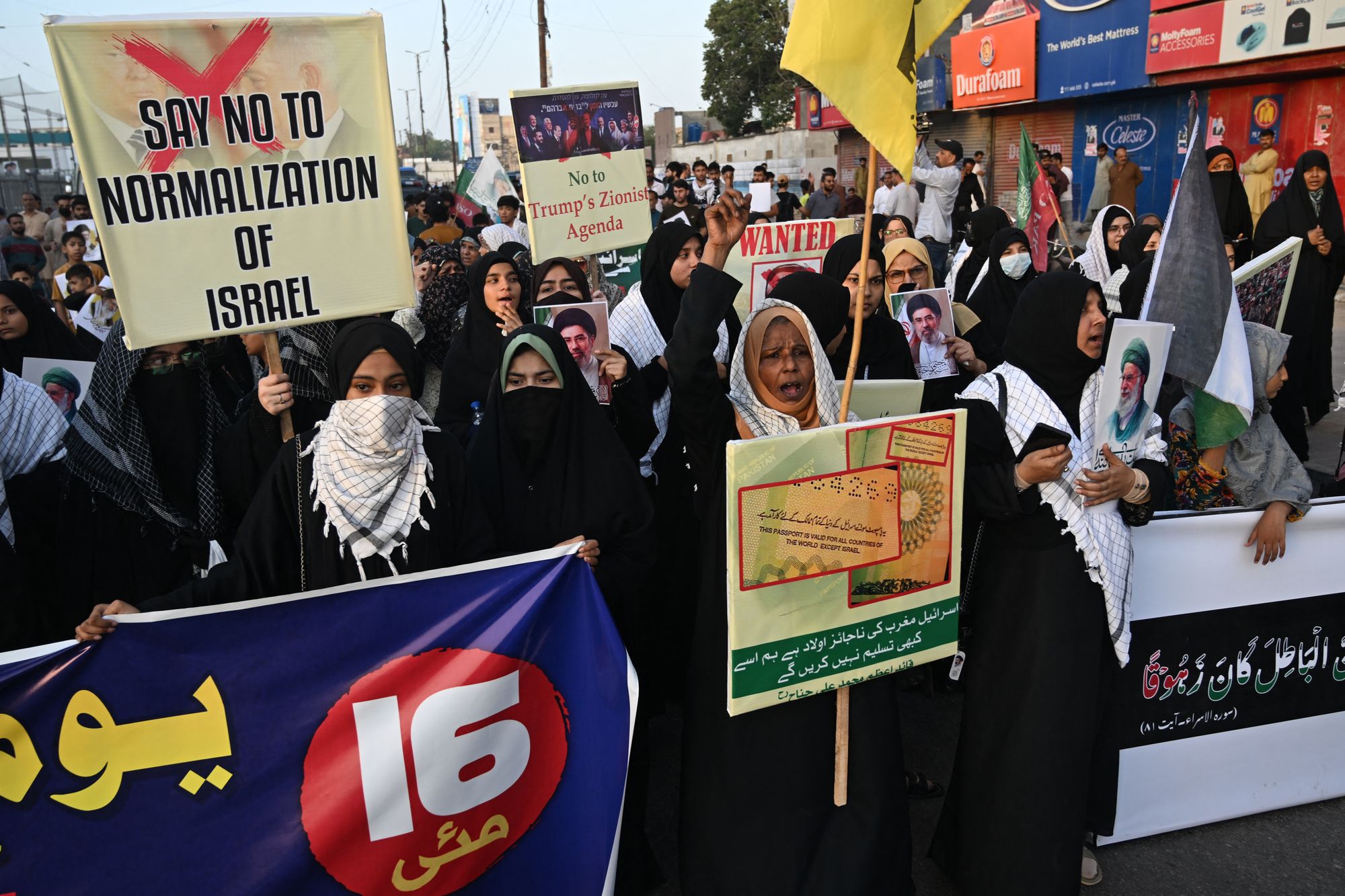 Placards in held by protestors read "say no to normalisation of Isreal" (AFP via Getty Images)
AFP via Getty Images
Placards in held by protestors read "say no to normalisation of Isreal" (AFP via Getty Images)
AFP via Getty Images
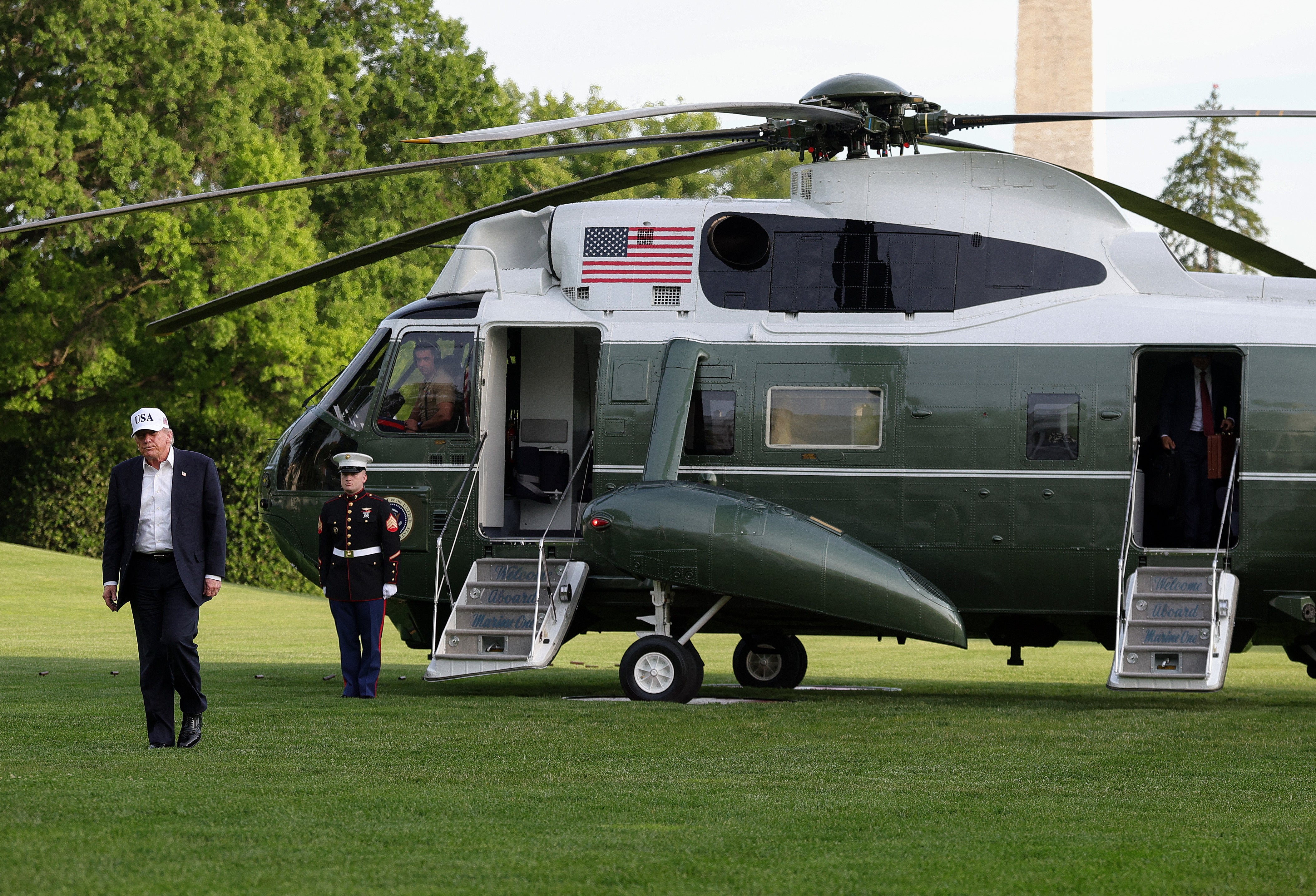 US President Donald Trump returns to the White House on May 15, 2026 (Getty Images)
Getty Images
US President Donald Trump returns to the White House on May 15, 2026 (Getty Images)
Getty Images
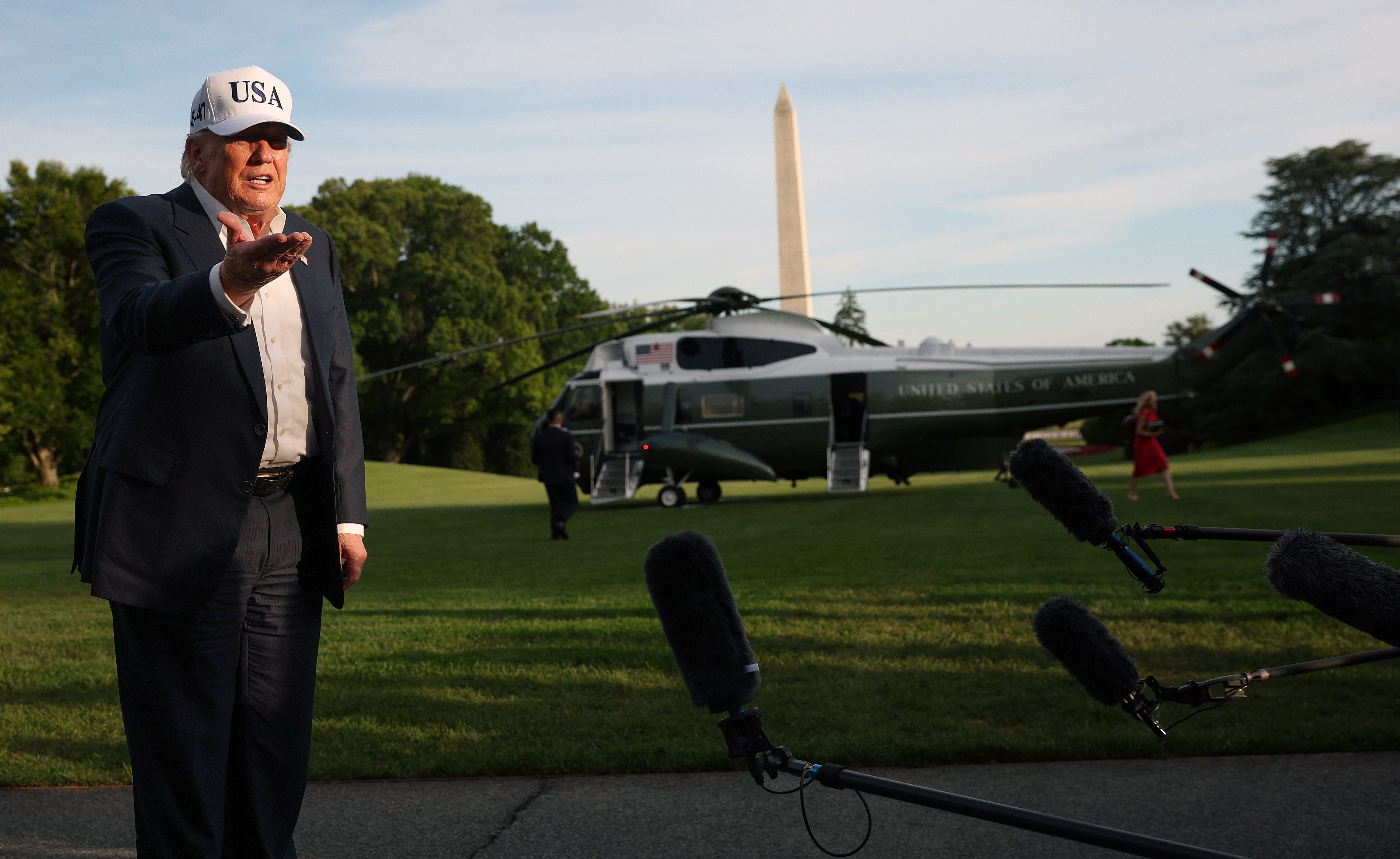 Donald Trump said China's President Xi agreed that Iran should not be allowed to have a nuclear weapon (Getty Images)
Getty Images
Donald Trump said China's President Xi agreed that Iran should not be allowed to have a nuclear weapon (Getty Images)
Getty Images
A drone strike sparked a fire on the perimeter of the United Arab Emirates’ Barakah nuclear power plant, with Emirati authorities saying an electrical generator outside the main facility caught fire and that the plant continued operating normally.
According to Euronews, no injuries were reported and no radiation leak was detected. The International Atomic Energy Agency said it was in contact with UAE authorities and confirmed the incident affected an electrical generator; one reactor briefly relied on emergency diesel generators before normal systems resumed. No group immediately claimed responsibility, and the UAE did not publicly assign blame.
The incident lands in a region where energy infrastructure has become part of the signalling. Barakah is a civilian facility, but it sits inside the same risk envelope as ports, tank farms and desalination plants: assets that cannot easily be moved, and whose disruption is felt by insurers and commodity markets long before it shows up in official casualty figures. The UAE has faced repeated missile and drone attacks during the wider confrontation around Iran, and even when governments avoid naming perpetrators, the market still has to price the possibility that a strike is a rehearsal rather than an outlier.
That pricing pressure is already visible in the Gulf’s maritime chokepoint. The Strait of Hormuz has been at the centre of a standoff over shipping access and security guarantees, and the frontpage in this section has tracked how a nominal ceasefire has coexisted with coercive control over trade routes. A drone reaching the perimeter of a nuclear plant extends the same logic from sea lanes to fixed national infrastructure: the attacker does not need to cause a radiological incident to impose costs; it only needs to demonstrate reach and raise the expected bill for protection.
Political messaging has followed the hardware. The Independent reports that US President Donald Trump renewed warnings that Iran would face “a very bad time” if it did not reach a peace agreement, while Iran’s foreign minister Abbas Araghchi said contradictory messages from Washington had left Tehran doubtful about US intentions. With talks described as stalled, each incident becomes a test of whether restraint is a policy or merely a pause between strikes.
The UAE says Barakah kept operating normally after the fire. The IAEA says one reactor briefly ran on emergency diesel generators.