
Rwandan genocide suspect Félicien Kabuga dies in The Hague custody
Trial had been halted after judges ruled him unfit due to dementia, tribunal ends with evidence heard but no verdict
Images
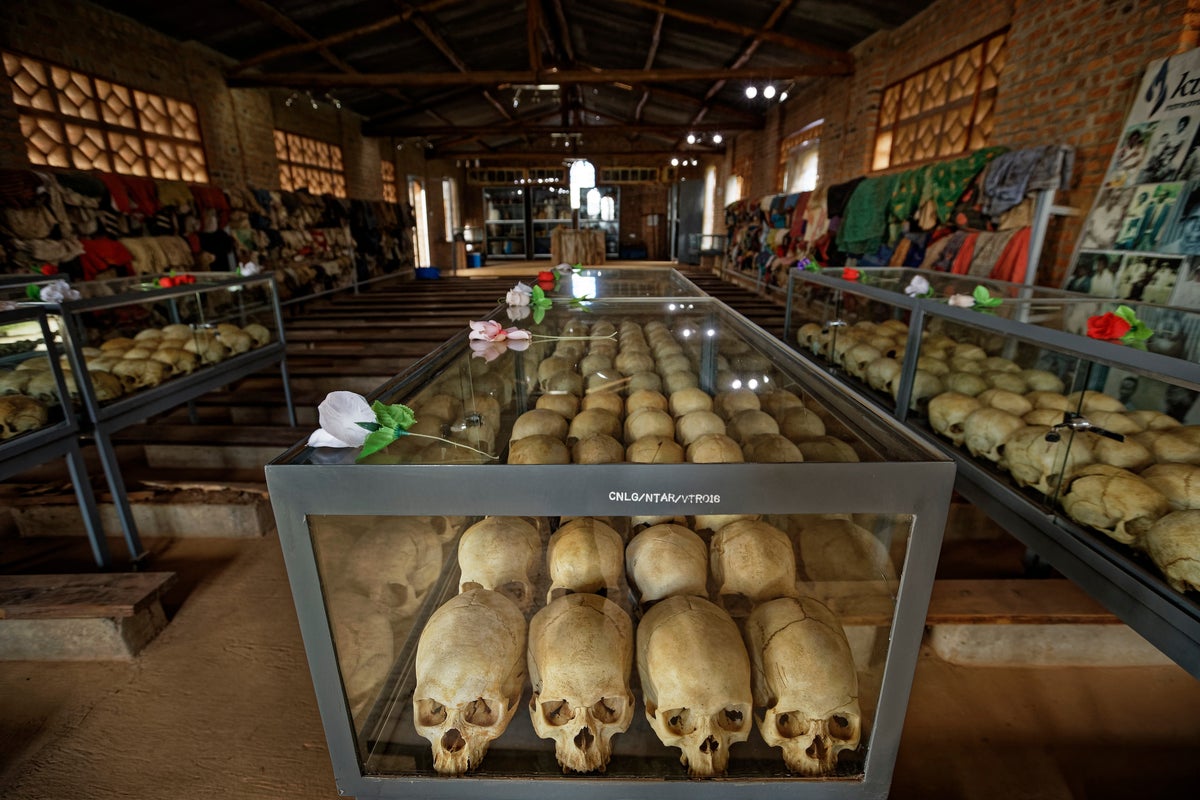 Rwandan genocide suspect Kabuga dies in custody in The Hague at age 91
independent.co.uk
Rwandan genocide suspect Kabuga dies in custody in The Hague at age 91
independent.co.uk
Félicien Kabuga, a key suspect accused of financing and inciting the 1994 Rwandan genocide, has died in hospital while in custody in The Hague, according to an AP report carried by The Independent. His death ends a case that had already been suspended after judges ruled he was unfit to stand trial because of dementia, leaving survivors and prosecutors with a record-building process but no prospect of a verdict.
Kabuga’s prosecution was meant to signal that time and distance do not erase responsibility for mass crimes. Yet the case also shows how international criminal justice can be slowed by the very procedural standards that distinguish it from victor’s justice. Kabuga was arrested in France in 2020 after years as a fugitive, and his trial began in 2022, The Independent reports. By 2023, judges had halted proceedings on medical grounds and planned to continue hearing evidence without the possibility of conviction—an unusual compromise that prioritised historical documentation over punishment.
The gap between those aims is politically charged because Rwanda’s genocide is not a distant legal abstraction. The Independent notes that the 100-day killing campaign left roughly 800,000 dead, and that many survivors were angered when Kabuga was declared unfit for trial, seeing the decision as a denial of the maximum sentence they believed his alleged role deserved. International tribunals are built to be insulated from local pressure, but they also depend on legitimacy that is ultimately local: public acceptance that the process is not simply a theatre of delay.
Kabuga’s detention status had also become a practical problem for the court. The Independent reports that he remained in custody while the tribunal sought a country willing to accept him for provisional release, a reminder that even a UN-backed court cannot implement its own decisions without state cooperation. Rwanda offered to take him back, but his lawyer said he would not return, citing fears of mistreatment.
The UN court said an investigation has been ordered to establish the circumstances of his death, The Independent reports. The larger question—what accountability looks like when defendants outlive verdicts—will not be answered by a medical file.
Kabuga was arrested, brought to The Hague, declared unfit for trial, and died there. The tribunal’s final act in the case is now an inquiry into what happened in his hospital room.