
CIA director meets Cuban security chiefs in Havana
Fuel reserves run out as blackouts last up to 22 hours, US aid offer sits alongside tightened sanctions
Images
 The US and Cuba intensify negotiations as the island’s collapse deepens
english.elpais.com
The US and Cuba intensify negotiations as the island’s collapse deepens
english.elpais.com
Cuba hosts CIA director in Havana talks, meeting comes as fuel reserves hit zero and blackouts stretch to nearly all-day outages, Washington offers aid while tightening energy sanctions
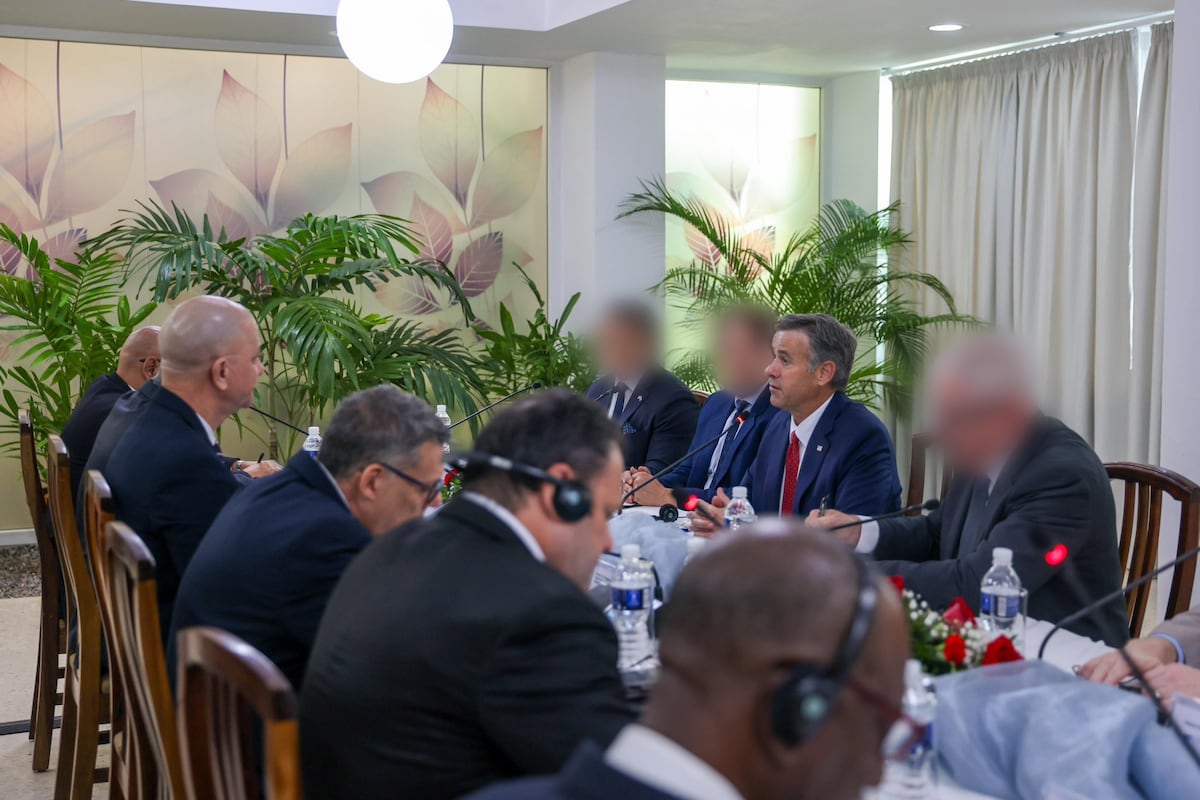
Photos released by the U.S. intelligence agency show CIA director John Ratcliffe meeting in Havana on May 14 with Cuba’s interior minister and the head of Cuban intelligence, according to El País. The sit-down, part of roughly two months of contacts between Washington and Havana, took place as Cuba’s energy and supply system buckles under a U.S. pressure campaign that has focused on fuel.
El País reports that the day before Ratcliffe’s delegation arrived, Cuba’s energy and mines minister said on state television that the island had no fuel reserves left. In parts of the country, blackouts have lasted up to 22 hours, disrupting hospitals and transport and turning daily routines into queues and improvised workarounds. Protest has followed the usual Cuban grammar of scarcity—pots banged from balconies, rubbish set alight, stones thrown at shuttered petrol stations—while the security apparatus remains intact enough to contain flare-ups.
The talks land in the middle of contradictory U.S. signals. Since late January, President Donald Trump has imposed what El País describes as an energy embargo, and the State Department has tightened sanctions on non-U.S. entities that keep doing business with Cuba in sectors including energy, defence, security and finance. Yet in March, the U.S. allowed a Russian tanker to deliver a large shipment of crude oil to Cuba, temporarily easing the shortage. The result is a negotiating environment where the taps can be turned on for a week, then off again, with the costs paid immediately by Cuban households rather than by the officials signing communiqués.
Washington has paired pressure with a headline aid offer. El País says the State Department put $100 million on the table, and that Havana accepted the offer in exchange for “significant reforms” to Cuba’s communist system—an unusually explicit trade given the regime’s habit of treating reform as a domestic matter and sanctions as foreign aggression. U.S. media reports cited by El País also describe plans to prosecute former Cuban leader Raúl Castro over the 1996 downing of an aircraft flown by a Cuban exile humanitarian group, adding a legal cudgel to the economic one.
Cuban official messaging has been ambivalent: willingness to negotiate, warnings of resistance, and statements framing the meeting as “developing bilateral cooperation,” El País reports. The practical test is whether fuel starts arriving again—and whether the lights stay on long enough for the government to claim it was governance rather than a temporary waiver.
On the same week Havana hosted the CIA director, Cuban television was still explaining to viewers why there was nothing left in the tanks.