
Leicester Comedy Festival delays payments to performers
Organisers cite cashflow and money owed from sponsors and ticketing, prestige does not cover travel and VAT
Images
 Ben Alborough said he was frustrated money was not ringfenced to pay acts
bbc.com
Ben Alborough said he was frustrated money was not ringfenced to pay acts
bbc.com
 Ben Alborough said he was frustrated money was not ringfenced to pay acts
bbc.com
Ben Alborough said he was frustrated money was not ringfenced to pay acts
bbc.com
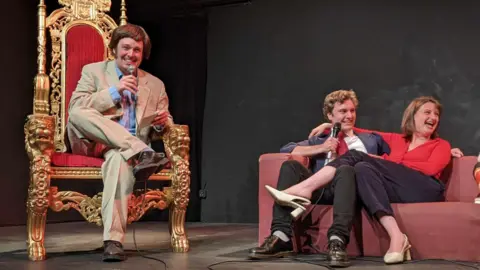 Alborough on stage as the late Sir Terry Wogan as part of a satirical variety show
bbc.com
Alborough on stage as the late Sir Terry Wogan as part of a satirical variety show
bbc.com
Hundreds of comedians and small event organisers say they are still waiting to be paid by Leicester Comedy Festival months after this year’s shows ended, according to the BBC. The festival, which drew about 100,000 spectators and more than 500 acts, ran from 4 to 22 February, and performers were initially told they would be paid in April.
Several comedians told the BBC that the sums are not trivial at their scale. Ben Alborough said he was owed just short of £2,000, after paying “several hundred pounds” per show in registration fees, travel, accommodation and production costs. Canadian stand-up comedian Zoe Brownstone said she was owed £180, and said she was surprised that a large, well-organised festival could not settle up at the end of the run. The problem extends beyond performers: Rachael Johnson, who hosted two festival events in Lutterworth, said her venue had paid its acts and staff but had not received ticket-sale revenues, leaving her with ongoing costs such as wages, rates and VAT.
Festival organisers describe the issue as timing rather than insolvency. Michael Harris-Wakelam, chief executive of Big Difference, the non-profit that runs the festival, told the BBC it was a cashflow problem and that the organisation was “committed” to paying artists, but was waiting on funds owed to it. The festival said it was awaiting money from sources including sponsorship, commission shows and ticket sales sold through third parties.
That explanation points to a familiar fragility in the live-events business: the people with the least leverage—individual performers and small venues—are often last in the queue when payments are delayed upstream. Ticketing intermediaries can hold cash while reconciling refunds, fees and revenue shares; sponsors can pay on their own schedules; and a festival can still look busy and successful on stage while its back office is effectively running on short-term credit from the people it hires. For many acts, a festival slot is also marketing: it can be hard to push back without risking future bookings, even when the unpaid invoice is the difference between breaking even and losing money.
Leicester Comedy Festival has grown into one of the UK’s biggest, with high-profile names on the bill alongside newcomers. But the dispute shows how quickly prestige stops functioning as currency when rent, travel and payroll come due.
The festival says it aims to pay all performers as soon as possible. For comedians who covered their own costs upfront, the invoice date—not the applause—has become the measure of how the season went.