
Family loses contact with British couple held in Iran
Foremans phone access reportedly cut after media interview, Evin prison case shows how leverage is applied by denying basic communication
Images
 Lindsay and Craig Foreman have been detained in Iran for more than a year
bbc.com
Lindsay and Craig Foreman have been detained in Iran for more than a year
bbc.com
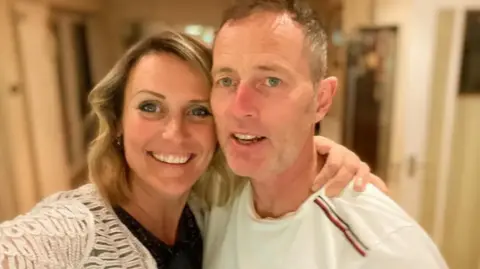 Lindsay and Craig Foreman have been detained in Iran for more than a year
bbc.com
Lindsay and Craig Foreman have been detained in Iran for more than a year
bbc.com
 Craig and Lindsay Foreman are being held in Evin prison in Tehran on espionage charges, which they deny. Photograph: Free Lindsay and Craig Campaign/Reuters
theguardian.com
Craig and Lindsay Foreman are being held in Evin prison in Tehran on espionage charges, which they deny. Photograph: Free Lindsay and Craig Campaign/Reuters
theguardian.com
The family of two Britons imprisoned in Iran says all contact has been cut off, leaving them unsure whether the couple is safe, according to the BBC. Lindsay and Craig Foreman were detained in January 2025 on suspicion of espionage while travelling, charges they deny. Their relatives say phone access—described as their only link to the outside world—has been stopped for more than a week.
The case illustrates how Iran’s detention system works as a pressure tool that can be tightened or loosened without warning. The Guardian reports the couple is held in Tehran’s Evin prison and has been sentenced to a long prison term on espionage charges. Family members believe the cutoff may be retaliation for the couple speaking publicly about their detention, after a media interview earlier this month. Craig Foreman had warned his family that if calls were blocked, he and his wife might begin a hunger strike—an escalation that shifts risk onto the prisoners’ bodies when legal remedies are absent.
Iran’s security services have long treated foreign passports and foreign connections as a form of collateral, particularly when the state is under sanctions or military pressure. Britain’s Foreign Office advises against all travel to Iran and warns that British and British-Iranian nationals face a significant risk of arrest, questioning or detention; it says UK connections alone can be sufficient grounds. That warning is not a travel tip so much as a description of how the system prices foreigners: the individual’s freedom becomes a bargaining chip whose value rises when diplomatic channels narrow.
The timing matters. The BBC notes the couple’s detention has continued through a period of war and ceasefire manoeuvring between the US and Iran, with the region’s security situation deteriorating and embassies reducing their footprint. When consular access is limited and communications are controlled, families are left negotiating through press statements and public campaigns, hoping visibility is protection rather than provocation.
The family says the couple previously ended a hunger strike after receiving written assurances they would be allowed to see each other and contact relatives. This month, the phone line went quiet again.