
Trump heads to China with US corporate delegation
Reuters names Elon Musk and Tim Cook among expected attendees, Hormuz and critical minerals ride along with trade
Images
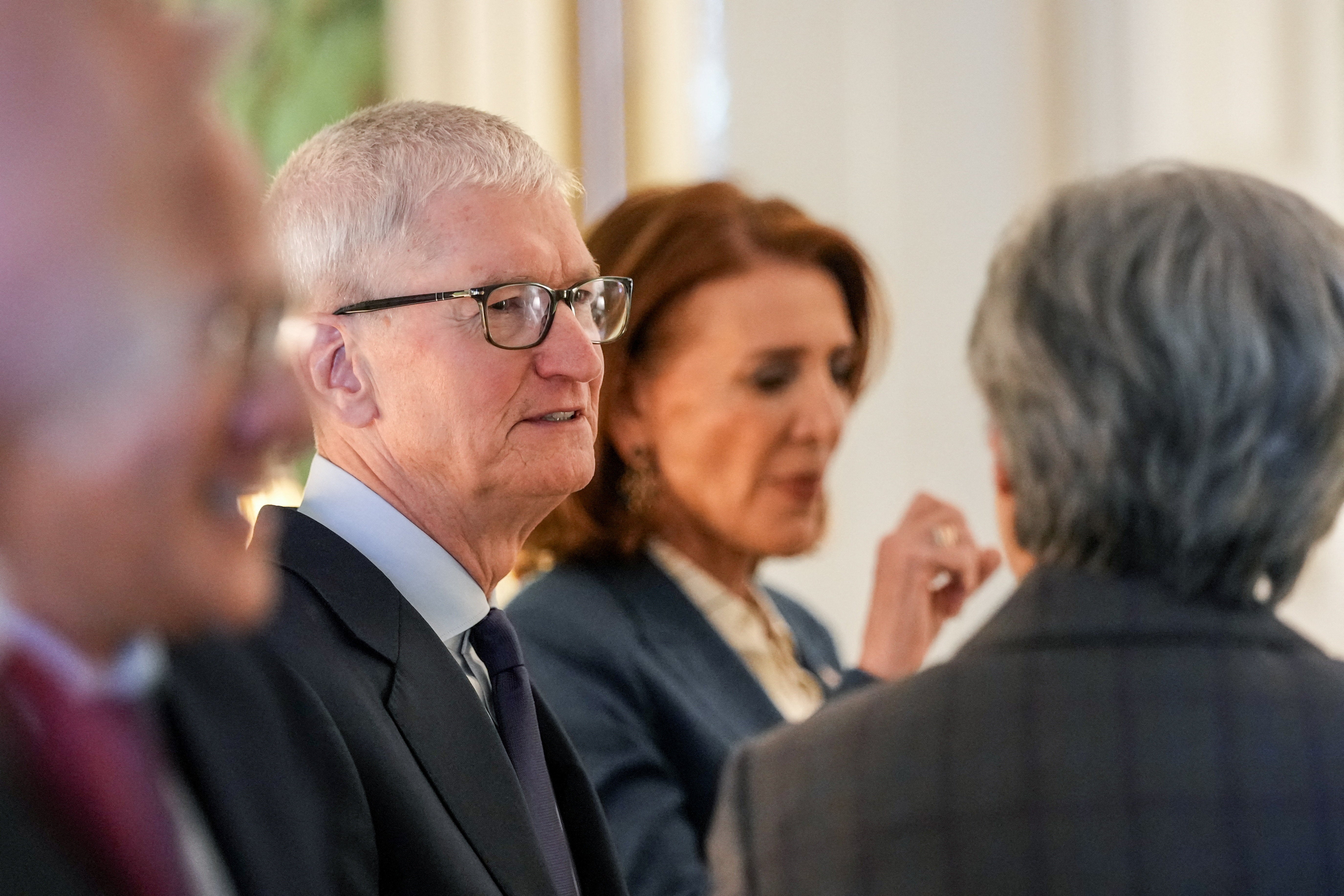 This group of more than a dozen top executives will accompany President Trump for his summit with Chinese counterpart Xi Jinping (Reuters)
Reuters
This group of more than a dozen top executives will accompany President Trump for his summit with Chinese counterpart Xi Jinping (Reuters)
Reuters
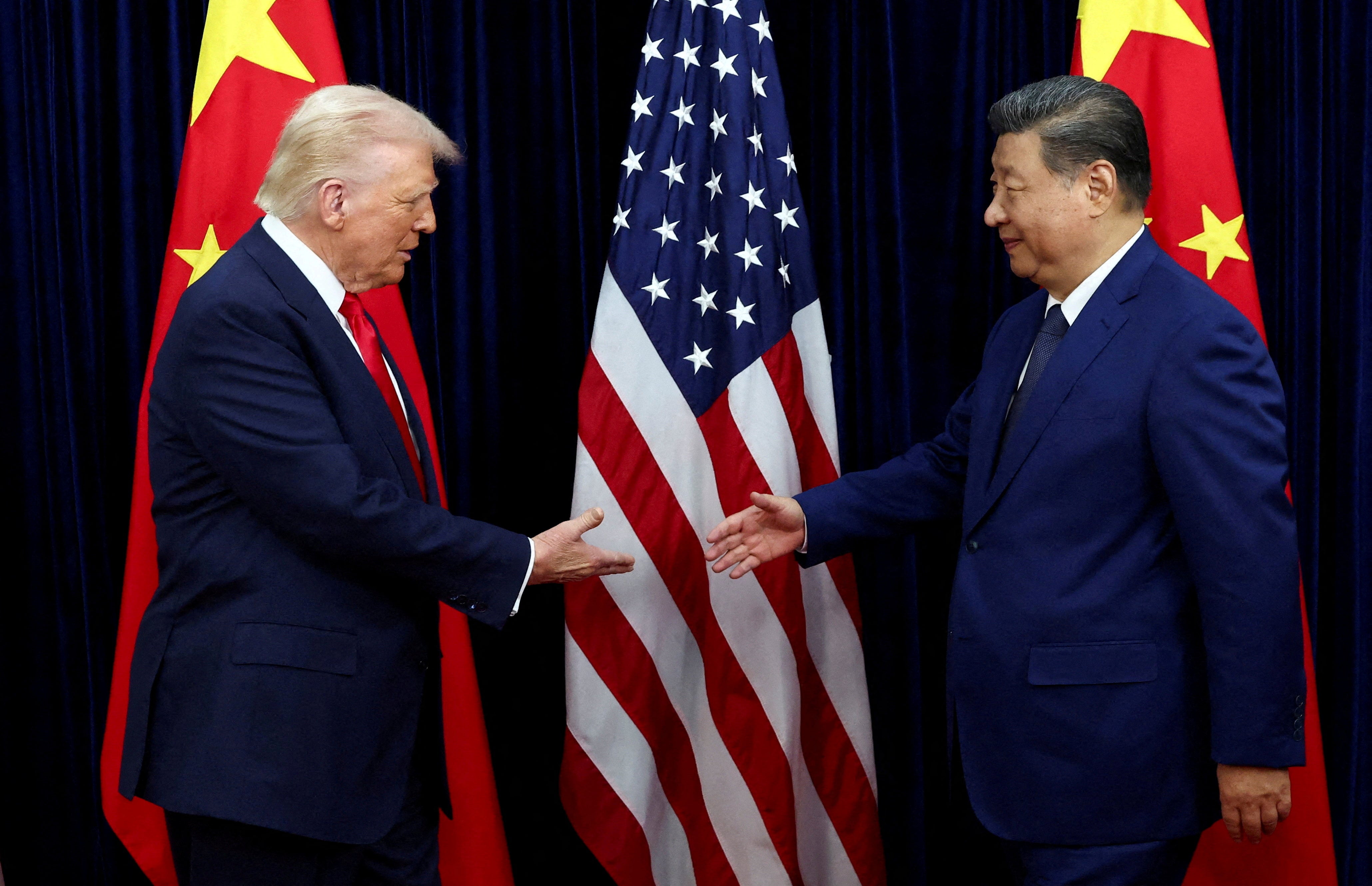 Donald Trump shakes hands with Xi Jinping as they hold a bilateral meeting at Gimhae International Airport, on the sidelines of the Asia-Pacific Economic Cooperation (APEC) summit, in Busan, South Korea, 30 October 2025 (Reuters)
Reuters
Donald Trump shakes hands with Xi Jinping as they hold a bilateral meeting at Gimhae International Airport, on the sidelines of the Asia-Pacific Economic Cooperation (APEC) summit, in Busan, South Korea, 30 October 2025 (Reuters)
Reuters
 independent.co.uk
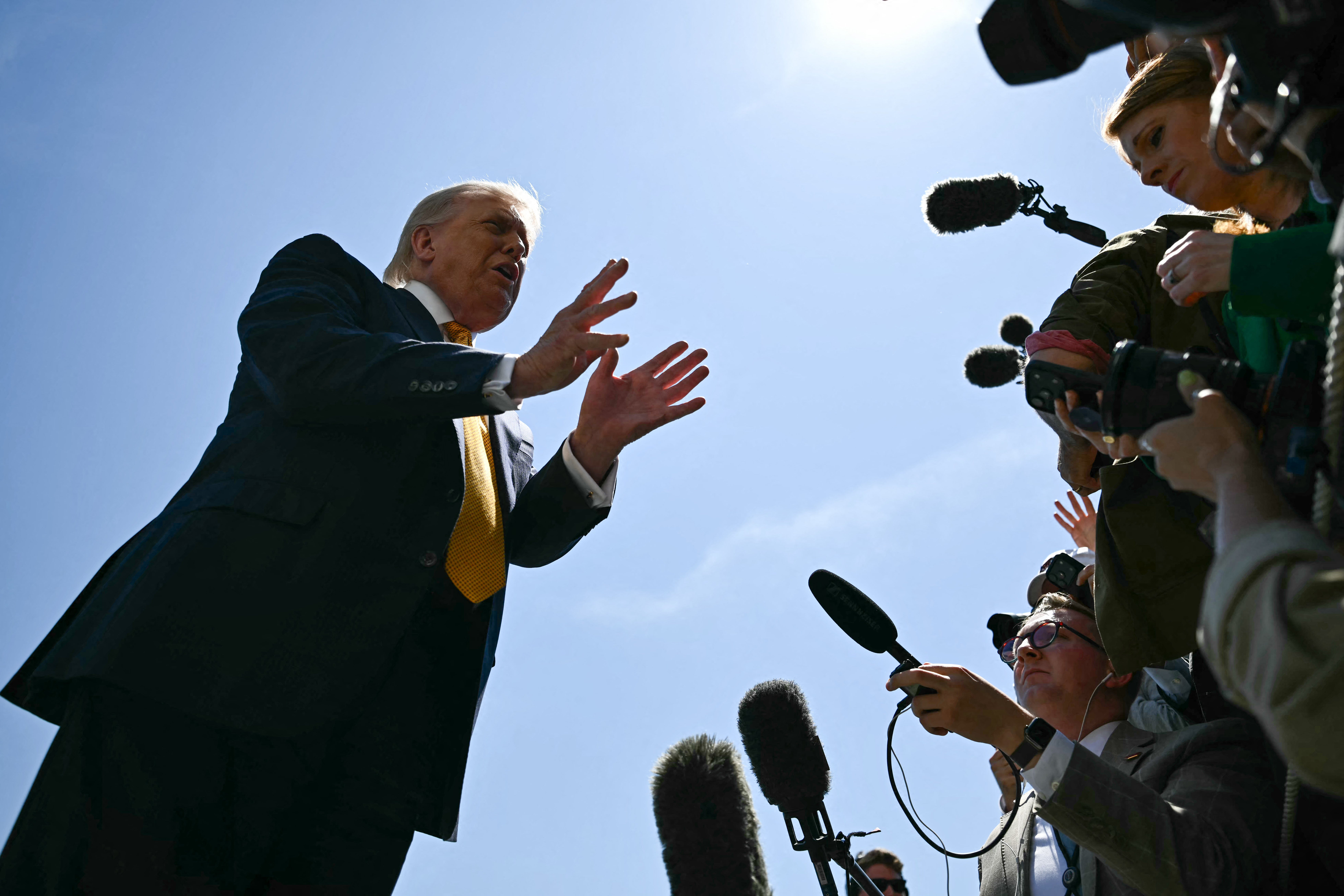
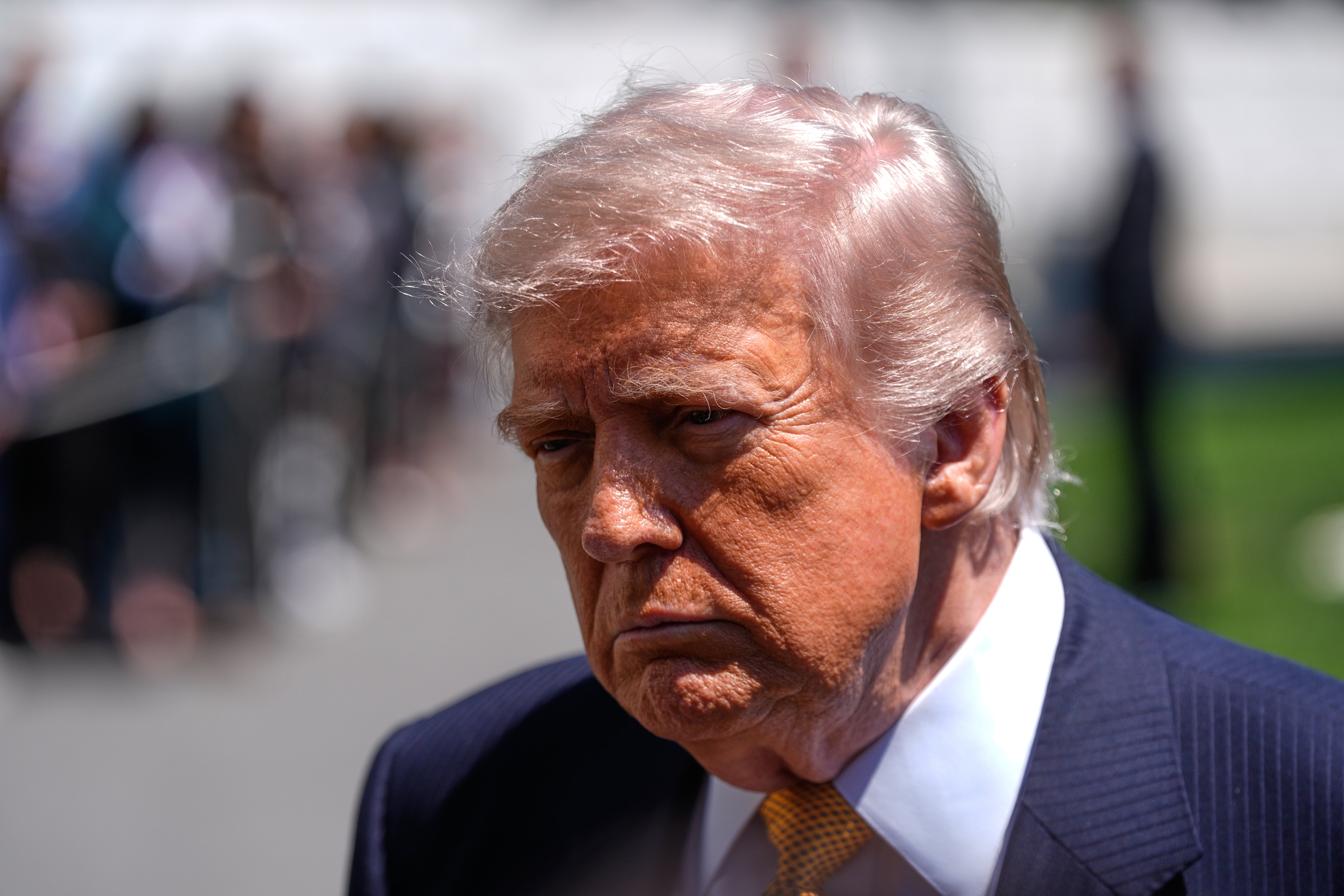 President Donald Trump speaks to reporters as he leaves the White House for travel to Beijing (AP)
independent.co.uk
President Donald Trump speaks to reporters as he leaves the White House for travel to Beijing (AP)
independent.co.uk
 (AFP/Getty)
AFP/Getty
(AFP/Getty)
AFP/Getty
 (AFP/Getty)
AFP/Getty
(AFP/Getty)
AFP/Getty
President Donald Trump will travel to China this week for a summit with Xi Jinping, and Reuters reports that more than a dozen top US executives are expected to join the delegation. Among those named are Elon Musk of Tesla and SpaceX and Apple chief Tim Cook, alongside leaders from major finance, manufacturing, and payments firms. China’s state news agency Xinhua said the visit will run from May 13 to May 15.
The guest list is a map of where US-China ties still function when formal diplomacy stalls: aircraft sales, chips, capital markets, consumer electronics, and the plumbing of global payments. According to Reuters, the trip is meant to unlock trade deals and purchase agreements, with talks likely to cover artificial intelligence, export controls, Taiwan, and the war in Iran. That last item has become a practical economic issue as well as a strategic one, because China is Iran’s biggest oil buyer and Trump has publicly urged Beijing to help reopen the Strait of Hormuz.
The Independent notes that this is the first US presidential visit to China in almost a decade and that expectations for a sweeping new trade deal are limited by thin preparation. Analysts cited by the paper frame the summit as an attempt to extend an earlier truce that paused parts of the trade war rather than produce a reset. Even so, the agenda is crowded with bottlenecks that do not wait for communiqués: the US wants access to critical minerals; China dominates rare earth refining and holds major positions in processing and production of other inputs used in chips, telecoms equipment, and military hardware.
Bringing corporate chiefs into the room changes the incentives on both sides. For Washington, executives can promise purchases, investment, and supply-chain commitments that governments struggle to deliver quickly; for Beijing, they are also a channel to signal what will be rewarded or punished in market access. The same mechanism cuts the other way: export controls and sanctions are no longer abstract tools when the people affected are sitting behind the president on a state visit. Reuters reports that companies involved did not immediately respond to requests for comment, a reminder that even when CEOs travel, they do not control the policy that can strand their own products.
The trip also shows how the Iran war is being routed into unrelated negotiations. When oil flows through Hormuz are disrupted, the cost lands on importers, airlines, and manufacturers long before it lands on generals. A summit nominally about tariffs and technology is now also a discussion about shipping lanes and energy prices.
In Beijing, the photo will be of two heads of state. The working document will be the list of executives on the plane.