
Cuba stages AI Fidel Castro on May Day
El País reports hunger and job-linked parade pressure in Havana, political theatre expands as fuel scarcity bites
Images
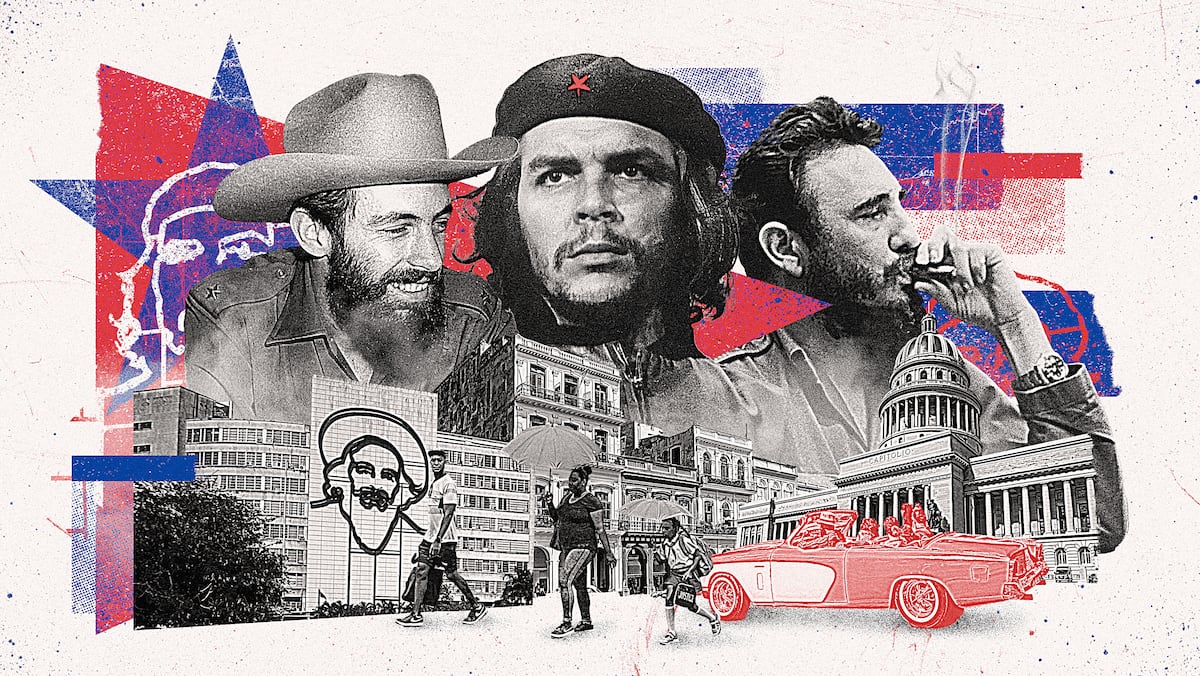 Dying for the Revolution: Cuba asks its people to sacrifice themselves, but the population is ‘hungry and disgruntled’
english.elpais.com
Dying for the Revolution: Cuba asks its people to sacrifice themselves, but the population is ‘hungry and disgruntled’
english.elpais.com
Cuba’s May Day turnout was counted in the hundreds of thousands by state media, but the reporting from Havana describes a city split between choreographed columns and empty streets. According to El País, workers were told that skipping the annual march could cost them pay, their job, or at least their supervisor’s favour, as crowds moved toward the José Martí Anti-Imperialist Platform opposite the US embassy.
The platform itself was built on Fidel Castro’s orders to stage confrontation at a fixed address, and this year the government added a new prop: an artificial-intelligence screen that lets people pose with a virtual Castro, complete with a recorded greeting and slogans. El País reports that President Miguel Díaz-Canel and attendees took photos with the AI version of the late leader, while banners and portraits recycled the revolutionary canon. In the same crowd, marchers carried Palestinian flags and a sign demanding the release of Venezuela’s Nicolás Maduro from a New York jail, tying Cuba’s domestic mobilisation to a wider anti-US narrative.
Away from the cameras, the article’s interviews sketch the mechanics of compliance in a system where the state is the main employer and the main gatekeeper. One epidemiologist, identified only as Irma, says she planned to stay home because she is starving and needs to conserve energy. A taxi driver describes paying hospital staff to obtain antibiotics for his daughter, an everyday transaction that turns public services into a rationed market run by insiders. When shortages become routine, the government’s mass events function less as celebration than as a census of who still depends on the payroll.
The timing matters because Cuba’s economic crisis is no longer a temporary dip that can be bridged with slogans. Fuel scarcity has already reshaped daily life and tourism, and previous reporting in this section has tracked Washington tightening pressure through seizures and embargo-style measures while US planners talk openly about military contingencies. In that environment, the regime’s survival strategy is to convert hardship into proof of loyalty: sacrifice is not just demanded, it is staged, photographed, and archived.
El País’s account suggests that the state is trying to solve an energy and legitimacy problem with theatre that costs less than reform. A screen that simulates Fidel Castro can be deployed without importing fuel, paying wages, or loosening controls; it also keeps the political story fixed on an external enemy rather than on empty pharmacies.
On May Day, some Havanans marched toward the embassy platform before dawn. Others stayed home in the dark, and the government’s newest leader on the street was a digital reconstruction of the old one.