
UAE covert strike on Iran widens Hormuz war calculus
UK sends HMS Dragon and Typhoon jets to shipping mission, Gulf states discover neutrality still has coordinates
Images
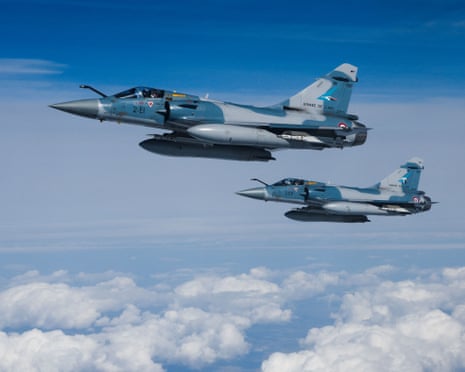 Mirage fighter jets of the type used by UAE have allegedly flown operations in Iran. Photograph: Benoît Tessier/Reuters
theguardian.com
Mirage fighter jets of the type used by UAE have allegedly flown operations in Iran. Photograph: Benoît Tessier/Reuters
theguardian.com
 Getty
Getty
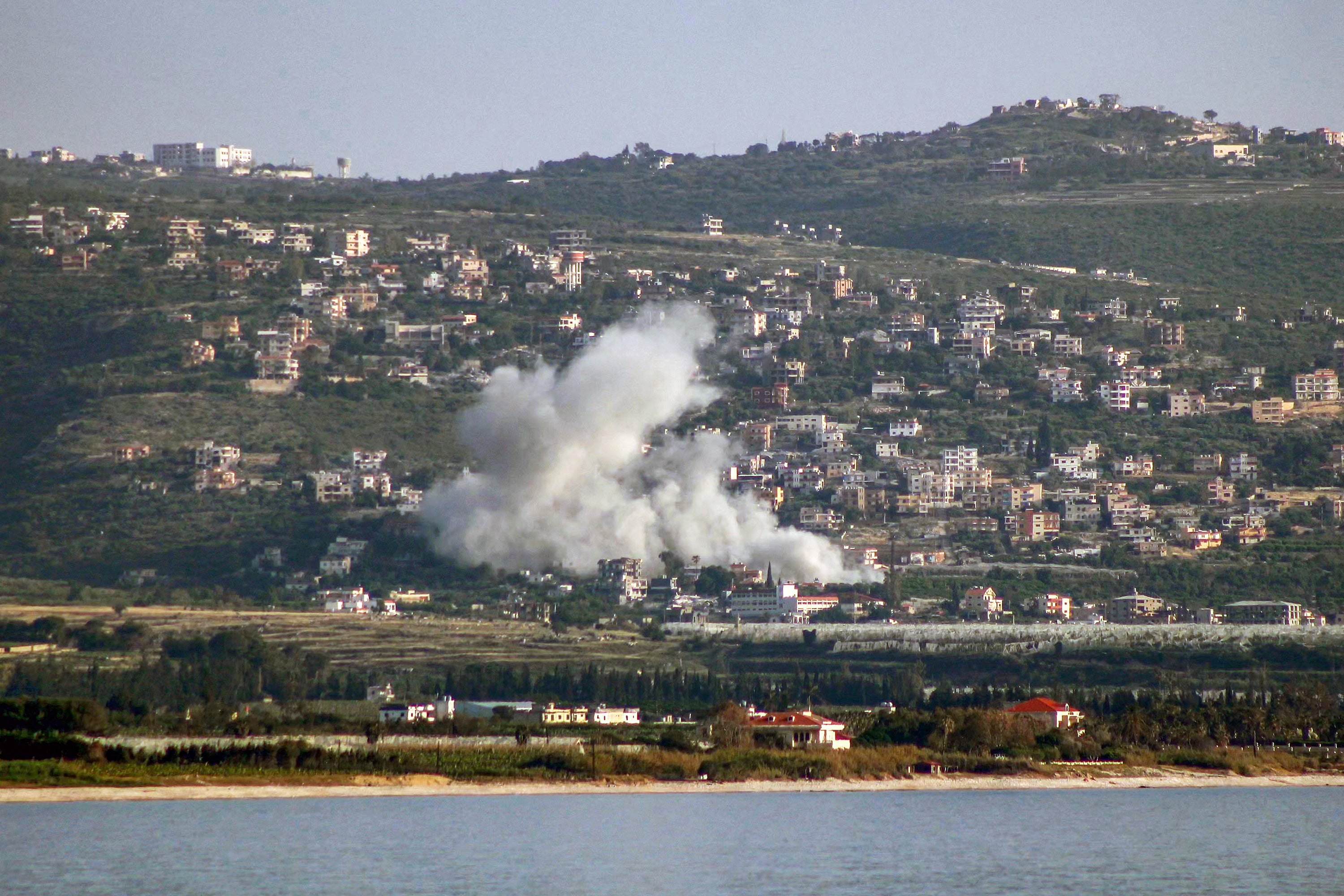 Smoke rises following Israeli bombardment on the village of Mansouri as seen from nearby Tyre in southern Lebanon on May 12, 2026. (AFP/Getty)
AFP/Getty
Smoke rises following Israeli bombardment on the village of Mansouri as seen from nearby Tyre in southern Lebanon on May 12, 2026. (AFP/Getty)
AFP/Getty
 independent.co.uk
 (AFP/Getty)
AFP/Getty
(AFP/Getty)
AFP/Getty
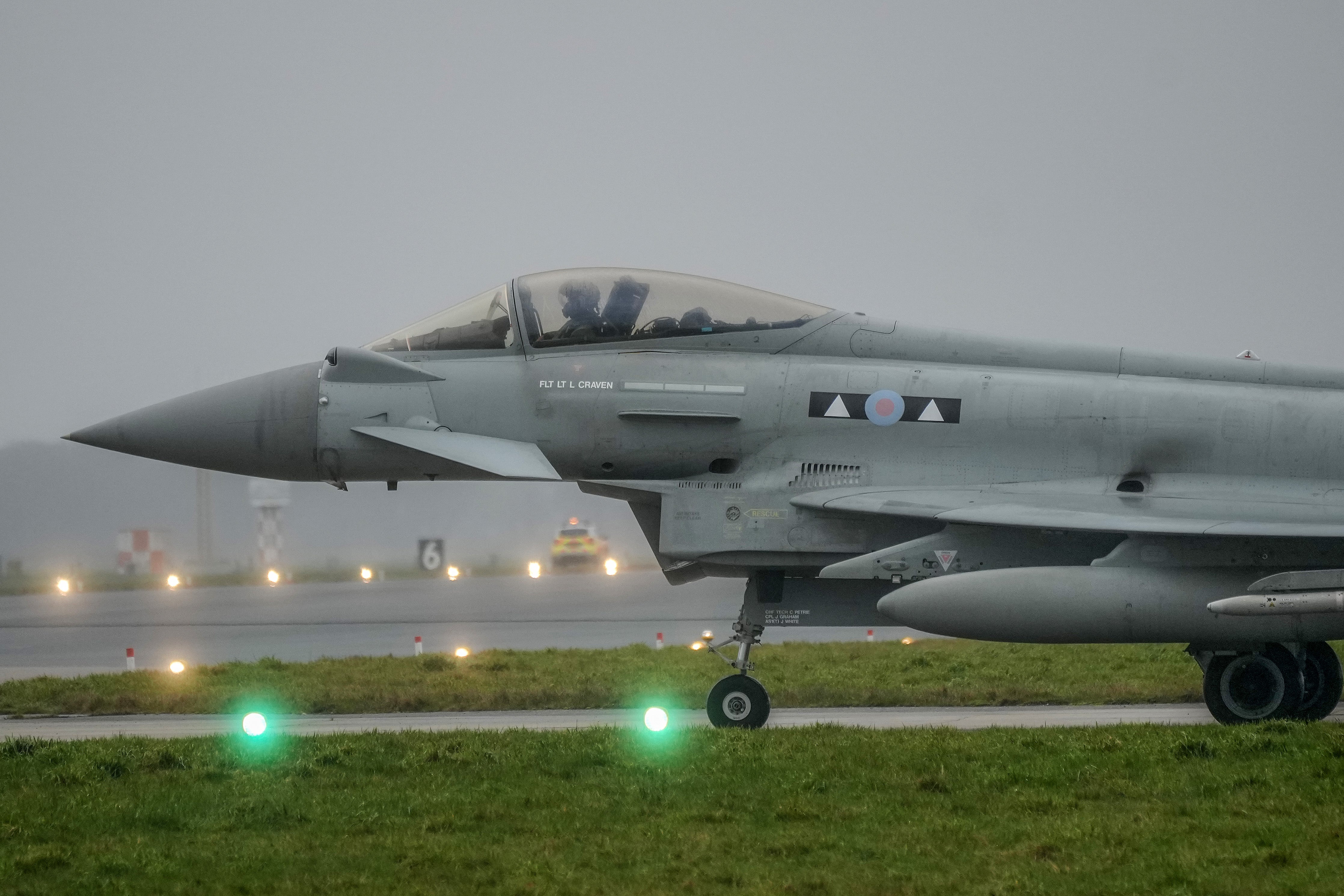 British Eurofigher Typhoon Fighter Aircraft Fly From RAF Coningsby (Getty)
Getty
British Eurofigher Typhoon Fighter Aircraft Fly From RAF Coningsby (Getty)
Getty
UAE covert strike on Iran widens Hormuz war calculus, UK readies drones jets and warship for shipping mission, Gulf partners weigh reprisals while blockade costs mount
A reported UAE air strike on Iranian targets just before an April ceasefire has added a new layer of risk to the standoff around the Strait of Hormuz, where shipping security has become the conflict’s daily scoreboard. The Guardian reports that the UAE carried out a major attack in Iran during the earlier fighting, including a strike on Lazan Island shortly before the ceasefire was announced. Separately, The Independent reports that the UK will contribute drones, Typhoon fighter jets, autonomous mine-hunting equipment and the warship HMS Dragon to a multinational defensive mission intended to secure passage through the strait.
The immediate problem is not simply military escalation but attribution and retaliation: a ceasefire that holds on paper can still be used to settle accounts once the next incident provides cover. According to the Guardian, Iran has accused the UAE and Kuwait of involvement in attacks during the conflict, and Tehran believes some Gulf states allowed their airspace or US bases to be used by American forces. That turns what Gulf governments present as passive hosting arrangements into potential targets, especially when Iran frames its pressure on Hormuz as “retaliation” for US strikes rather than a stand-alone act of piracy.
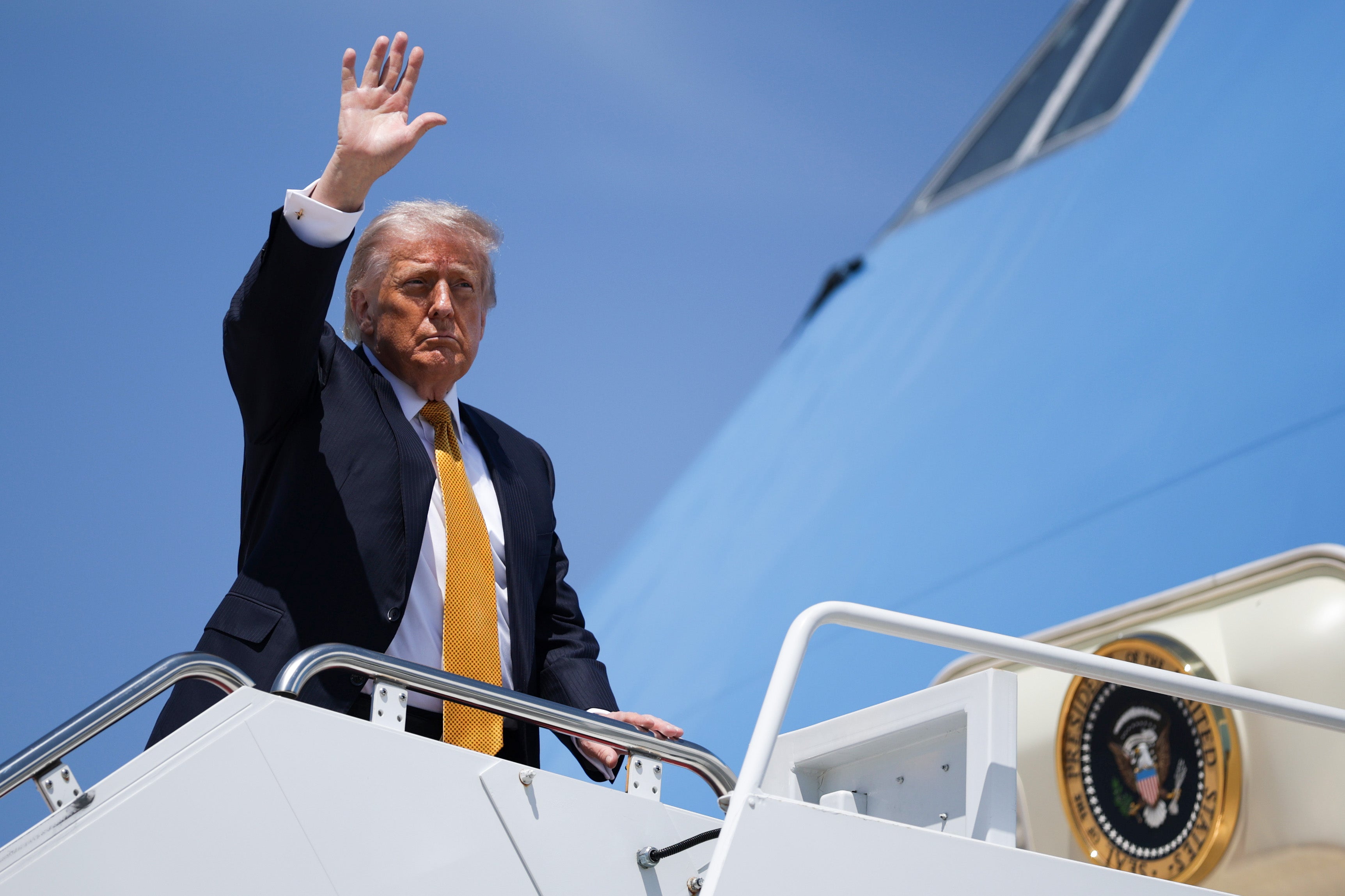
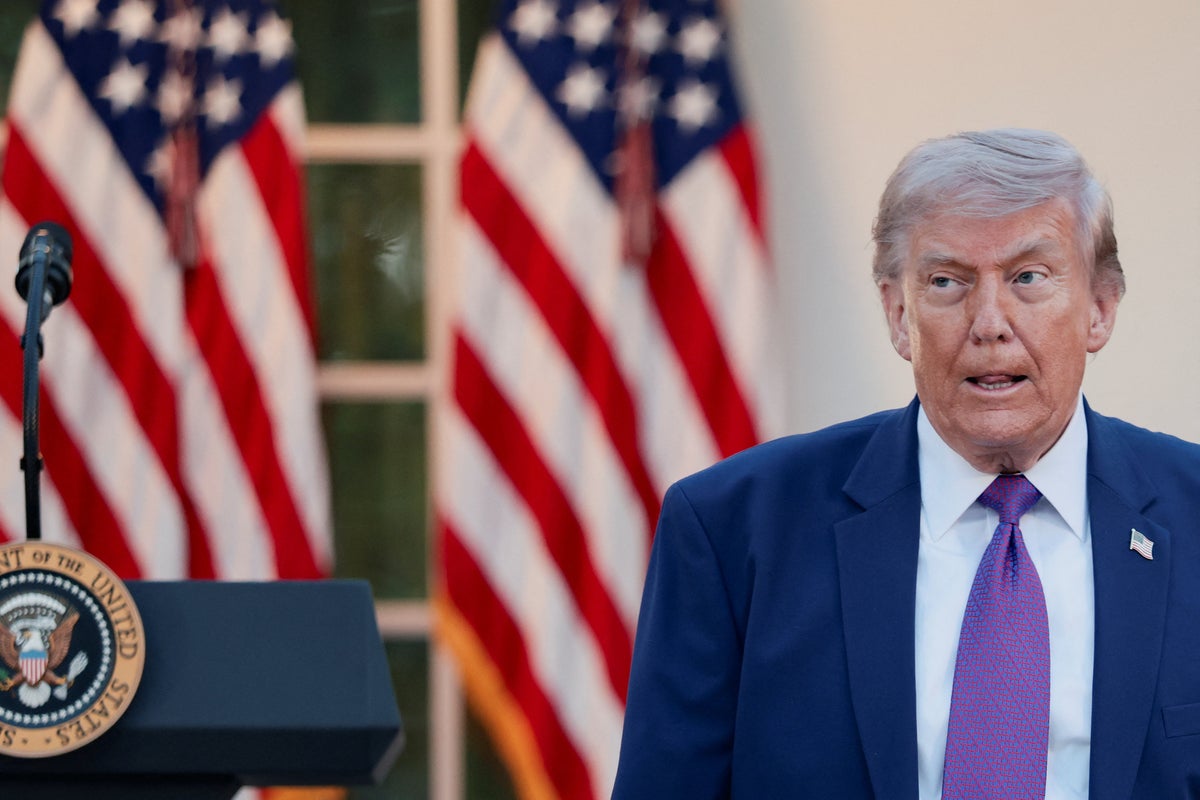
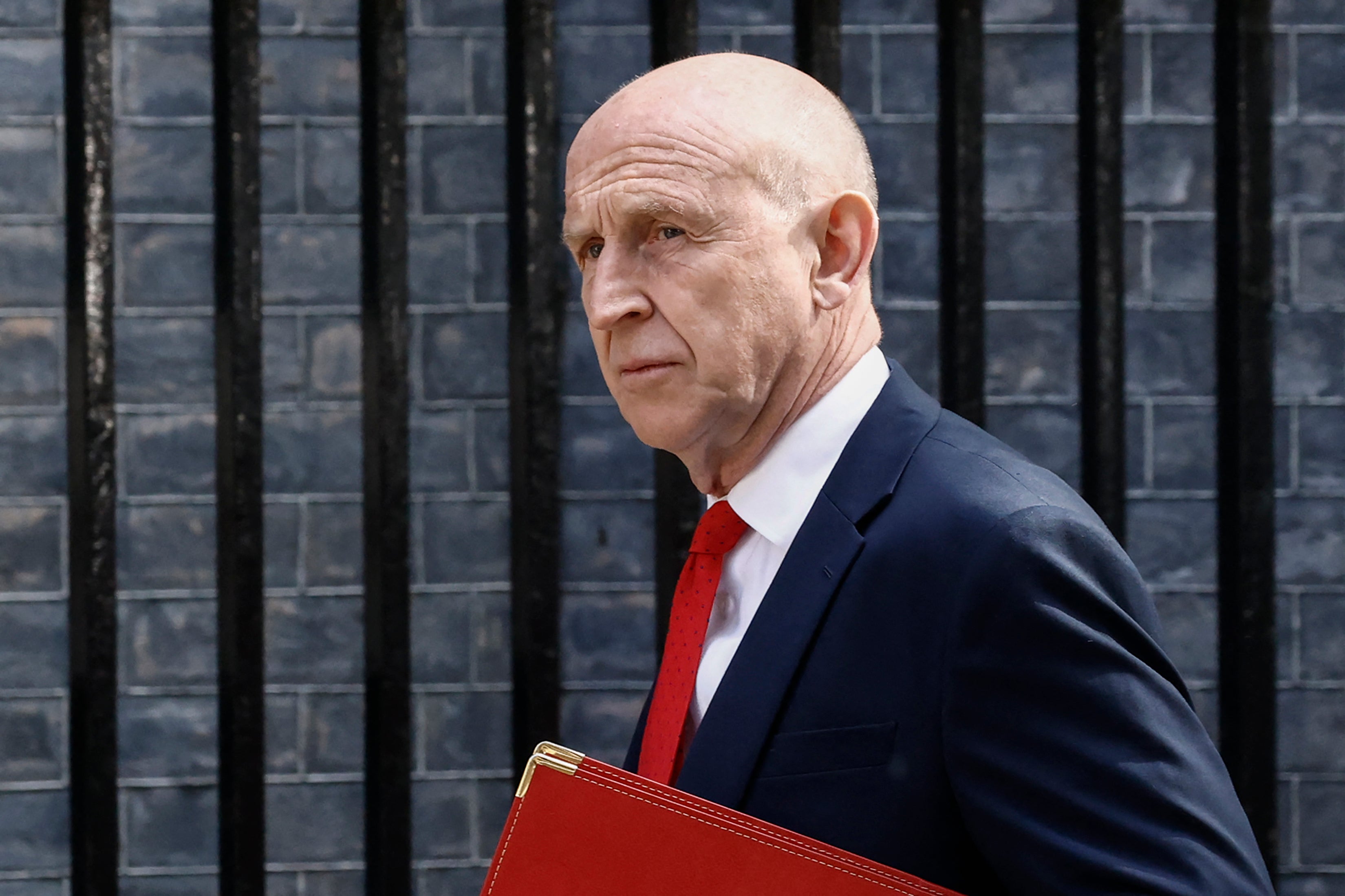
The UK contribution illustrates how quickly “protecting trade” becomes a standing force posture. The Independent cites UK Defence Minister John Healey saying the mission will become operational “when conditions allow”, language that can stretch from days to months as the political cost of withdrawing grows. The same article reports Iranian threats to enrich uranium to weapons-grade purity if attacked again, while CNN sources said Donald Trump is considering reopening the conflict with diplomacy at an impasse—an incentive for Tehran to keep the strait’s risk premium alive without firing the first obvious shot.
Inside the Gulf, the reported UAE strike exposes diverging appetites for escalation. The Guardian describes divisions between Saudi Arabia and the UAE about whether to move from air defence to reprisals, and quotes a former Saudi ambassador to the US, Turki al-Faisal, warning that a Saudi-Iran war would devastate oil facilities, desalination plants and even the hajj pilgrimage. Those are not abstract vulnerabilities: they are fixed sites that cannot be relocated, and they make “restraint” a material strategy rather than a slogan.
Meanwhile, the bill for keeping the region’s sea lanes open continues to rise. The Guardian reports the Pentagon has put the cost of the war with Iran at nearly $29 billion, up by about $4 billion in two weeks, as European forces are drawn into protecting Gulf partners that insist they want to stay out.
The UK is now assigning a destroyer, aircraft and mine-hunting systems to a strait where the most consequential moves may be the ones governments prefer not to acknowledge.