
Trump calls US-Iran ceasefire on life support
Iran rejects Hormuz reopening without sanctions relief and sovereignty terms, oil price and insurance costs become the daily referendum
Images
 Trump says Iran ceasefire is on 'massive life support'
bbc.com
Trump says Iran ceasefire is on 'massive life support'
bbc.com
 Donald Trump’s latest comments came after oil prices jumped again when Iran said there would be no further talks about ending the blockade unless he accepted its terms. Photograph: Kent Nishimura/AFP/Getty Images
theguardian.com
Donald Trump’s latest comments came after oil prices jumped again when Iran said there would be no further talks about ending the blockade unless he accepted its terms. Photograph: Kent Nishimura/AFP/Getty Images
theguardian.com
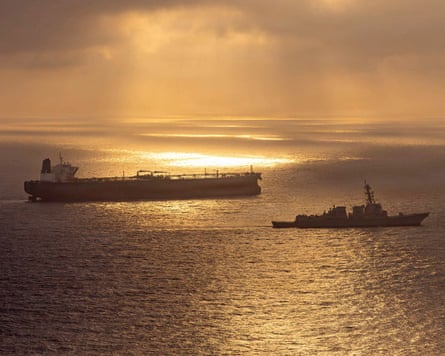 A US destroyer implements a maritime blockade against an Iran-flagged crude oil tanker last month. Photograph: US NAVY/AFP/Getty Images
theguardian.com
A US destroyer implements a maritime blockade against an Iran-flagged crude oil tanker last month. Photograph: US NAVY/AFP/Getty Images
theguardian.com
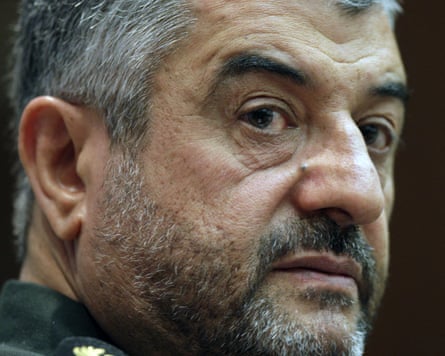 Maj Gen Mohammad Ali Jafari, a former commander of the Islamic Revolutionary Guard Corps. Photograph: Vahid Salemi/AP
theguardian.com
Maj Gen Mohammad Ali Jafari, a former commander of the Islamic Revolutionary Guard Corps. Photograph: Vahid Salemi/AP
theguardian.com
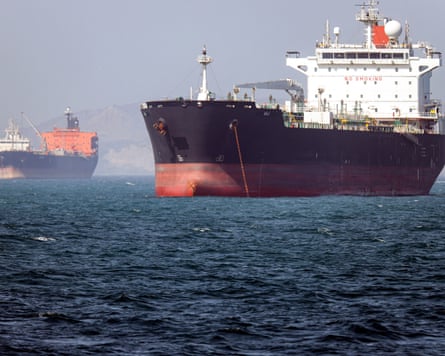 Almost 1,500 tankers and 20,000 seafarers are stranded in the Gulf, the International Maritime Organization estimates. Photograph: Amirhossein Khorgooei/ISNA/AFP/Getty Images
theguardian.com
Almost 1,500 tankers and 20,000 seafarers are stranded in the Gulf, the International Maritime Organization estimates. Photograph: Amirhossein Khorgooei/ISNA/AFP/Getty Images
theguardian.com
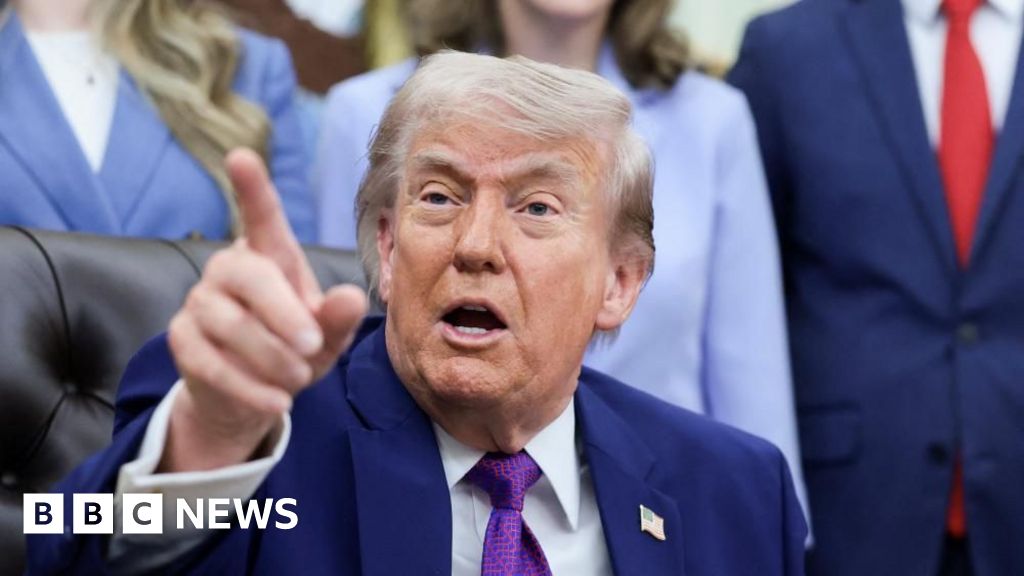
Donald Trump said the month-long ceasefire between the US and Iran is on “massive life support”, describing it from the Oval Office as “unbelievably weak” even as it technically remains in force, according to the BBC. The remarks came after Iran delivered a counter-offer to Washington on Sunday that it framed as a package to end the war and reopen the Strait of Hormuz. Trump rejected the proposal publicly, calling it “totally unacceptable” and saying he did not finish reading it.
The dispute is now less about a single document than about who pays to make the shipping lane function again. Iran’s counter-offer, as described by the BBC, demands an end to the war “on all fronts”, a halt to the US naval blockade of Iranian ports, guarantees against further attacks, and compensation for war damage, while stressing Iranian sovereignty over Hormuz. The Guardian reports that Iranian figures have also talked about conditions including sanctions relief, release of blocked funds, and recognition of Iranian control over the strait; it adds that an Iranian parliament member floated the idea of new transit fees that could raise substantial annual revenue. In practice, each extra day of uncertainty pushes costs onto shipowners, insurers and ultimately consumers, while giving both governments a visible scoreboard: oil prices and traffic through a chokepoint.
Washington has treated the strait as a pressure point, enforcing a blockade of Iranian ports while seeking a return to “free transit” through Hormuz, a route that normally carries about a fifth of global oil and liquefied natural gas, the BBC notes. Tehran, meanwhile, can tighten or loosen the blockage without formally “ending” a ceasefire, turning maritime risk into a negotiating tool that does not require capturing territory. The Guardian reports Trump is considering restarting US naval escorts through the strait after having called off a previous escort plan after a short period, and describes resistance from Saudi Arabia to supporting the operation with airspace or bases. That kind of regional reluctance matters because escorts are expensive, politically exposed, and only as credible as the logistics behind them.
The nuclear file remains the headline demand but the bargaining is happening in the plumbing: what happens to enriched uranium, what “guarantees” mean in practice, and what relief is delivered upfront versus “contingent” on a final agreement. The BBC cites Axios reporting that an initial US memorandum included suspension of Iranian enrichment, sanctions relief, and restored free transit, with many terms dependent on a final deal. Iran’s Tasnim news agency, the BBC adds, cited a source close to the negotiating team denying that Tehran had agreed to remove enriched material—while Israel’s Benjamin Netanyahu has said Iran’s stockpile must be “taken out” and enrichment sites dismantled before the war can be considered over.
Oil prices rose again as the deadlock continued, with the Guardian reporting prices above $105 a barrel. For now, the ceasefire is being measured less in diplomatic communiqués than in whether tankers can move without escorts and whether insurers price the Gulf as a normal trade route.
Trump compared the ceasefire to a patient with a 1% chance of living, the BBC reports. Iran’s parliamentary speaker replied on social media that the armed forces were ready to “teach a lesson” for any aggression.