
Putin floats Gerhard Schröder as Ukraine peace intermediary
European officials question impartiality given Nord Stream and Rosneft ties, ceasefire window fills with messaging and corruption crossfire
Images
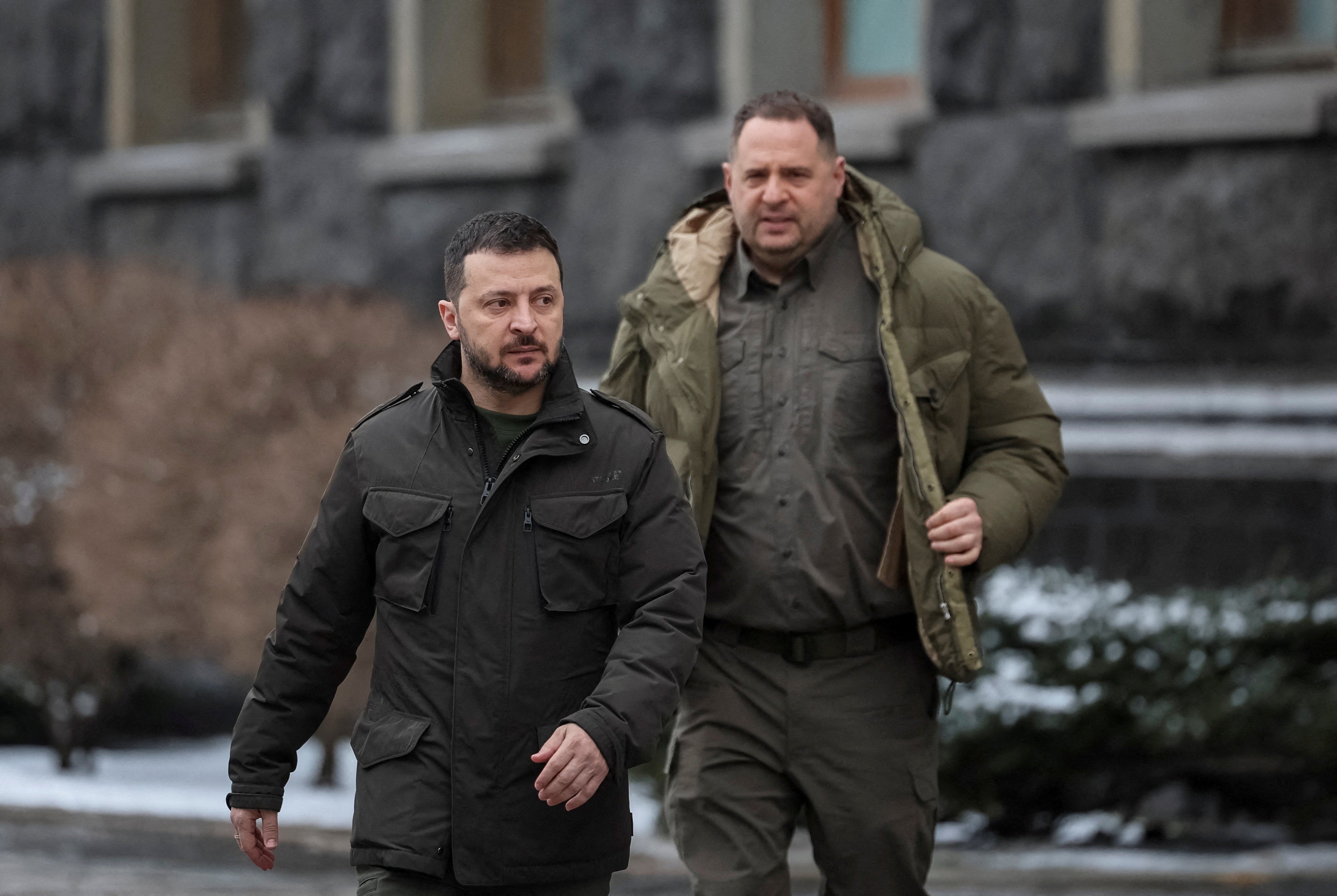 Ukraine's president Volodymyr Zelensky and Head of the Presidential Office Andriy Yermak walk in Kyiv (Reuters)
Reuters
Ukraine's president Volodymyr Zelensky and Head of the Presidential Office Andriy Yermak walk in Kyiv (Reuters)
Reuters
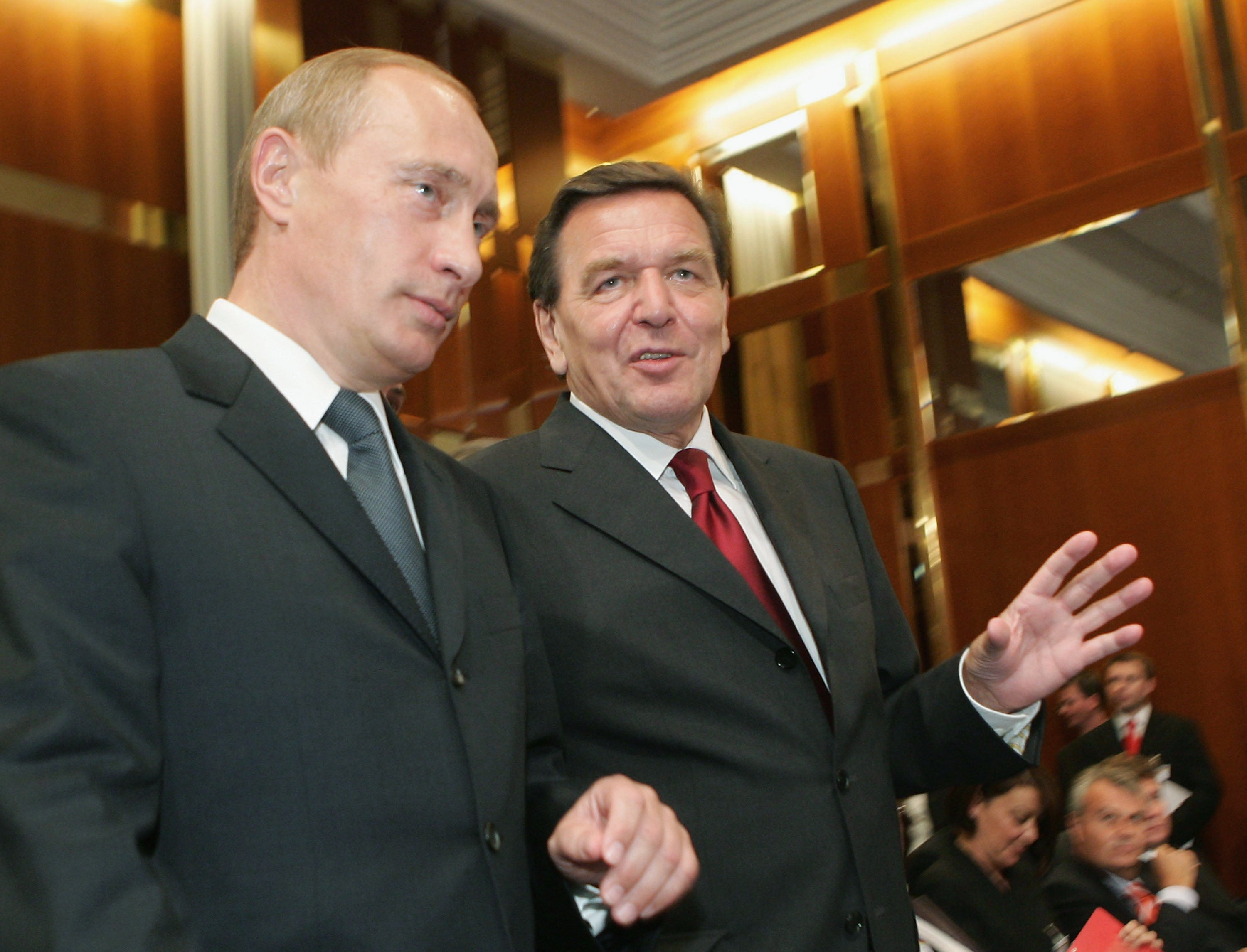 Gerhard Schroeder arrives for a news conference with Vladimir Putin in 2005 (Getty)
Getty
Gerhard Schroeder arrives for a news conference with Vladimir Putin in 2005 (Getty)
Getty
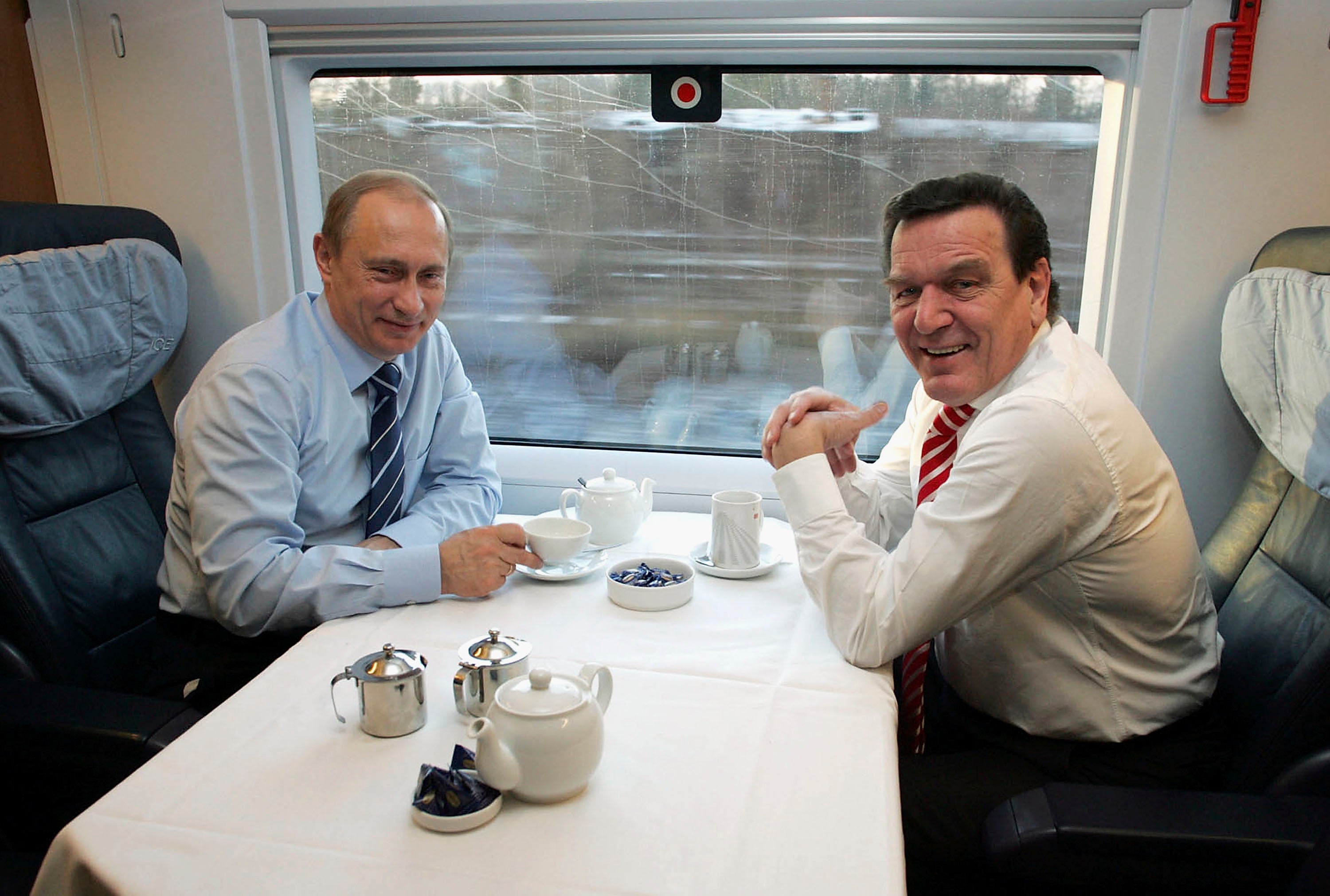 The Russian president and German chancellor Gerhard Schroeder travel on a high-speed train in 2004 (Getty)
Getty
The Russian president and German chancellor Gerhard Schroeder travel on a high-speed train in 2004 (Getty)
Getty
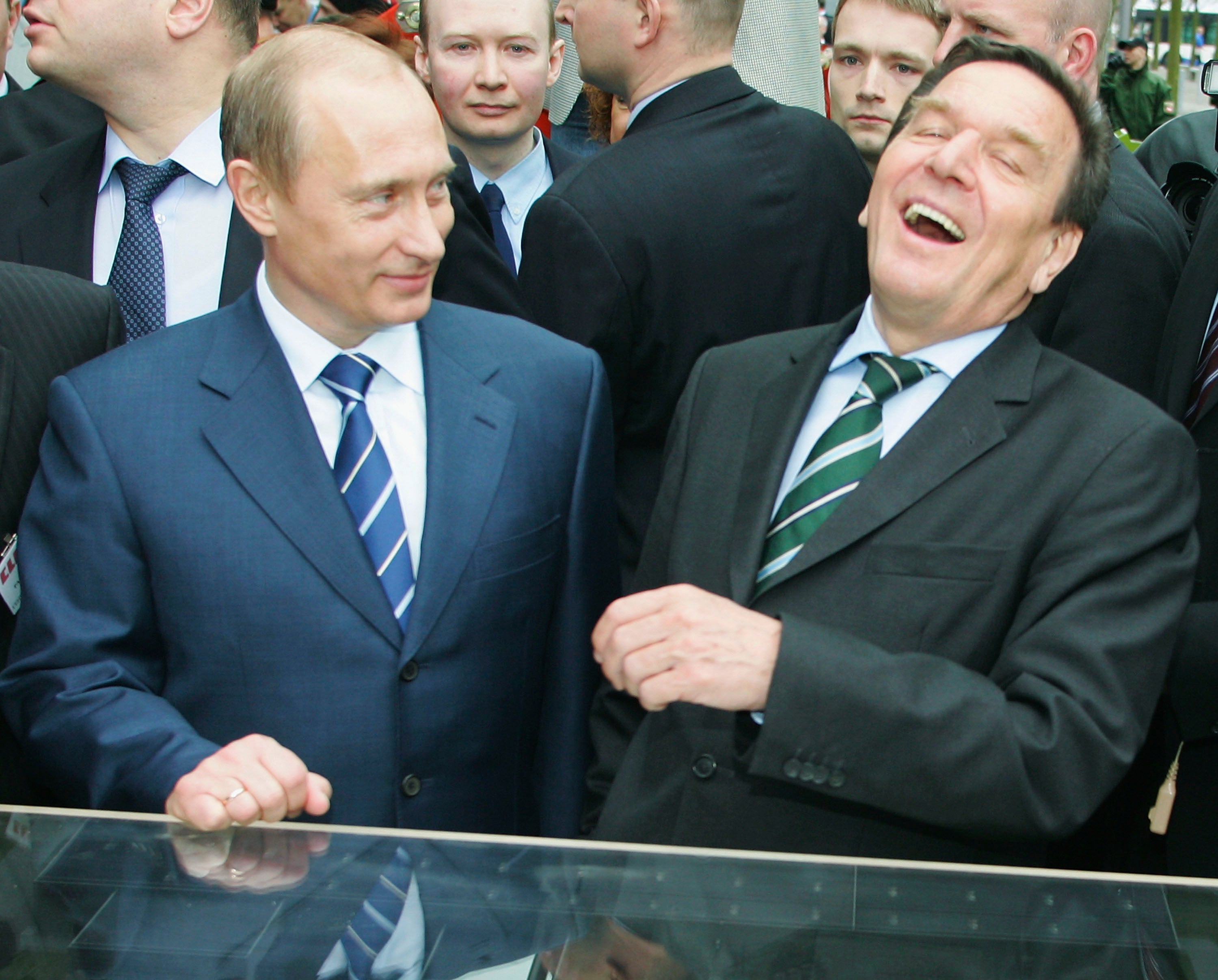 Putin and Schroeder at the opening of the Hanover Fair in 2005 (Getty)
Getty
Putin and Schroeder at the opening of the Hanover Fair in 2005 (Getty)
Getty
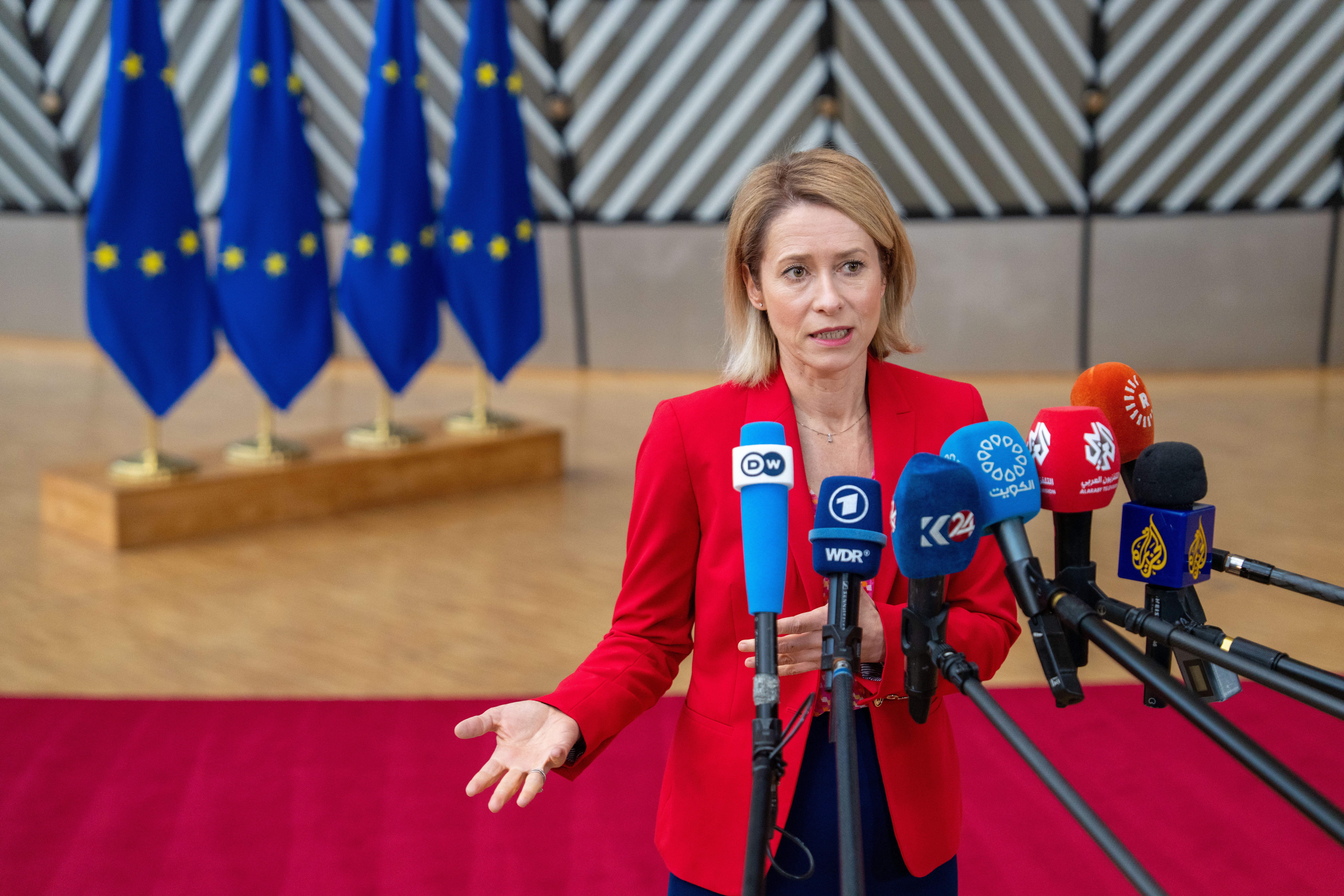 Kaja Kallas speaks with the media as she arrives for a meeting of EU foreign ministers at the European Council building in Brussels on Monday (AP)
independent.co.uk
Kaja Kallas speaks with the media as she arrives for a meeting of EU foreign ministers at the European Council building in Brussels on Monday (AP)
independent.co.uk
Vladimir Putin has suggested the war in Ukraine is nearing its end and floated former German chancellor Gerhard Schröder as a preferred intermediary for talks with Europe. Ukraine’s president Volodymyr Zelenskyy, speaking during a ceasefire period tied to Russia’s Victory Day anniversary, said there was “no silence” on the front line and that Russia had no intention of ending the war, according to The Independent.
Putin’s proposal lands in a Europe where the credibility of messengers has become part of the battlefield. Schröder is not simply a retired politician with a Rolodex; he is a former head of government who worked on major Russian energy projects including the Nord Stream gas pipelines and held a board role at Russian oil company Rosneft, the Independent reports. That history is precisely why German and European figures immediately questioned whether he could be seen as an honest broker. Michael Roth, a former German lawmaker, said a mediator cannot be “Putin’s buddy” and argued Ukraine should decide who participates in any talks; Germany’s Europe minister, Gunther Krichbaum, said Schröder lacked the credentials for impartial mediation.
The episode also shows how ceasefires can function as messaging windows rather than operational pauses. Both Russia and Ukraine reported continued fighting and accused each other of drone and artillery strikes during the unilateral truce, while Zelenskyy said Ukraine was preparing for new attacks even as it sought peace. In the same news cycle, Ukraine’s foreign minister Andrii Sybiha spoke of an “airport ceasefire” as a possible starting point, a narrow proposal that reflects how hard it has become to even define what a workable first step would look like.
Alongside the diplomatic theatre, the Independent reports that Ukrainian authorities have named Zelenskyy’s former chief of staff Andriy Yermak as a suspect in a corruption probe involving alleged laundering through an elite housing development outside Kyiv, though the agencies did not name him and he has denied owning property in the development. That kind of allegation—whether it leads anywhere or not—adds another layer of bargaining material for opponents and another vulnerability for allies trying to sell continued support at home.
Putin is offering Europe a familiar face from the era when Russian energy ties were treated as pragmatism rather than a security risk. Europe’s immediate reaction was to argue about the messenger before any terms were even on the table.