
EU approves sanctions on Israeli settlers
Hungarian veto removal ends months of deadlock, legal drafting still separates announcement from enforcement
Images
 Israeli settlers set fire to two vehicles and a Bedouin tent south of Nablus in one attack last month
bbc.com
Israeli settlers set fire to two vehicles and a Bedouin tent south of Nablus in one attack last month
bbc.com
 Israeli settlers set fire to two vehicles and a Bedouin tent south of Nablus in one attack last month
bbc.com
Israeli settlers set fire to two vehicles and a Bedouin tent south of Nablus in one attack last month
bbc.com
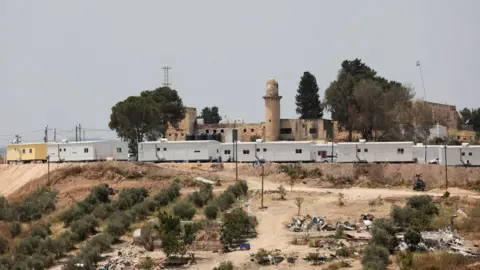 The Sa-Nur settlement has been recently reestablished on a hill south-west of Jenin
bbc.com
The Sa-Nur settlement has been recently reestablished on a hill south-west of Jenin
bbc.com
EU foreign ministers approve new sanctions targeting Israeli settlers and settler-linked organisations accused of West Bank violence, according to the BBC, ending a months-long block that had held up the package in Brussels.
EU officials told the BBC that seven settlers or settler organisations are to be sanctioned, with technical and legal work still required before the measures formally take effect. The decision comes as the UN reports a surge in settler attacks since the start of the Gaza war in October 2023, and after UN documentation of more than 1,800 settler attacks in 2025 that caused casualties or property damage across hundreds of West Bank communities.
The immediate change inside the EU is procedural rather than rhetorical. The BBC reports that a change of government in Hungary removed the obstacle that had delayed further sanctions, after Viktor Orbán’s administration repeatedly blocked moves against Israeli settlers. That matters because EU foreign policy sanctions require unanimity: a single capital can turn a shared position into a talking point. When the veto disappears, the EU can act quickly, but the action still arrives as a list of names and entities that must survive legal drafting and implementation.
The package also illustrates how Brussels tries to price behaviour without taking on the full burden of enforcement. Several member states have pushed to ban products from Israeli settlements, the BBC notes, but the EU has not reached consensus on that broader step. Sanctioning individuals and organisations is more targeted, easier to defend in court, and less disruptive to trade flows, but it also leaves the underlying settlement economy largely intact.
Israel’s foreign minister, Gideon Sa’ar, called the decision “arbitrary and political” and said Israel would continue to “stand for the right of Jews to settle in the heart of our homeland,” according to the BBC. The BBC also reports that Israeli media identified names expected to be on the list, including Daniella Weiss and organisations that promote, finance or support settlement activity, with one listed figure having previously been sanctioned by the US before being removed under Donald Trump.
The EU’s sanctions are still not yet in force. What is already concrete is that unanimity rules made Hungary’s position decisive—until it wasn’t.