
Hungary returns seized cash and gold to Ukraine
Shipment held since 2023 becomes post-Orbán confidence signal, pipeline dispute shadows the handover
Images
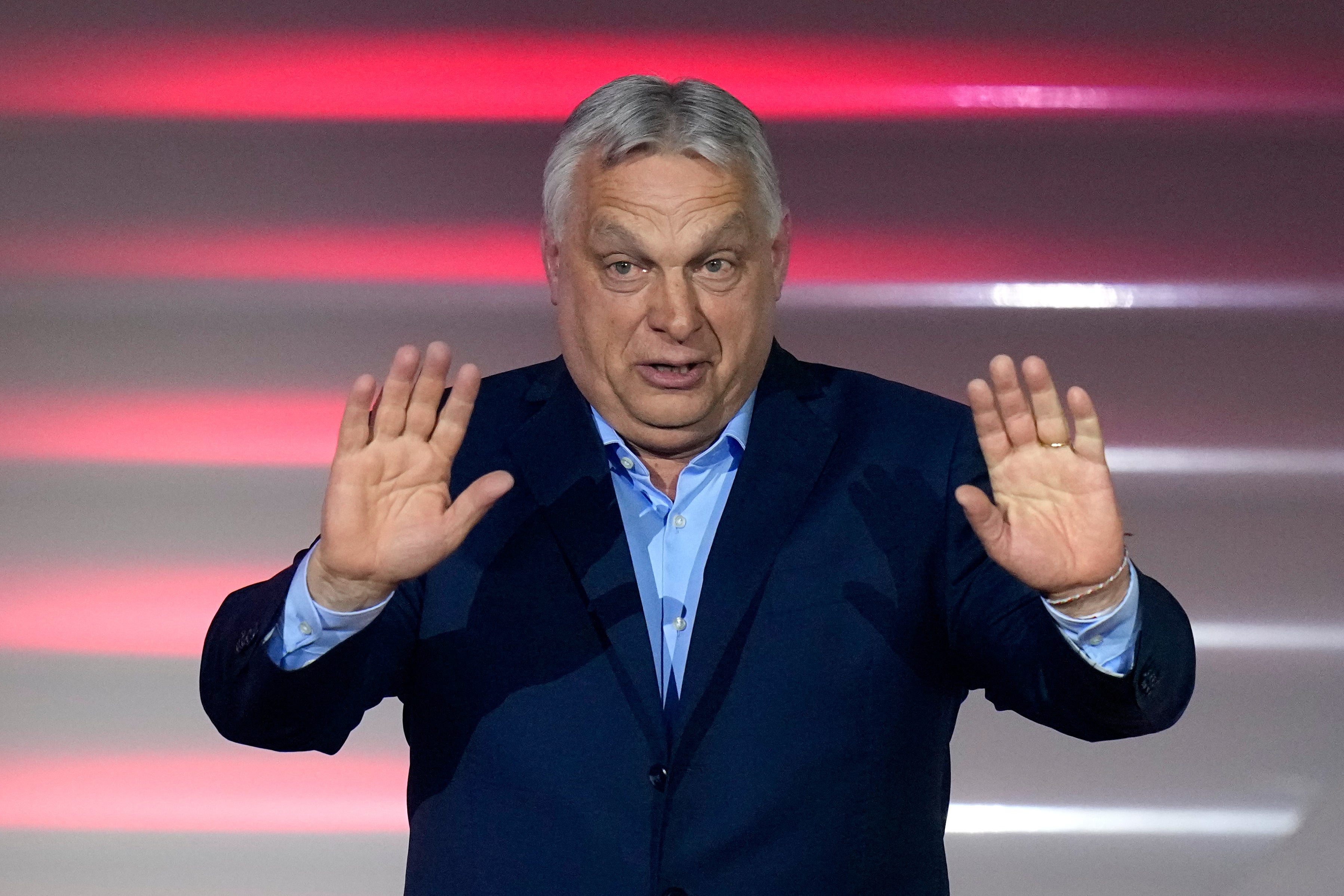 Viktor Orbán (AP)
independent.co.uk
Viktor Orbán (AP)
independent.co.uk
Ukraine has received a shipment of cash and gold that had been seized by Hungary in 2023, The Independent reports, in a handover Kyiv framed as a reset after Viktor Orbán’s election defeat. President Volodymyr Zelenskyy confirmed the return on social media, calling it an important step in relations with Budapest.
The valuables were destined for Ukraine’s state bank Oschadbank and were detained by Hungarian counter-terrorism authorities while being transported in armoured cars, according to the report. At the time, Hungarian authorities cited suspicions of money laundering, while Ukrainian officials described it as a routine transfer of assets between state banks. Ukrainian bank employees travelling with the shipment were held for more than a day and then expelled, The Independent says.
The timing matters because the seizure sat inside a broader pattern of leverage. Kyiv accused Orbán’s government of using the detention as part of an anti-Ukraine election campaign and as pressure in a dispute over Hungary’s access to Russian oil via a pipeline crossing Ukrainian territory. The Independent reports that Ukraine said Budapest was effectively blackmailing it to restore interrupted Russian oil shipments through the Druzhba pipeline.
Now the assets are moving again, and so is Hungary’s posture. The return followed Orbán’s landslide defeat and the formation of a new government led by Péter Magyar’s Tisza party, which won a two-thirds majority in parliament, according to the report. The Independent adds that after Russian oil flows resumed following Orbán’s defeat, Hungary lifted its veto on a major EU loan to Ukraine.
For Brussels, the episode is a case study in how national governments can convert technical controls — customs, counter-terror policing powers, tax investigations — into foreign-policy tools without formally declaring them as such. For Kyiv, it is a reminder that even state-to-state financial transfers can be rerouted into domestic politics once they cross a border.
The shipment that was once held under investigation has now been delivered, and the public explanation has shifted from suspected laundering to “constructive approach” in a single election cycle.