
South Korea says HMM Namu was hit by unidentified objects in Strait of Hormuz
Foreign ministry rules out internal causes after earlier blast and fire, US escort push meets a shipping lane run on permissions
Images
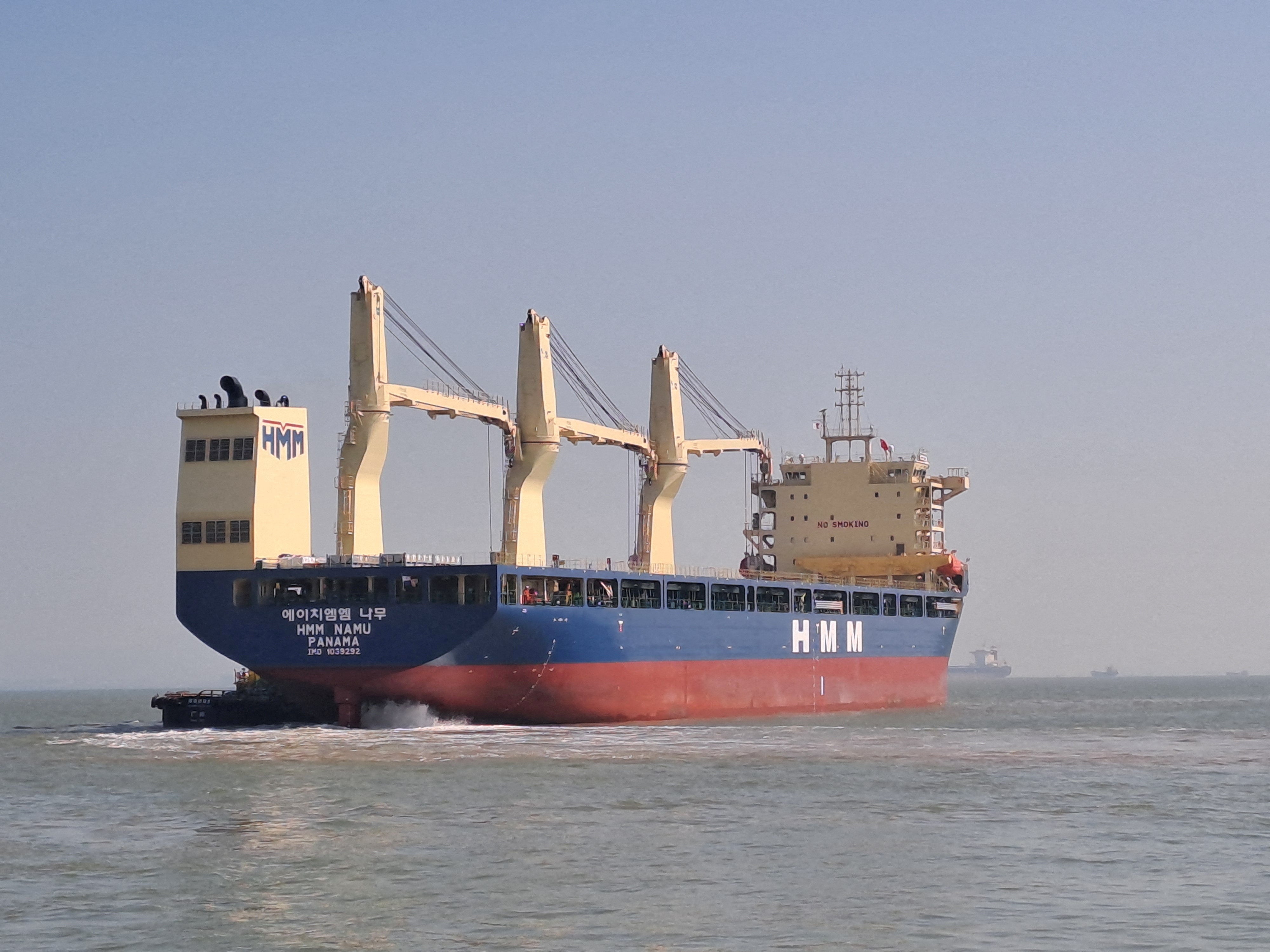 Seoul reported a blast and fire aboard the same vessel - the HMM Namu- in the strait, while anchored near the United Arab Emirates (Reuters)
Reuters
Seoul reported a blast and fire aboard the same vessel - the HMM Namu- in the strait, while anchored near the United Arab Emirates (Reuters)
Reuters
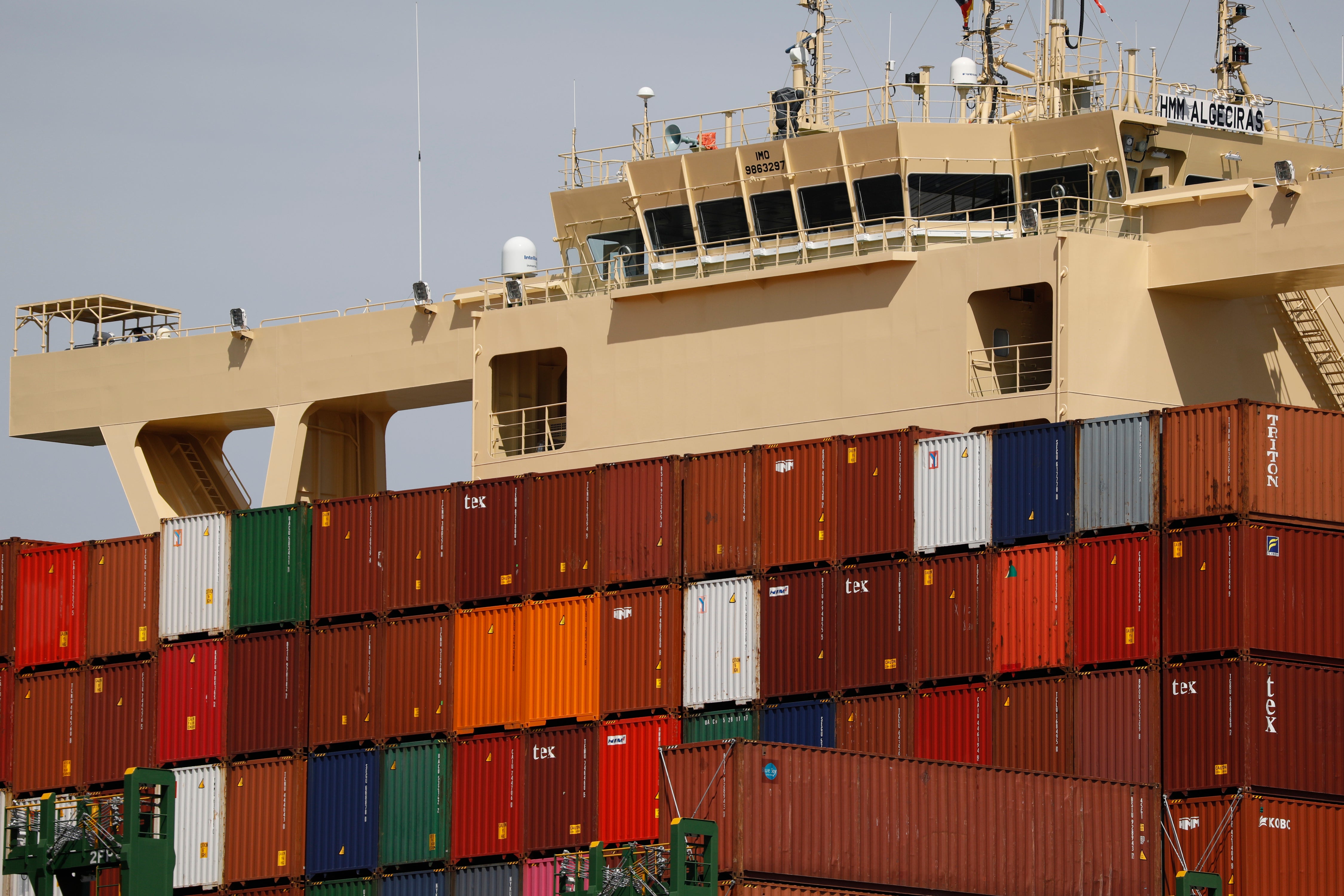 Seoul was investigating the incident, and the vessel was towed to a port in Dubai after the blaze on Monday, while an on-site inspection was conducted (Getty)
Getty
Seoul was investigating the incident, and the vessel was towed to a port in Dubai after the blaze on Monday, while an on-site inspection was conducted (Getty)
Getty
A South Korean-operated bulk carrier in the Strait of Hormuz was struck in the stern by two “unidentified objects” while stranded in the waterway, according to the Independent, citing South Korea’s foreign ministry. The ship, the HMM Namu, had already been involved in a separate blast-and-fire incident in the same area a week earlier and was towed to a port in Dubai for inspection. US President Donald Trump said the earlier incident was caused by an Iranian attack, while Iran has denied responsibility.
The ministry’s account, as reported by the Independent, is notable less for what it concludes than for what it rules out. A spokesperson said the damage was unlikely to have been caused by a sea mine or by internal problems such as engine, generator, or boiler issues, and said the objects were captured on surveillance camera. That leaves South Korea in the position of describing an attack without naming an attacker—while still having to manage the commercial consequences that arrive immediately, through insurance pricing, charter rates and routing decisions.
For Seoul, the episode lands in the middle of a broader contest over who pays to keep Hormuz usable. The Independent reports that Washington is pressing South Korea to join a US-led escort mission; South Korea, heavily dependent on seaborne energy imports, has an obvious interest in safer passage but also a long history of avoiding open-ended security commitments in the Gulf that could spill into its relations with Iran. The same report notes that Iran sent a response to a US proposal to begin peace talks via mediator Pakistan, with few details disclosed—diplomacy that, even if genuine, does not stop ships from having to sail today.
The shipping lane itself has begun to function like a rationed utility. The Independent reports that a single QatarEnergy-operated LNG carrier was allowed to pass through the blockaded strait, the first Qatari LNG shipment to cross since the war began, with sources describing it as a confidence-building move approved by Iran. Selective passage offers a glimpse of how leverage is exercised: permissions can be granted case-by-case, while the wider market prices the risk as a baseline.
The HMM Namu was towed to Dubai after the earlier fire, and South Korea says it is contacting relevant countries including Iran. The ship’s operator declined to comment, leaving the ministry’s cautious phrasing to carry the story while cargo owners and insurers do their own arithmetic.