
Angela Rayner warns Labour faces last chance after local election losses
Deputy backs Andy Burnham return to Westminster, Starmer prepares speech as party argues over who it still represents
Images
 bbc.com
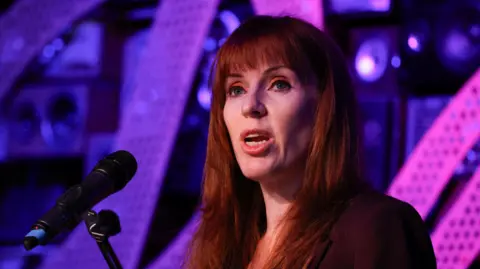 Reuters Angela Rayner
bbc.com
Reuters Angela Rayner
bbc.com
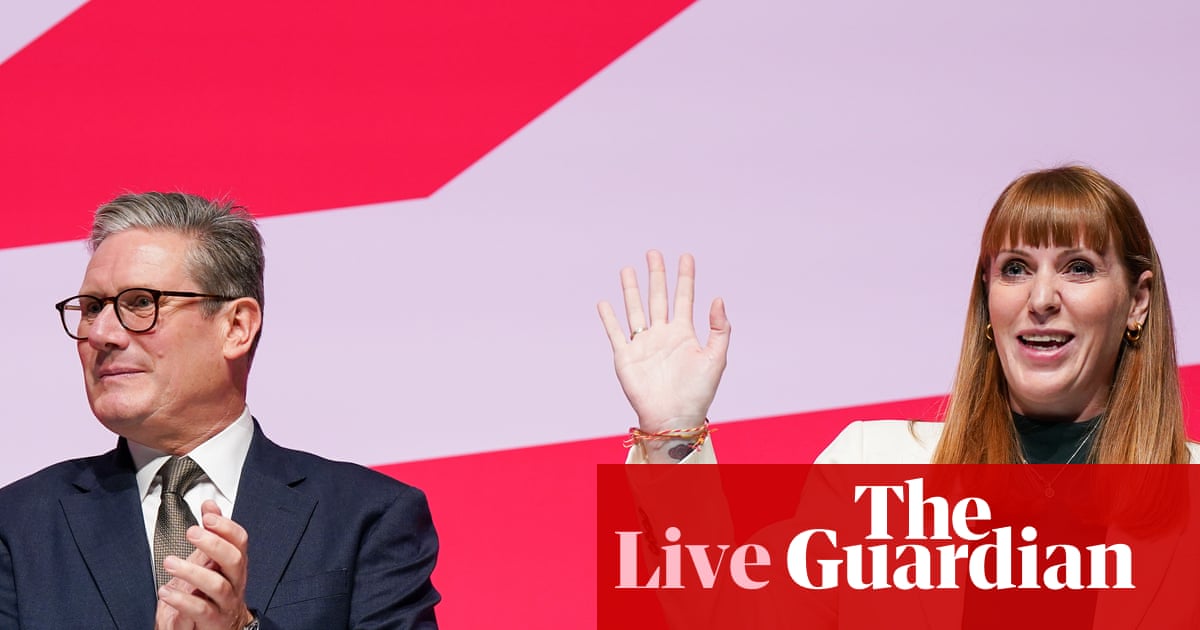 Angela Rayner calls blocking Andy Burnham’s return to parliament a mistake as pressure mounts on Keir Starmer – as it happened
theguardian.com
Angela Rayner calls blocking Andy Burnham’s return to parliament a mistake as pressure mounts on Keir Starmer – as it happened
theguardian.com
Angela Rayner has warned that Labour may be facing its “last chance” after heavy losses in local elections, adding to a widening internal argument over whether Keir Starmer’s government can recover before voters turn elsewhere. The BBC reports that Rayner, in her first public comments since the results, urged Starmer to act faster and more boldly to improve living standards, while backing Greater Manchester mayor Andy Burnham’s return to Westminster.
The immediate trigger is electoral arithmetic. Labour lost almost 1,500 councillors in England, the BBC says, with losses flowing mainly to Reform UK and the Greens. The party also lost power in Wales and placed only joint second in Scotland, where the SNP retained control. Those outcomes have turned what would normally be treated as mid-cycle local turbulence into a contest over the party’s direction and personnel, because they suggest Labour’s coalition is leaking simultaneously to a populist right and a greener left.
Rayner’s critique, as described by the BBC, is framed less as a personality clash than as a warning about the party’s social base. She said Labour risks becoming “a party of the well-off, not working people,” and called for measures that would be felt quickly in household finances. Her statement also advocated giving regional mayors more economic powers, raising the minimum wage, and being open to “new forms of public, community and cooperative ownership.”
The subtext is that Labour’s internal gatekeeping is now part of the story. Rayner explicitly criticised the earlier decision to block Burnham from standing as an MP, calling it a mistake, and argued that the party should “bring the best players into Parliament.” That is a direct challenge to the leadership’s control of candidate selection and the career paths it can grant—or deny—to potential rivals.
Starmer is expected to respond with a speech intended to shore up his position, the BBC reports. But the party’s problem is that speeches are cheap while local results are concrete: councillor losses translate into fewer activists, fewer local networks, and fewer people whose job it is to keep Labour visible between elections.
Rayner has not launched a leadership challenge. For now, she has simply put her warning in writing and attached it to the election numbers the party cannot dispute.