
Cape Verde builds a tech state while Somali police detain journalists
£45m TechParkCV aims to make digital sector a quarter of GDP by 2030, Mogadishu counter-terror unit accused of beatings and death threats after torture reporting
Images
 Students at TechParkCV in Praia. Cape Verde hopes its digital boom can stem one of the world’s highest emigration rates. Photograph: Ricci Shryock
theguardian.com
Students at TechParkCV in Praia. Cape Verde hopes its digital boom can stem one of the world’s highest emigration rates. Photograph: Ricci Shryock
theguardian.com
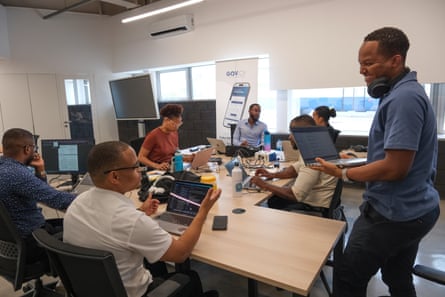 People working at TechParkCV. Photograph: Ricci Shryock/The Guardian
theguardian.com
People working at TechParkCV. Photograph: Ricci Shryock/The Guardian
theguardian.com
 Jessica Sanches Tavares: ‘There are still challenges but I think we are on the right trajectory.’ Photograph: Ricci Shryock/The Guardian
theguardian.com
Jessica Sanches Tavares: ‘There are still challenges but I think we are on the right trajectory.’ Photograph: Ricci Shryock/The Guardian
theguardian.com
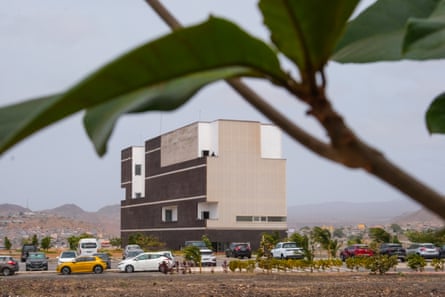 This year, TechParkCV will host the Web Summit, one of the world’s largest technology events. Photograph: Ricci Shryock
theguardian.com
This year, TechParkCV will host the Web Summit, one of the world’s largest technology events. Photograph: Ricci Shryock
theguardian.com
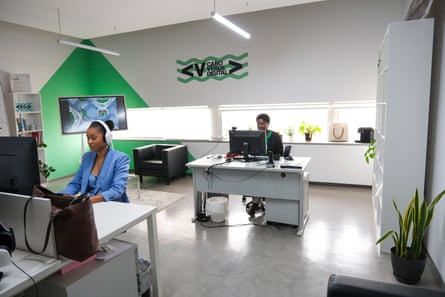 Workers at Cabo Verde Digital, a government programme to promote innovation and entrepreneurship, in their office at TechParkCV. Photograph: Ricci Shryock/The Guardian
theguardian.com
Workers at Cabo Verde Digital, a government programme to promote innovation and entrepreneurship, in their office at TechParkCV. Photograph: Ricci Shryock/The Guardian
theguardian.com
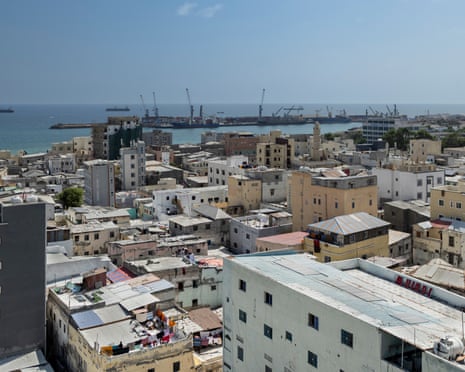 The journalists said they were arrested and assaulted by counter-terrorism police in Mogadishu on Friday. Photograph: Tony Karumba/AFP/Getty Images
theguardian.com
The journalists said they were arrested and assaulted by counter-terrorism police in Mogadishu on Friday. Photograph: Tony Karumba/AFP/Getty Images
theguardian.com
Cape Verde has put a £45m tech park at the centre of its plan to keep talent at home, while Somali police in Mogadishu detained and beat three journalists after reporting on torture claims in a central prison. The contrasting stories, reported by The Guardian, land in the same week: Cape Verde’s digital economy ministry repeats its target of making tech a quarter of GDP by 2030, and Somalia’s US-trained counter-terrorism unit is accused of threatening reporters with death if they keep writing.
Cape Verde’s pitch is built around arithmetic as much as aspiration. With roughly 529,000 residents spread across 10 islands and a diaspora estimated at three to four times that size, the country has long exported its workforce; it also has one of Africa’s higher internet penetration rates, around 75% according to the Guardian, roughly double the continental average. The state has chosen to treat those constraints as a business model: teach coding and robotics to schoolchildren in repurposed shipping containers, offer tax incentives in a special economic zone, and use new undersea cables as the physical argument that the islands can sell services rather than just sun.
The financing shows how the plan is being underwritten. TechParkCV, the flagship facility, cost £44.78m and was funded mostly through a loan from the African Development Bank, the Guardian reports. Loans force a timetable: if the park does not fill with paying tenants and exportable work, the cost does not disappear into a donor report. The park has attracted about two dozen companies so far, and will host the Web Summit later this year, in what organisers describe as the first time the event is held on the African continent.
Somalia’s media environment runs on a different set of constraints. The Guardian reports that Mohamed Bulbul was arrested in a restaurant in central Mogadishu alongside journalists Abdihafid Nor Barre and Abdishakur Mohamed Mohamud, then assaulted by members of a counter-terrorism police unit trained by the United States. They were released early the next morning, but the Somali Journalists Syndicate quoted Mogadishu police chief Mahdi Omar Mumin as warning that if they did not stay silent about planned protests and Bulbul’s reporting — including the case of 27-year-old rickshaw driver and activist Sadia Moalim Ali — “the only option remaining would be death.”
The trigger, colleagues believe, was not a generic security story but a specific allegation that travels fast: Ali told the Guardian she was stripped naked by two male guards in a CCTV-monitored room, beaten with a baton, and left without food for two days in a small cell. The article spread across Somali media and social platforms, and arrests followed amid political tension as the presidential term approaches its 15 May end date. The Guardian says at least five other local journalists were arrested earlier in the week and had equipment confiscated, while two broadcast journalists remained detained.
Cape Verde is trying to turn emigration into a network effect, pricing in that people leave but may return if there is work and infrastructure. Somalia’s security services, facing public anger and looming protests, appear to be treating independent reporting as a problem to be suppressed rather than a signal to be answered.
In Praia, the state is taking on debt to build server rooms and offices. In Mogadishu, the police chief is accused of telling reporters that the next step after arrest is death.