
MV Hondius docks in Tenerife after suspected hantavirus outbreak
UK and EU send planes to evacuate passengers, Arrowe Park Hospital reused as isolation site
Images
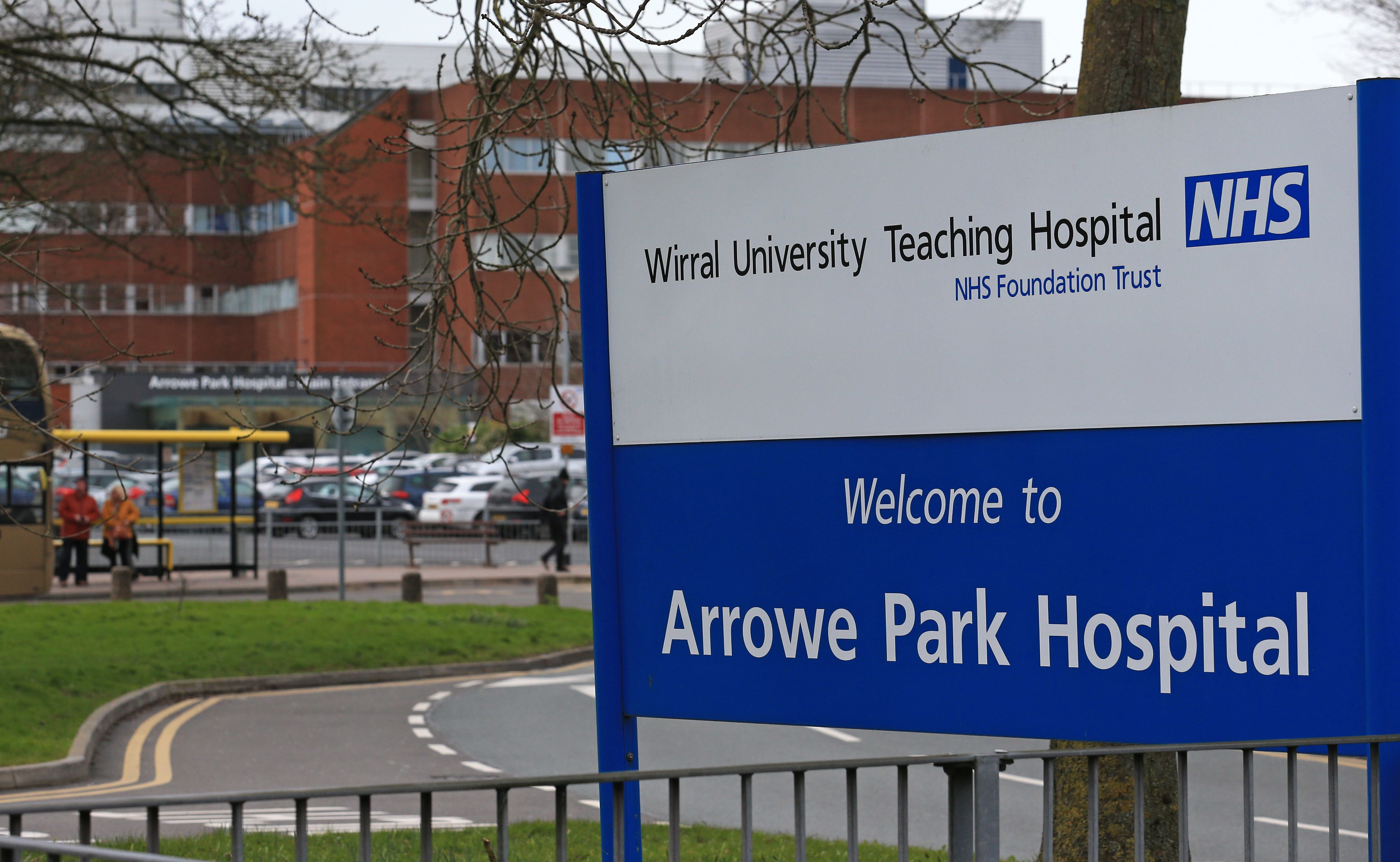 Arrowe Park Hospital was where British nationals who were repatriated after a prolonged stay on a Covid-hit cruise ship in 2020 (AFP/Getty)
AFP/Getty
Arrowe Park Hospital was where British nationals who were repatriated after a prolonged stay on a Covid-hit cruise ship in 2020 (AFP/Getty)
AFP/Getty
 independent.co.uk
 independent.co.uk
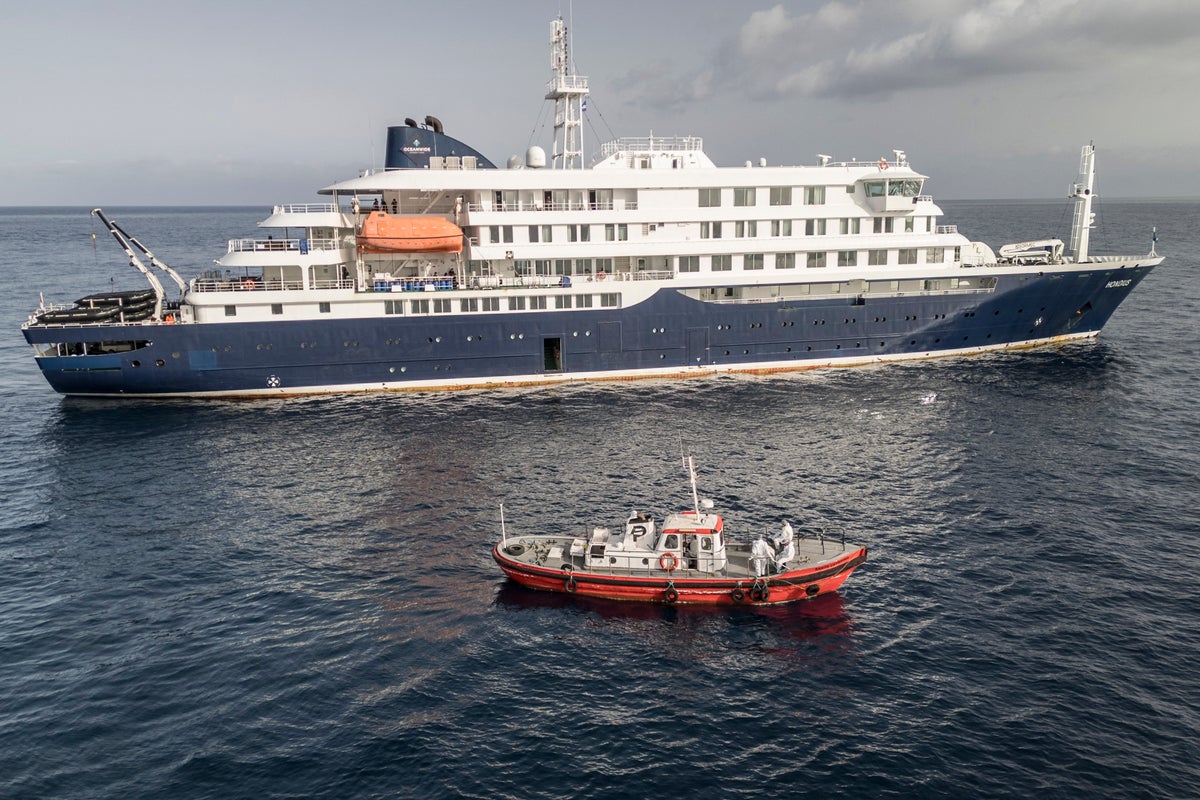
A cruise ship that reported at least three deaths linked to suspected hantavirus is set to dock in Tenerife early Sunday, with the UK and several EU countries dispatching aircraft to fly passengers home. The Independent reports that 22 British citizens—19 passengers and three crew—will be tested onboard MV Hondius before being taken directly from ship to plane, then transferred on arrival to Arrowe Park Hospital on the Wirral for up to 72 hours of assessment.
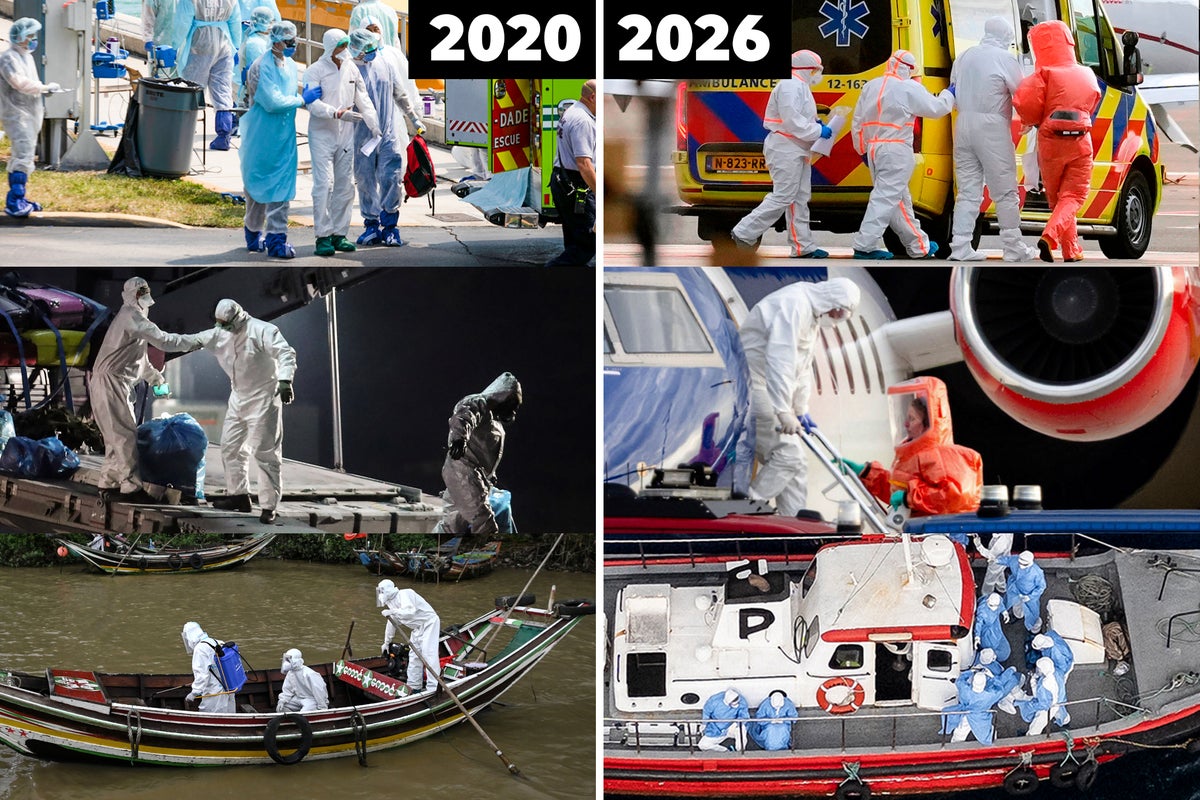
The logistics read like a multi-agency drill: NHS England North West, the local integrated care board, Merseyside Police, ambulance services and Wirral Council issued a joint statement about the reception and short-term isolation regime. Spain’s interior minister, according to the same report, said Germany, France, Belgium, Ireland and the Netherlands are also sending planes, while the EU is providing two additional aircraft for remaining European citizens. The World Health Organization’s director general Tedros Adhanom Ghebreyesus travelled to Spain to join officials overseeing the operation and said the risk to Canary Islands residents and globally remained low, adding that none of the passengers were showing symptoms.
What is being managed is not just a virus but a jurisdictional problem. A ship is a closed environment until it needs a port, an airport, hospital beds and a legal basis for moving potentially exposed people across borders. Tenerife has already seen protests from residents who fear exposure, a reminder that even when officials say risk is “very low”, the costs of reassurance—policing, testing capacity, isolation facilities—are paid locally and immediately. The UK’s choice of Arrowe Park Hospital is also telling: it was used for early COVID-era returns from China in 2020, suggesting that emergency plans often consist of reactivating last decade’s playbook rather than maintaining standing capacity.
The repatriation model also shifts incentives. Airlines and airports become part of a public-health supply chain, while the financial and practical burden of quarantine is pushed onto national health systems once passengers land. For cruise operators, the episode underlines how quickly an itinerary becomes a liability: a ship that cannot dock is not a holiday product but a floating holding facility, dependent on political permission as much as medical clearance. For island authorities, the calculation is simpler—tourism revenue is diffuse, but the blame for a perceived outbreak is personal and concentrated.
By Sunday morning, the outcome will be visible in a small number: how many people leave the ship on stretchers, and how many walk straight onto waiting planes under police escort.