
Frontier jet kills trespasser on Denver runway during takeoff
Security breach triggers engine fire and mass evacuation, airport perimeter proves hard to police at scale
Images
 Frontier Airlines flight strikes person on Denver runway
foxnews.com
Frontier Airlines flight strikes person on Denver runway
foxnews.com
 Sean Duffy speaking at a news conference at Philadelphia International Airport
foxnews.com
Sean Duffy speaking at a news conference at Philadelphia International Airport
foxnews.com
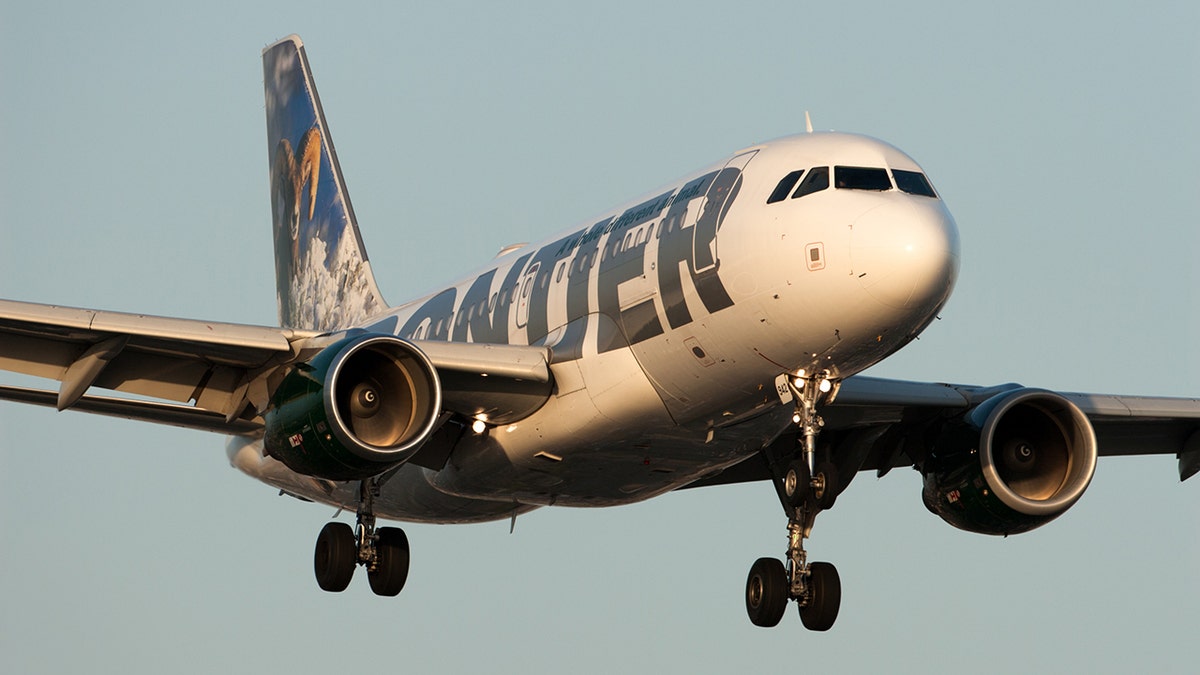 Frontier Airlines Airbus A319 aircraft approaching runway for landing at Los Angeles International Airport
foxnews.com
Frontier Airlines Airbus A319 aircraft approaching runway for landing at Los Angeles International Airport
foxnews.com
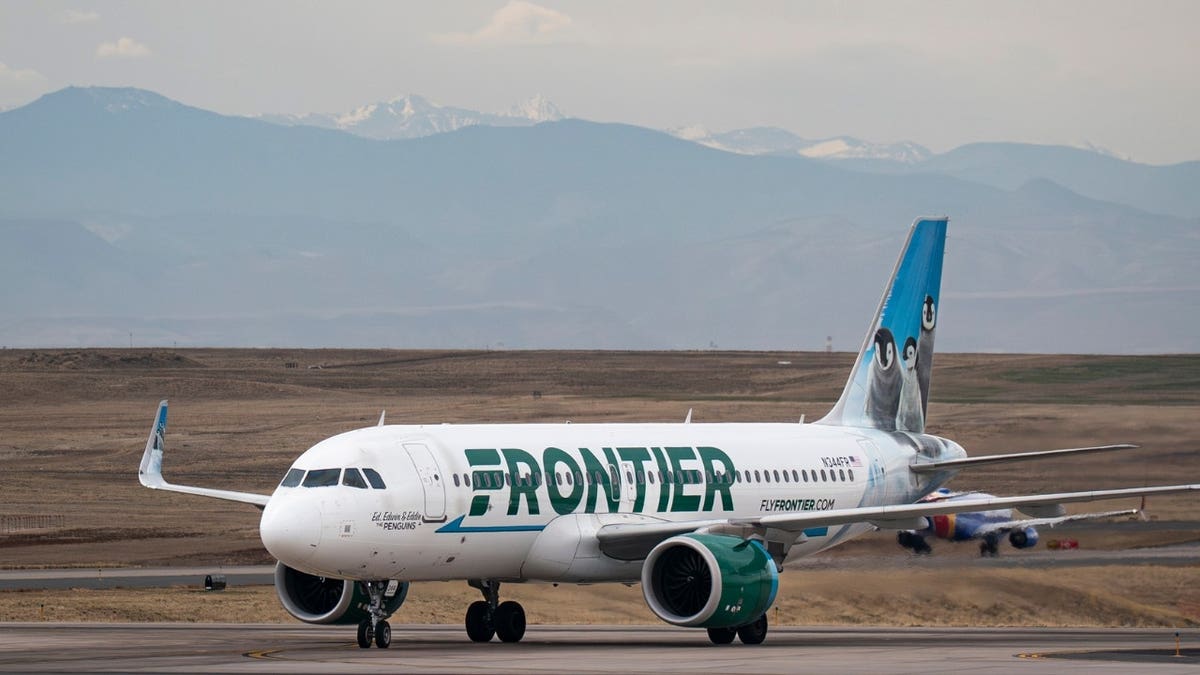 A Frontier Airlines flight taxis at Denver International Airport with the Colorado Rocky Mountains in the background
foxnews.com
A Frontier Airlines flight taxis at Denver International Airport with the Colorado Rocky Mountains in the background
foxnews.com
A Frontier Airlines jet struck and killed a person on a Denver International Airport runway late Friday after authorities say the individual breached the perimeter fence and ran onto the airfield. The Airbus A321neo, operating Flight 4345 from Denver to Los Angeles, aborted takeoff after the impact and a brief engine fire. Passengers were evacuated by bus to the terminal as the runway was closed and the NTSB was notified, according to Fox News.
The episode lands in a category airports work hard to make invisible: the boundary between “secure” public infrastructure and the open city around it. Denver police and federal agencies are now trying to reconstruct how a person reached an active runway at 11:19 p.m. and why the layers meant to stop that—fencing, patrols, cameras, access controls—did not. Officials said the fence line was later found intact, a detail that shifts attention from broken hardware to the softer parts of security: blind spots, response times, and the simple fact that a large perimeter is expensive to watch continuously.
The costs of that gap showed up immediately inside the aircraft. Preliminary reports cited by Fox News said 12 people were injured and five were hospitalised, with smoke in the cabin and an evacuation on the tarmac after the right wing area was seen on fire. Even when the fire is extinguished quickly, an aborted takeoff at speed turns into a chain of operational disruptions: closed runways, delayed departures, repositioning aircraft, and crew duty-time knock-on effects that ripple through schedules.
It also underlines how safety in heavily regulated systems is often built around expected failures—mechanical issues, weather, pilot error—while rare human intrusions can defeat the model. Runway incursions typically bring to mind vehicle mistakes or miscommunications with air traffic control; a pedestrian on the runway is less common, but the consequences are more binary. Transportation Secretary Sean Duffy’s public warning that “no one should ever trespass on an airport runway” is true and, from an enforcement standpoint, beside the point: the entire premise of perimeter security is that the system assumes someone eventually will.
Investigators now have cockpit audio, witness accounts, and physical evidence from the aircraft to map the sequence from breach to impact. What they do not yet have is a clear explanation for how an international hub with 24-hour operations ended up relying on a pilot’s last-second sighting to stop a runway death.
Frontier’s Flight 4345 never left Denver for Los Angeles. Runway 17L remained closed as responders worked the scene and federal investigators opened their case file.