
Iyad Ag Ghali tightens grip on Mali insurgency
El País says jihadists blockade Bamako as Kidal falls, junta refusal to negotiate meets a supply-line war
Images
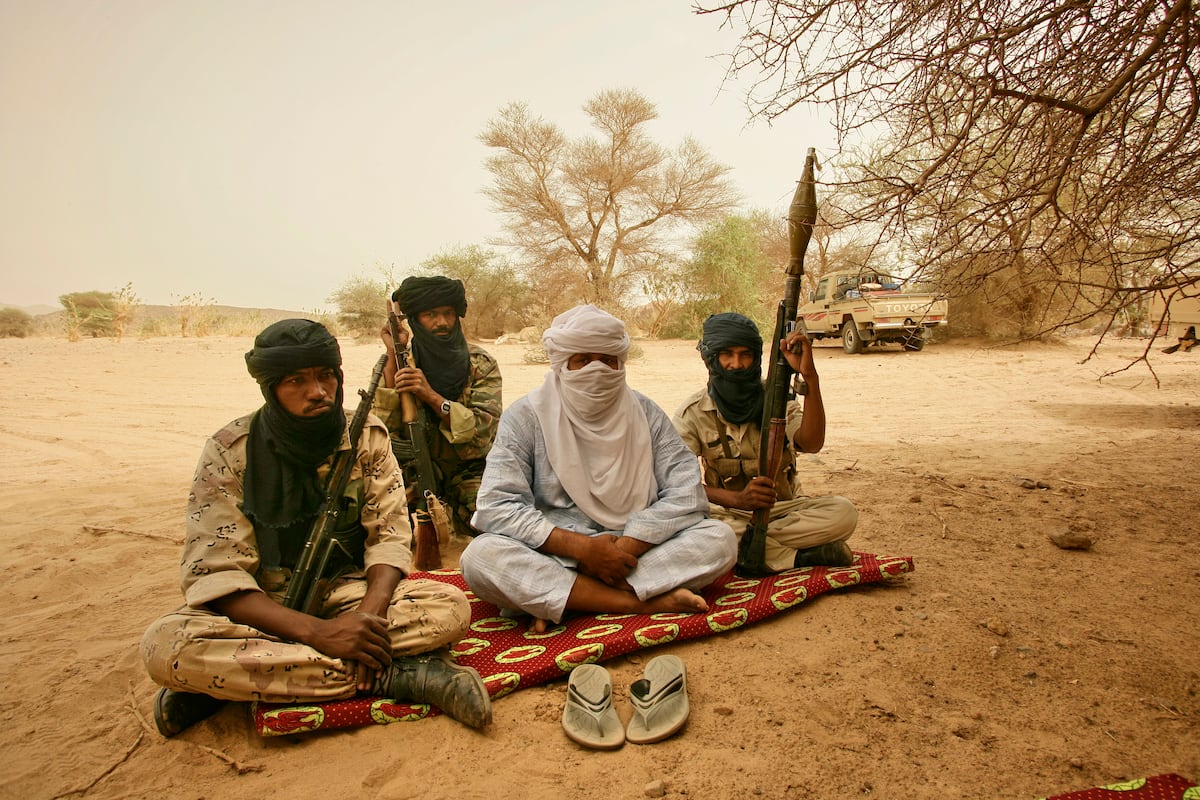 Iyad Ag Ghali, the most wanted jihadist in the Sahel, is making Mali tremble
english.elpais.com
Iyad Ag Ghali, the most wanted jihadist in the Sahel, is making Mali tremble
english.elpais.com
Mali’s military junta is facing an insurgent alliance that is tightening pressure on the capital and taking territory in the north, with Iyad Ag Ghali—leader of Jama’at Nusrat al-Islam wal-Muslimin (JNIM)—cast as the central figure holding the coalition together. El País reports that jihadists have imposed a blockade on Bamako’s main roads, while Kidal has fallen into rebel hands after a joint offensive by Tuareg forces and jihadists.
The fighting has moved beyond the familiar pattern of rural raids and retaliation. A blockade targets the basic mechanics of state survival: fuel, food, and the ability of officials and soldiers to travel without being ambushed. When goods stop moving, prices rise, and the state’s authority is measured at checkpoints and markets rather than in speeches. The junta’s claims of control compete with the daily arithmetic of scarcity.
El País describes Ag Ghali as more than a battlefield commander. He is portrayed as a broker with access to tribal structures and financing, someone able to coordinate JNIM’s units because he controls logistics and cash. Analysts cited by the paper argue that the current alliance between Tuareg rebels and jihadists would not exist without him. That matters because it turns what were once parallel conflicts—separatism in the north and jihadist expansion in the centre—into a shared campaign against Bamako.
The profile also sketches a career that has moved through multiple systems without settling into any of them: Gaddafi’s Libya, Tuareg rebellions, a stint as a diplomat, hostage negotiations, and finally leadership of an organisation accused of war crimes and crimes against humanity by the International Criminal Court. That breadth is not biography for its own sake. It explains why a movement built on religious absolutism can still cut local deals and recruit across communities when it needs to.
Mali’s rulers have insisted they will not negotiate with armed groups, even as the security map deteriorates and foreign partners have proved unreliable. Russian mercenaries were brought in as a substitute for earlier Western support; El País notes that Ag Ghali’s organisation has shown it can challenge armies, governments, and those mercenaries alike. The result is a security market where the state pays for force but cannot buy monopoly.
For Bamako, the immediate question is not which flag flies over Kidal. It is how long trucks can be kept moving on the roads that feed the capital.