
El Faro says El Salvador freezes journalists’ assets
Outlet links move to Bukele corruption reporting and gang-negotiation documentary, US tariff court ruling shows how fast leverage shifts across borders
Images
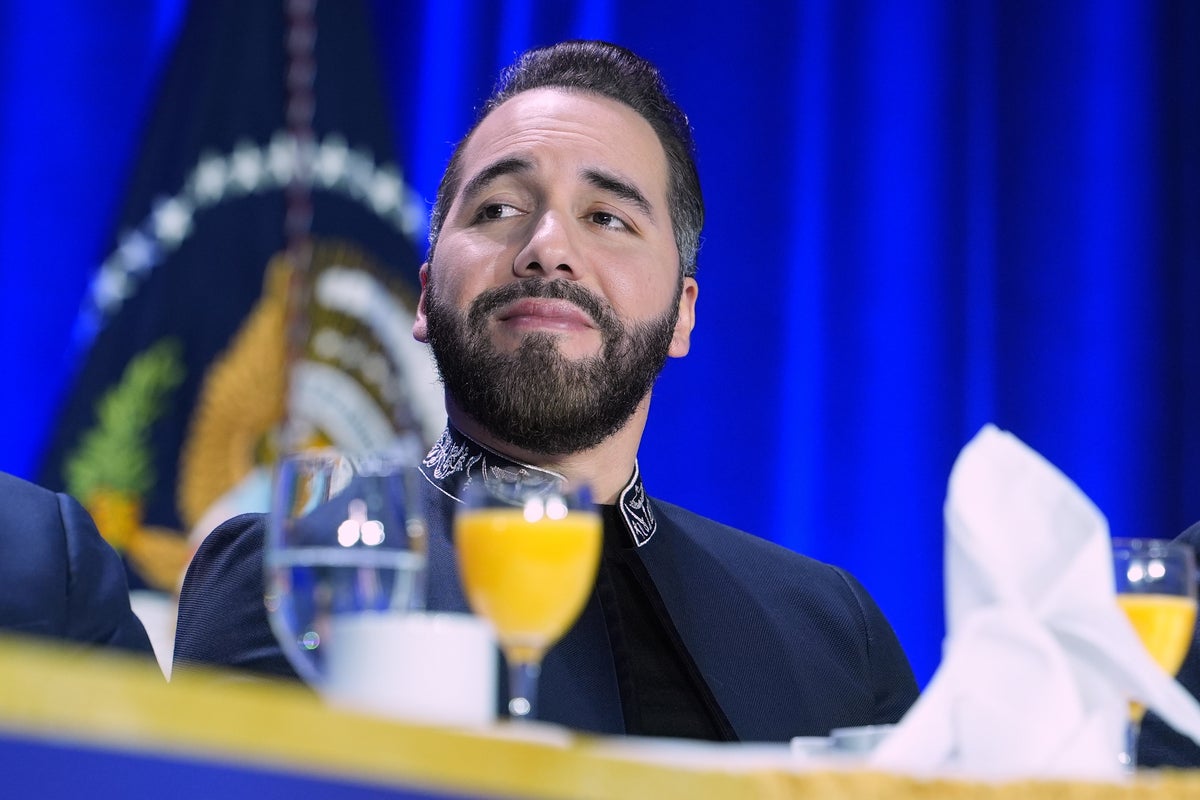 Salvadoran news outlet El Faro says its assets frozen in retaliation for reporting on Bukele
independent.co.uk
Salvadoran news outlet El Faro says its assets frozen in retaliation for reporting on Bukele
independent.co.uk
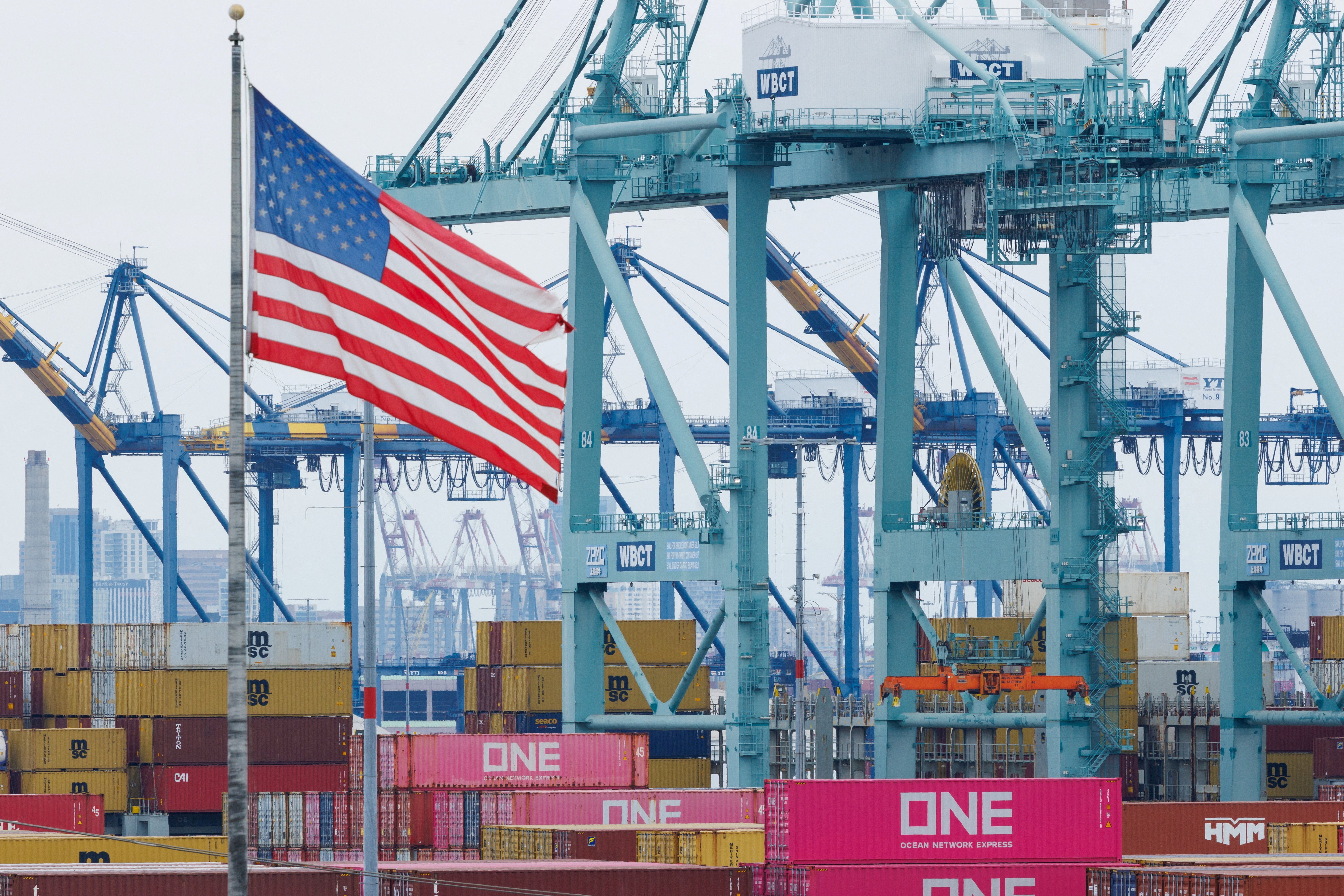 The ruling marked another legal setback for the Trump administration (Reuters/Mike Blake)
Reuters/Mike Blake
The ruling marked another legal setback for the Trump administration (Reuters/Mike Blake)
Reuters/Mike Blake
Two members of El Salvador’s investigative outlet El Faro say their assets were frozen this week, including a bank account and property, after the newsroom published a PBS Frontline documentary about alleged government negotiations with gangs. According to The Independent, El Faro says it learned of the measures through a bank and the property registry rather than any formal notification, and it describes the move as retaliation for reporting on President Nayib Bukele’s administration.
The allegation fits a familiar sequence in countries where the executive cannot easily shut down a newsroom outright: tax audits, administrative procedures, and financial blocks that make day-to-day operations impossible while keeping the state’s fingerprints light. El Faro says Salvadoran authorities have audited the outlet since 2020 over an alleged $200,000 tax dispute that the newsroom denies, and that more than 20 of its journalists’ iPhones showed traces of Pegasus spyware in 2022. The staff moved the organisation’s headquarters to Costa Rica in 2023 and now live in exile, but the asset freezes show how pressure can follow individuals even after a newsroom relocates.
The same week, a US federal trade court in New York struck down President Donald Trump’s temporary 10% worldwide tariffs, ruling that he exceeded authority delegated by Congress under Section 122 of the 1974 Trade Act, according to an Associated Press report carried by The Independent. The decision applies directly only to three plaintiffs — the state of Washington and two small companies — and the administration is expected to appeal, with a path that could run through the Federal Circuit and back to the Supreme Court. But the ruling underlines how quickly Washington’s preferred tools can change shape: import taxes can be imposed by proclamation one month and pulled back by judges the next, while the White House launches new investigations that could justify fresh tariffs on “overproduction” or forced-labour grounds.
For Central American governments that built political strategies around proximity to the US — security cooperation, migration control, trade access — that volatility matters. Bukele has cultivated international attention for mass incarceration under a state of exception that has jailed more than 91,000 people, while critics point to arrests of civil-society figures and a tightening legal environment. When domestic checks weaken, the remaining constraints often come from banks, foreign platforms, and cross-border legal venues — the same channels El Faro has used in a US lawsuit against NSO Group.
El Faro’s director Carlos Dada said the newsroom will challenge the freezes, but the immediate effect is mundane: a bank account that cannot be used and property that cannot be sold or mortgaged. The court ruling in New York, meanwhile, turns on a similarly prosaic question — which line of a statute allows a president to levy a tax — with billions of dollars of trade hanging on the answer.