
Trump gives EU a 4 July tariff deadline
Von der Leyen says legislation will pass in time, a 25% car tariff threat tests whether the deal’s 15% cap is enforceable
Images
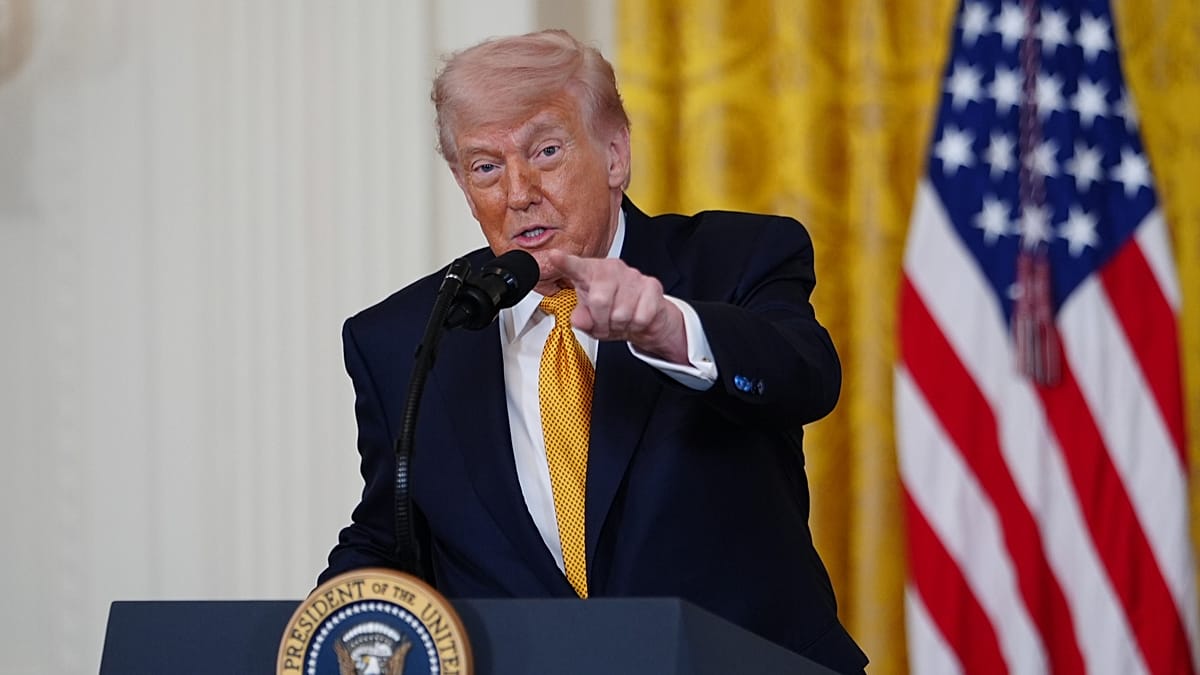 Trump gives EU until 4 July to finalise deal or face 'higher' tariffs
euronews.com
Trump gives EU until 4 July to finalise deal or face 'higher' tariffs
euronews.com
Donald Trump sets a 4 July deadline for the European Union to implement a tariff-cutting trade deal, after a phone call with European Commission President Ursula von der Leyen and a renewed threat to raise US car tariffs to 25% if Brussels misses the date. The ultimatum extends a previous warning and ties it to US Independence Day, giving EU lawmakers and member states less than two months to pass legislation that would remove the bloc’s remaining tariffs on US goods. Von der Leyen said she was confident the EU could approve the needed measures before the deadline.
According to Euronews, the arrangement being implemented was struck last summer in Turnberry, Scotland: the EU would slash remaining tariffs on US goods, while Washington would apply an “all-inclusive” 15% tariff on most EU products, intended to prevent additional duties from stacking on top. In Brussels, the fight is not just speed but design. The European Parliament is pushing for safeguards in case Trump breaches commitments or escalates in other areas, while member states prefer to implement quickly and avoid adding tripwires that could slow ratification. The White House has also attacked EU digital and environmental rules and called for their abolition, turning what is presented as a tariff bargain into a wider attempt to trade market access for regulatory changes.
The mechanics matter because the costs land unevenly. A 25% tariff on EU-made cars would hit a handful of export-heavy manufacturers and regions first, but the response options—retaliation, subsidies, or rushed concessions—spread the bill across consumers and taxpayers. The EU’s “15% cap” is supposed to limit unilateral US escalation, yet the immediate pressure is on European institutions to prove they can legislate on a Washington timetable. Euronews reports that most officials and diplomats in Brussels did not expect the threatened hike to actually take effect, citing Trump’s record of threats followed by reversals. That expectation itself becomes a negotiating constraint: if policymakers assume the threat is a bluff, they have less reason to accept safeguards that would slow the deal, and more reason to bank on compliance and move on.
For now, the concrete deliverable is a piece of EU legislation that removes tariffs while trying to anticipate a counterparty that may re-litigate the terms. The deadline is 4 July, and the tariff that concentrates minds is 25% on cars.