
Hondius cruise hantavirus probe expands
Officials trace passengers who left at St Helena before outbreak fully surfaced, global itineraries turn contact tracing into a passport problem
Images
 3 dead after suspected hantavirus outbreak aboard cruise ship
foxnews.com
3 dead after suspected hantavirus outbreak aboard cruise ship
foxnews.com
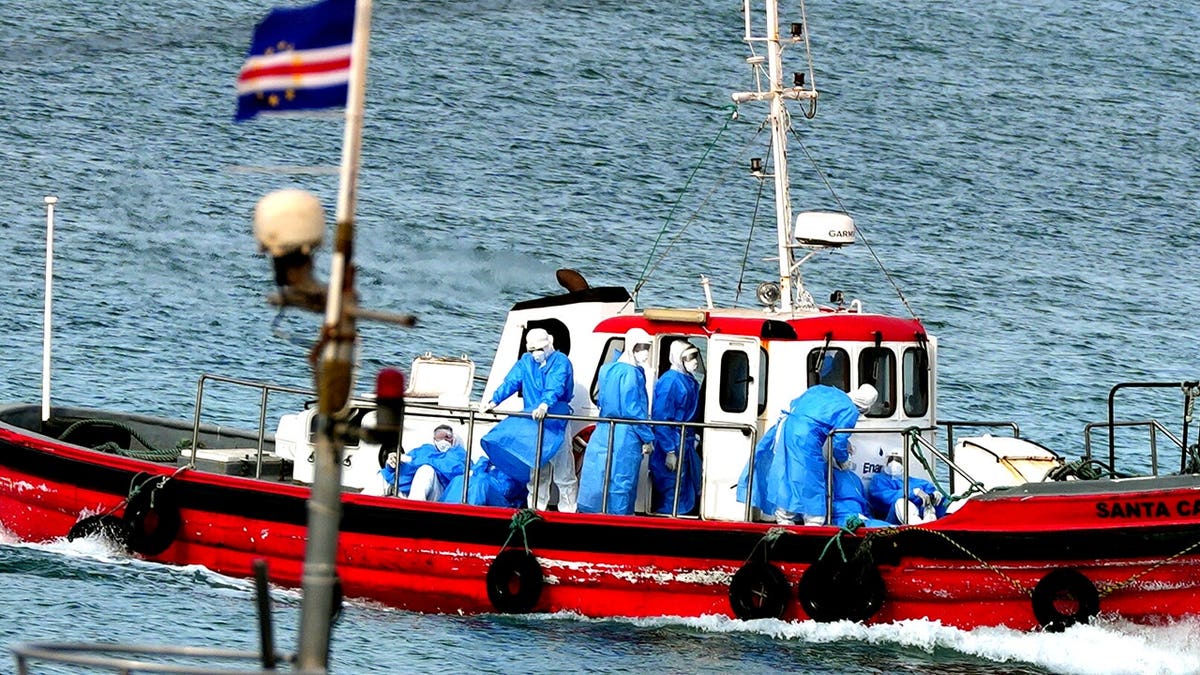 Health workers in protective gear evacuating patients from MV Hondius cruise ship at port
foxnews.com
Health workers in protective gear evacuating patients from MV Hondius cruise ship at port
foxnews.com
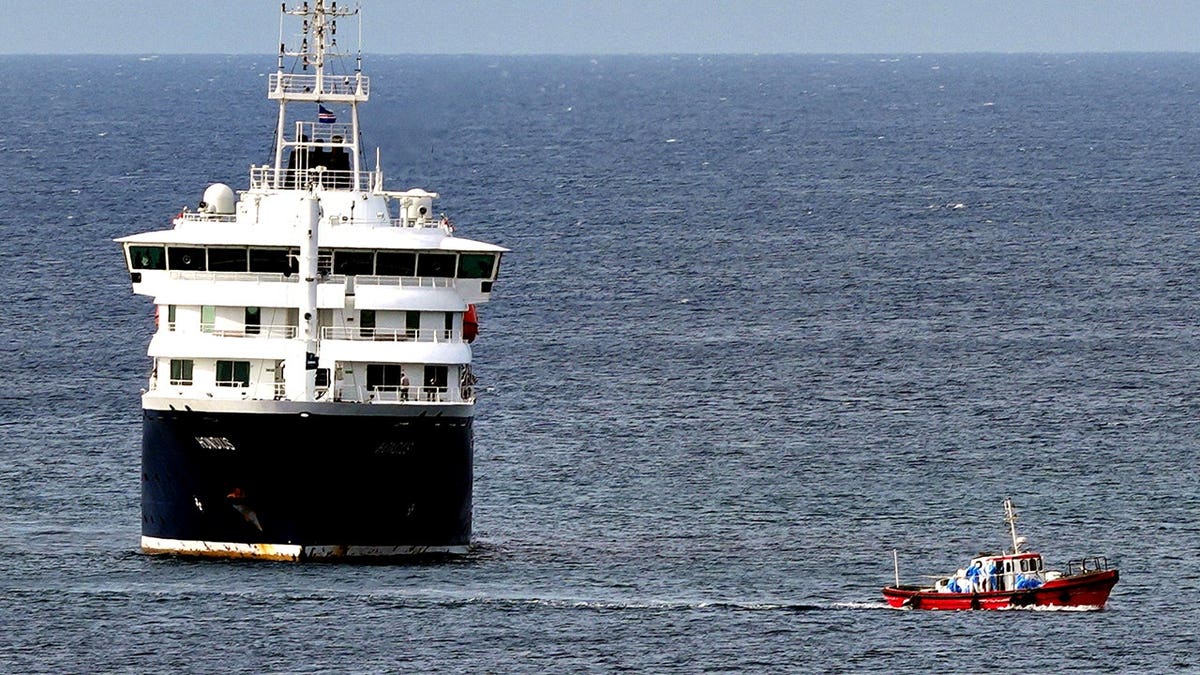 The MV Hondius cruise ship anchored at a port in Praia, Cape Verde
foxnews.com
The MV Hondius cruise ship anchored at a port in Praia, Cape Verde
foxnews.com
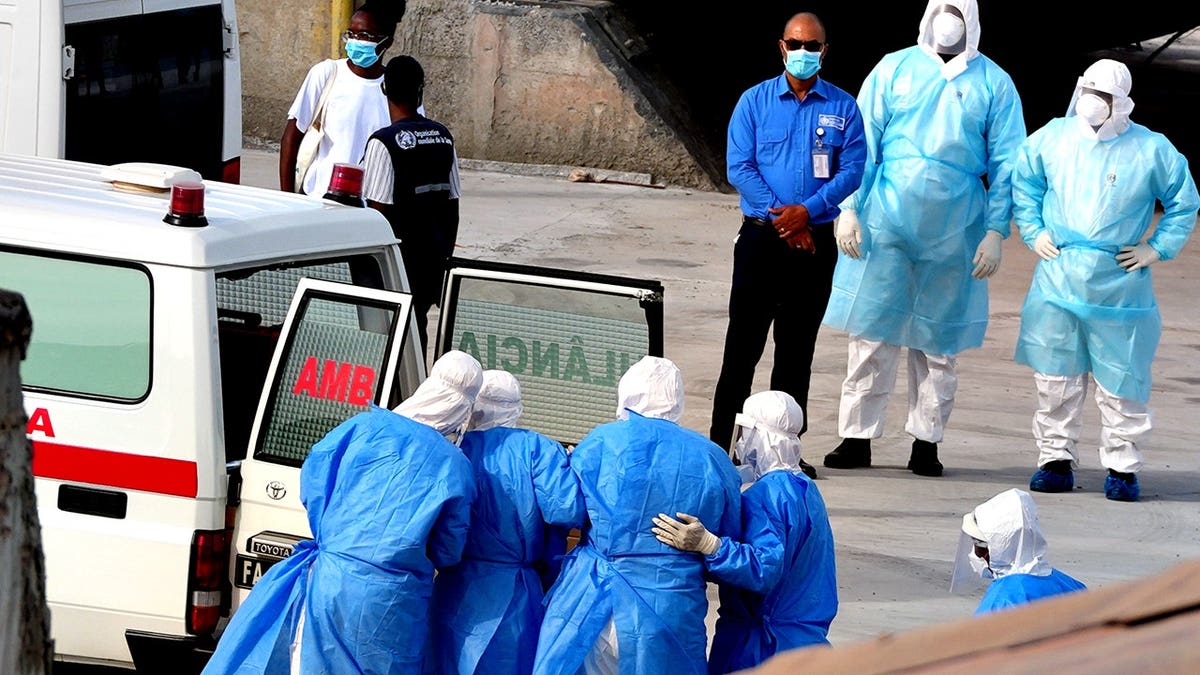 Health workers in protective gear evacuate patients from MV Hondius cruise ship into ambulance at port
foxnews.com
Health workers in protective gear evacuate patients from MV Hondius cruise ship into ambulance at port
foxnews.com
 standard.co.uk
 standard.co.uk
 standard.co.uk
 standard.co.uk
On April 24, nearly 30 passengers stepped off the Dutch-flagged expedition cruise ship MV Hondius at the remote South Atlantic island of St Helena—weeks into a voyage that would later be linked to at least three deaths from hantavirus. Health officials are now trying to reconstruct where those passengers went next after they dispersed across continents, according to Fox News and the London Evening Standard. The European Centre for Disease Prevention and Control has advised that everyone on board should be treated as a close contact.
The practical problem is not simply that hantavirus is dangerous; it is that modern travel turns a ship’s manifest into dozens of separate jurisdictional puzzles. One passenger who returned to Switzerland has tested positive for the Andes strain, a rare variant that can spread between people through close contact, Fox News reports. The Standard says seven Britons were among those who disembarked, and the UK Health Security Agency has two returning passengers isolating at home after travelling back via Johannesburg. Oceanwide Expeditions, the operator, says guests who left have been contacted—an assertion that sits uneasily with officials’ public hunt for people who “walked off” without contact tracing.
The timeline described in the coverage shows how quickly control can slip. A Dutch man died on April 11 and his body was removed from the ship at St Helena; his wife then travelled onward and collapsed and died at Johannesburg airport, according to both outlets. Argentine officials have suggested exposure may have occurred earlier, during a bird-watching tour near Ushuaia where rodents at a landfill could have been the source—illustrating how outbreak narratives often start on land but become visible only once passengers are confined together. By May 6, health workers in protective gear were evacuating patients from the vessel at Praia in Cape Verde; the Standard reports ambulances at the port and air ambulances taking patients out.
For public health systems, the episode is a stress test of the weakest link: voluntary compliance and fragmented responsibility. A cruise operator can advise, a national agency can request isolation, and an international body can issue a definition of “close contact,” but none of them controls where a tourist flies after a mid-voyage stop. The costs of uncertainty—extra screening, missed work, and precautionary isolation—are pushed onto passengers and local health authorities, while the commercial decision to keep an itinerary moving is rarely priced like an insurance claim until after the fact.
The ship took on 114 guests in Ushuaia on April 1, the Standard reports. By the time ambulances were waiting in Praia, the people most important to find were no longer on the ship.