
Russian drones crash in Latvia
One hits Rēzekne oil depot and sparks fire, NATO airspace incidents become a recurring border tax
Images
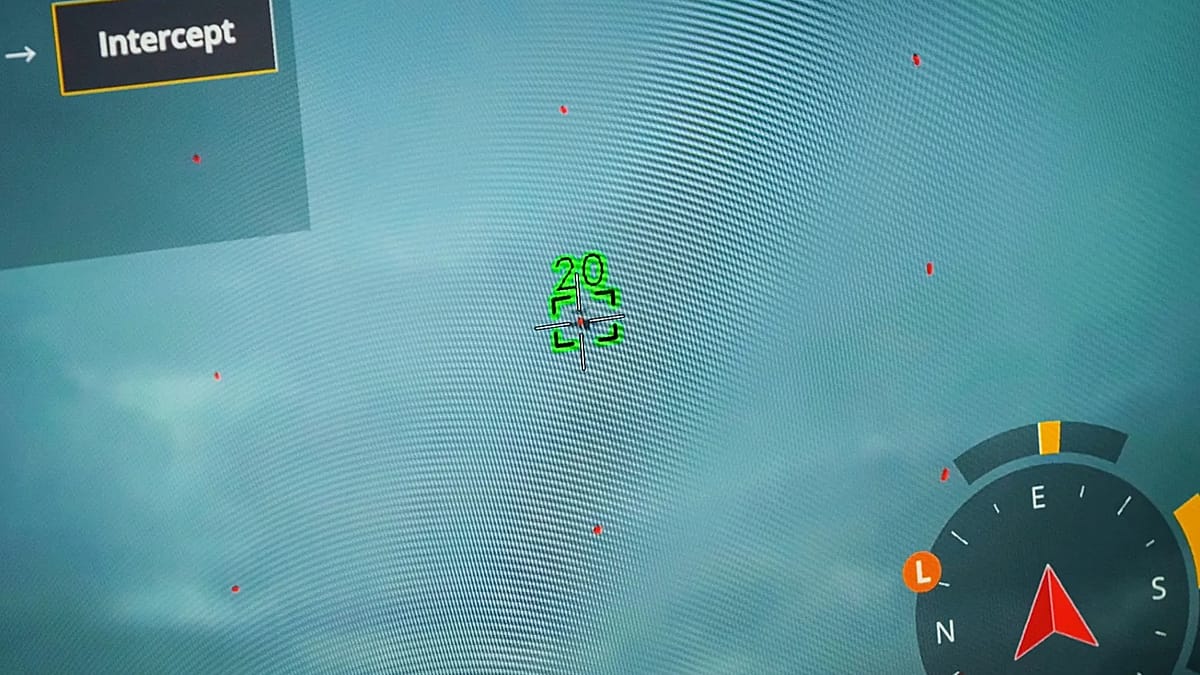 Two drones from Russia crash in Latvia, army says
euronews.com
Two drones from Russia crash in Latvia, army says
euronews.com
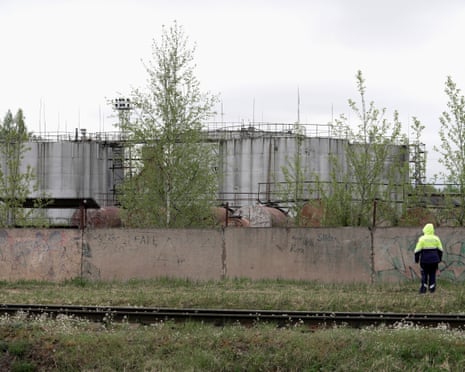 Oil tanks at the site where drones crashed at a storage facility in Rezekne, Latvia. Photograph: Janis Laizans/Reuters
theguardian.com
Oil tanks at the site where drones crashed at a storage facility in Rezekne, Latvia. Photograph: Janis Laizans/Reuters
theguardian.com
Two unmanned aircraft entered Latvian airspace from Russia overnight and crashed in the country’s east, one of them hitting an oil storage site in Rēzekne where firefighters quickly brought a blaze under control, according to the Latvian army. Latvia’s prime minister, Evika Siliņa, convened a crisis-management meeting on Thursday morning as investigators began tracing the drones’ origin and flight path, the Guardian reports. The incident follows a run of similar incursions across NATO’s eastern flank since last autumn, which European officials have described as an “unprecedented” scale of drone flyovers into allied airspace, according to Euronews.
The immediate damage appears limited: the Guardian said the storage facility’s tanks were empty, with four tanks reported damaged and minor smouldering in one. But the political and military problem is not the size of the fire; it is the recurring fact pattern. In March, drones believed to be linked to the war in Ukraine struck Estonia’s Auvere power plant chimney and fell in Latvia, part of a series of cross-border overflights that Baltic security officials have tied to the wider conflict. Latvian defence minister Andris Sprūds suggested the drones could have been Ukrainian units that lost their way due to signal jamming—an explanation that, if true, still leaves NATO countries absorbing the consequences of electronic warfare and long-range strikes being traded over the border.
European leaders have responded by promising hardware and coordination rather than diplomacy. Euronews notes that officials agreed to develop a “drone wall” for detection, tracking and interception, while NATO has deployed a new US anti-drone system to the eastern flank and launched the Eastern Sentry programme after a Polish airspace violation. Those measures are designed for a world in which drones are treated like routine airspace intrusions—objects to be logged, assessed, and occasionally shot down—rather than isolated accidents.
That shift has budgetary and legal consequences. Every incursion forces a decision about alerting the public, restricting flights, and mobilising emergency services; Latvia lifted its air warning after Thursday’s crashes but kept some flight restrictions in place, the Guardian reported. Each event also tests the line between “spillover” and “attack” in a region where the credibility of collective defence rests on whether governments can show control over their own skies without escalating into direct confrontation.
For Moscow, the ambiguity is useful. The Kremlin has previously dismissed allegations that Russia is behind unidentified drone flights in Europe as “unfounded,” Euronews reports. For Latvia, the ambiguity is costly: an empty oil depot still burns the same way, and the crisis meeting still starts at 10am.