
Ted Turner dies at 87
CNN founder turned 24-hour news into a global utility, the network he built outlived his control after the Time Warner sale
Images
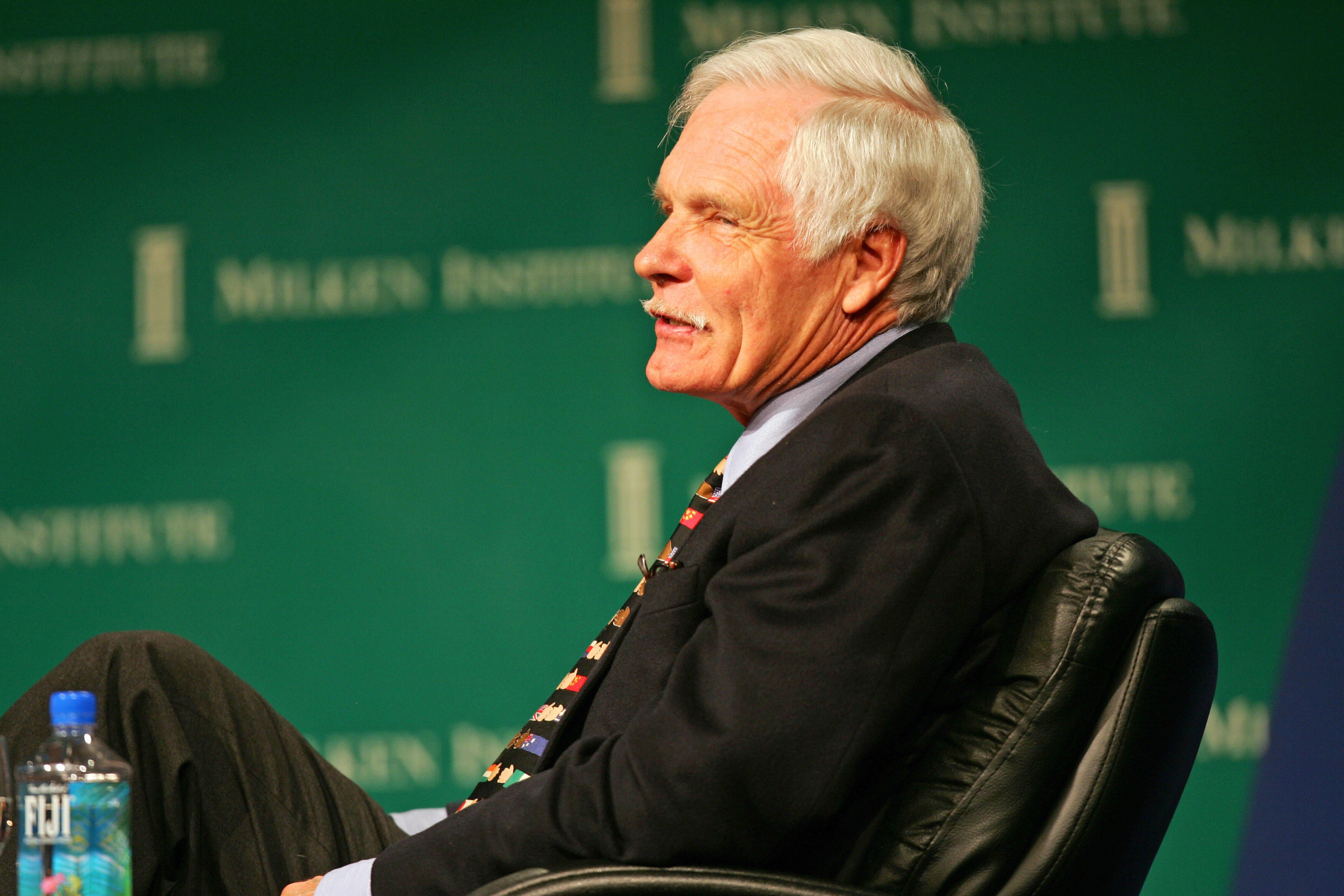 Ted Turner, the media tycoon who founded CNN, died at 87 years old (AFP/Getty)
AFP/Getty
Ted Turner, the media tycoon who founded CNN, died at 87 years old (AFP/Getty)
AFP/Getty
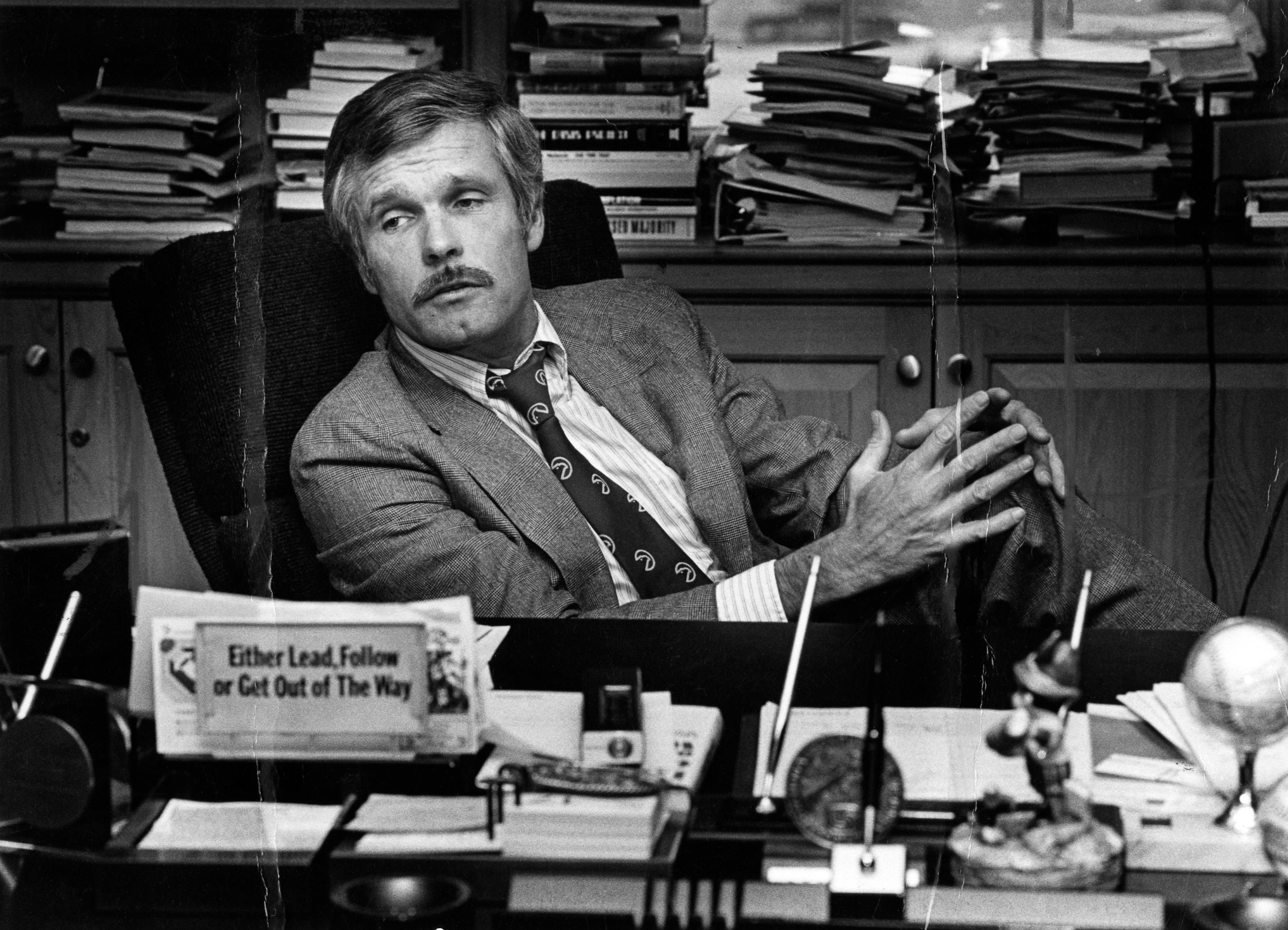 Turner revolutionized cable news in 1980 with the creation of CNN, the first 24-hour news channel (Atlanta Journal-Constitution)
Atlanta Journal-Constitution
Turner revolutionized cable news in 1980 with the creation of CNN, the first 24-hour news channel (Atlanta Journal-Constitution)
Atlanta Journal-Constitution
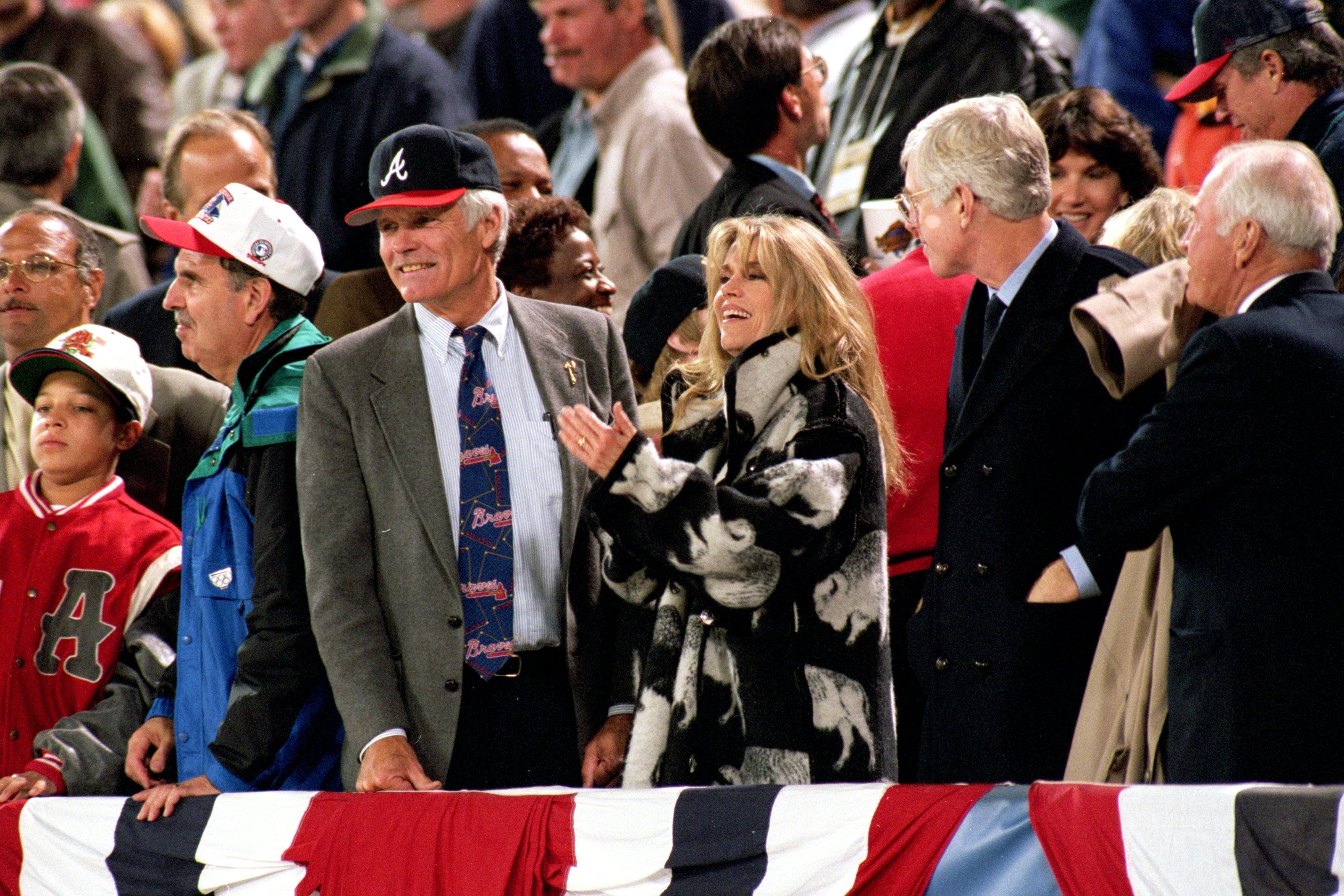 Turner, who was once married to actress Jane Fonda, owned the Atlanta Braves and helped establish the team as a national franchise (Getty Images)
Getty Images
Turner, who was once married to actress Jane Fonda, owned the Atlanta Braves and helped establish the team as a national franchise (Getty Images)
Getty Images
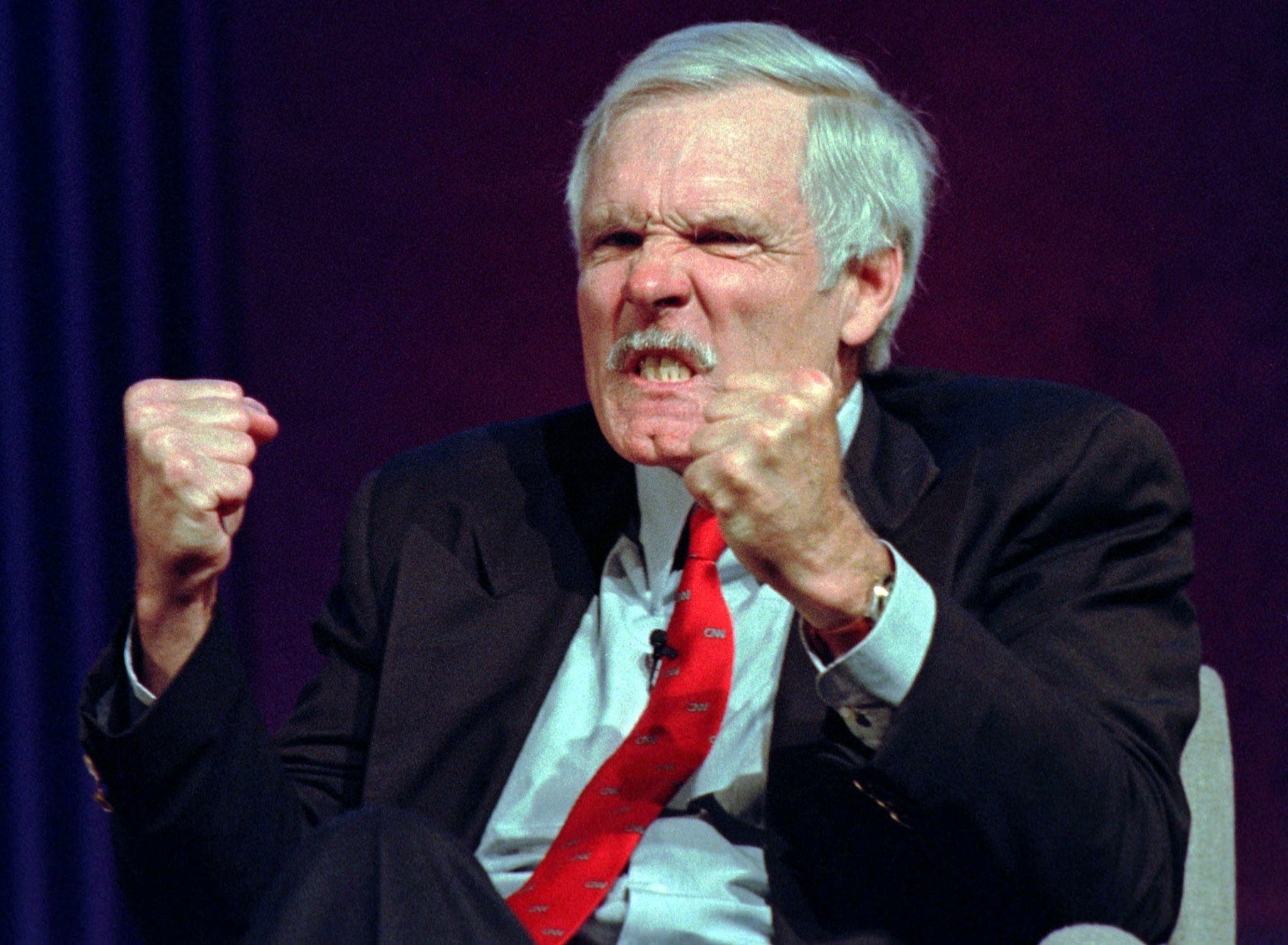 Turner was well-known for making brash statements that occasionally overshadowed his work. He once challenged fellow media mogul Rupert Murdoch to a fist fight (Reuters)
Reuters
Turner was well-known for making brash statements that occasionally overshadowed his work. He once challenged fellow media mogul Rupert Murdoch to a fist fight (Reuters)
Reuters
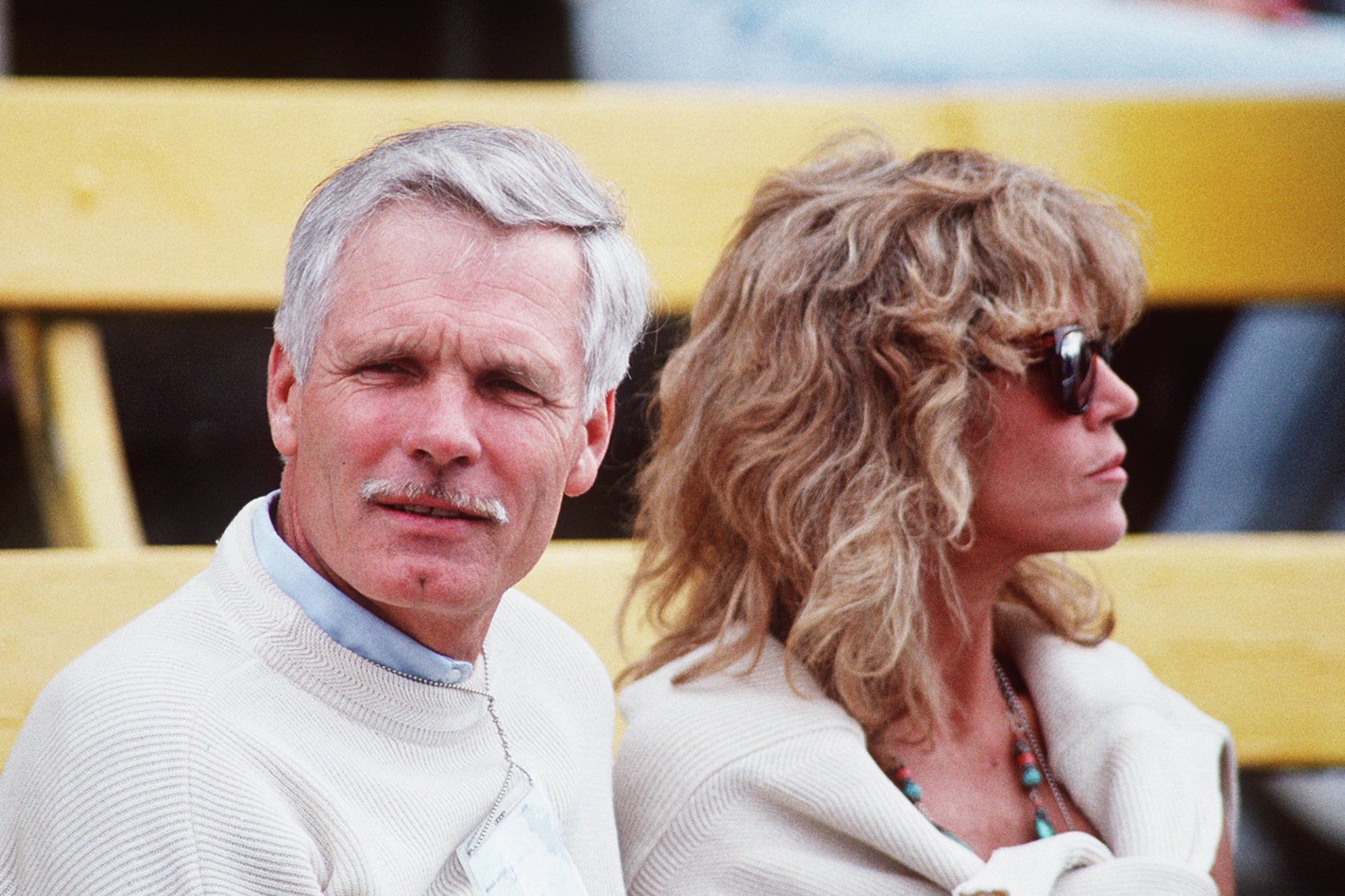 Fond and Turner divorced after roughly 10 years of marriage (Getty)
Getty
Fond and Turner divorced after roughly 10 years of marriage (Getty)
Getty
Ted Turner built CNN on debt and satellite time, the network reports its founder has died at 87, his last years were marked by Lewy body dementia according to Turner Enterprises.
Turner launched CNN in 1980 as the first 24-hour news channel, a bet that required constant live reporting long before cable households were ubiquitous. The Independent reports that the early operation was mocked as the “chicken noodle network” and that Turner’s expansion nearly bankrupted him, a risk he openly acknowledged in later interviews. CNN’s defining commercial proof arrived in 1991 when it stayed in Baghdad during the Gulf War while other outlets pulled out, turning a single bureau’s willingness to remain into a global feed that cable operators could not match. That war coverage also showed what the model rewarded: the ability to be first, continuous, and everywhere, even when the underlying facts were scarce.
Turner’s earlier “superstation” idea—using satellites to beam a local Atlanta station to cable systems nationwide—was a technical workaround that became a business template. It turned distribution, not programming, into the scarce asset, and it made live news a product that could be sold every hour rather than once a day. As he added channels such as TNT, TBS and Cartoon Network, the same logic applied: fill the pipe, own the carriage relationships, and let advertising follow the audience’s habit rather than a single flagship show.
The incentives of the 24-hour format were visible early. Turner sued the Reagan administration for access to the White House press pool, treating official access as a competitive input rather than a civic courtesy. With constant airtime to fill, the value of proximity to power rose, and the cost of being frozen out became existential for a network built around “live” authority. Turner eventually sold CNN and other assets to Time Warner in 1996 for $7.5bn, the Independent notes, a transaction that converted a founder’s operational control into a corporate portfolio line.
Turner’s death also closes a loop on a media structure that outlived its creator. CNN’s brand was built on the promise that the feed never stops; its ownership after 1996 was built on the idea that the feed can be bundled, traded and managed at scale. On Wednesday, the network that Turner once kept alive by borrowing against the future announced that its founder was gone.