
Nigeria and Ghana protest South Africa anti-migrant marches
Operation Dudula and March to March blamed for harassment and looting, evacuation flights begin as neighbours threaten retaliation
Images
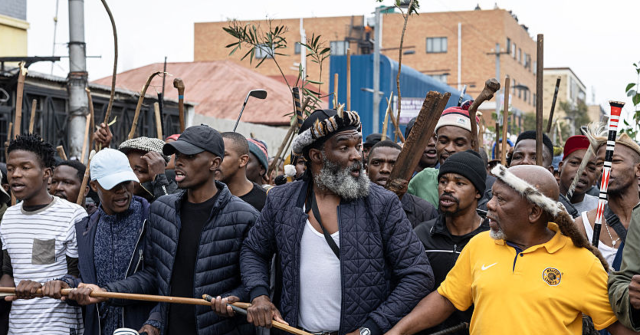 South Africa Anti-Migrant Protests Trigger Outrage in Nigeria, Ghana, and Mozambique
breitbart.com
South Africa Anti-Migrant Protests Trigger Outrage in Nigeria, Ghana, and Mozambique
breitbart.com
Nigeria and Ghana have demanded answers from South Africa after a new wave of anti-migrant marches and street-level harassment, while Mozambique’s government says it has been invited to talks with President Cyril Ramaphosa about attacks on foreign nationals. Breitbart reports that the demonstrations—organised by groups including March to March, formed by radio personality Jacinda Ngobese-Zuma, and Operation Dudula, which describes itself as a “vigilante group”—drew hundreds of mostly black participants and included scuffles with police. The report says there have been at least two fatalities linked to anti-migration riots, and that migrants from other African countries say their businesses have been looted.
The diplomatic fallout is being driven less by speeches than by images and paperwork. A viral video from a demonstration two weeks ago showed men surrounding and harassing a Ghanaian national, demanding documents, rejecting their authenticity, and telling him to “fix his country,” according to Breitbart. Ghana summoned South Africa’s ambassador to complain about “acts of intimidation and harassment,” then publicly confirmed the man in the video was legally in the country. Nigeria, meanwhile, lodged a complaint on Monday and asked for case files, autopsy reports and other documents tied to attacks on Nigerians—requests that assume the state can identify perpetrators, preserve evidence and produce credible investigations in politically charged street violence.
Ramaphosa has condemned violence while stressing the importance of proper documentation for migrants, a formulation that leaves room for two audiences to hear what they want. For local organisers, “documentation” is a slogan that turns economic frustration into a demand for raids and removals; for neighbouring governments, it is a warning that their citizens can be treated as suspect even when they have papers. When enforcement is sporadic, informal groups fill the gap: they check documents on camera, decide what looks “real,” and create their own penalties. The state then inherits the international consequences without controlling the method.
The retaliatory logic is already visible at the border. Breitbart reports that Mozambican youth groups have threatened to block South African trucks in response to the anti-migration movement. Nigeria’s foreign minister, Blanca Odumegwu-Ojukwu, announced evacuation flights for at least 130 Nigerians who want to leave South Africa, with the number expected to rise.
South African police have promised that xenophobic violence and intimidation will not be tolerated. Nigeria is asking for the paperwork that would prove it.