
WHCA dinner shooting suspect indicted in Washington
Prosecutors add assault on federal officer charge, security failure debated through court filings not public audits
Images
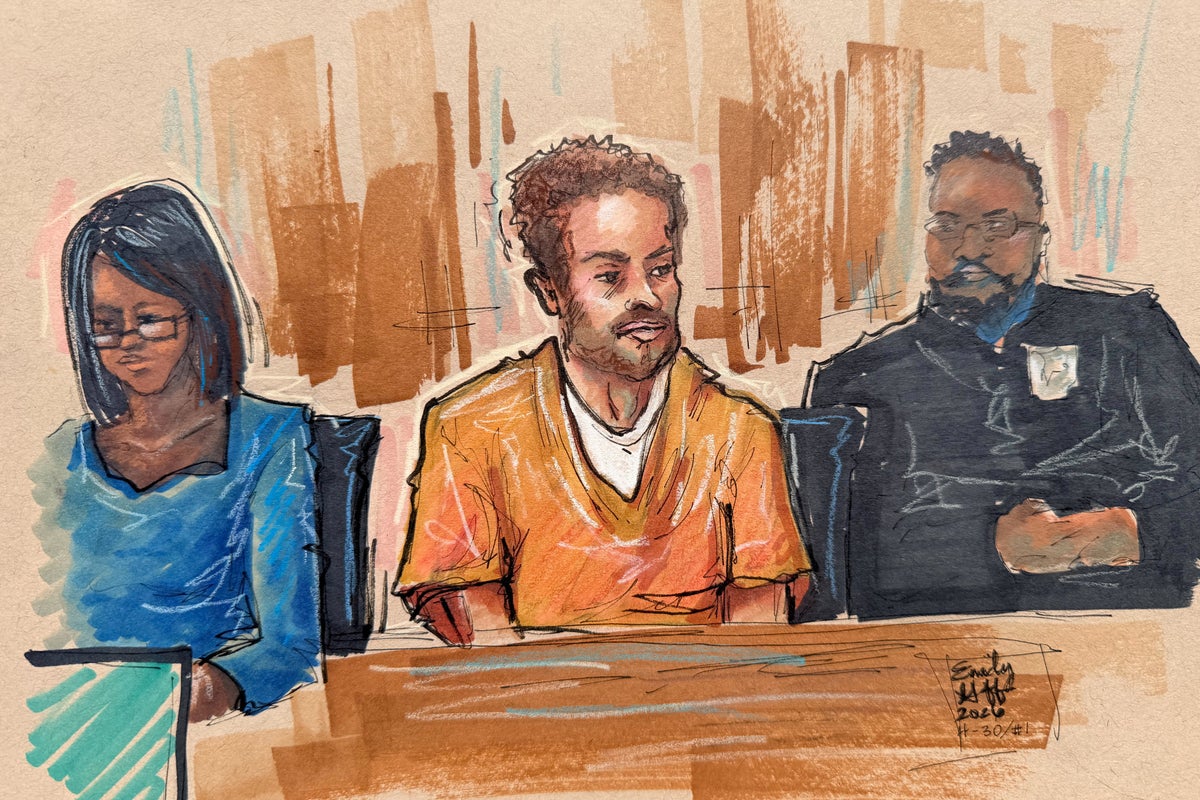 White House Correspondents’ dinner suspect faces four-count grand jury indictment
independent.co.uk
White House Correspondents’ dinner suspect faces four-count grand jury indictment
independent.co.uk
Federal prosecutors in Washington have secured a four-count grand jury indictment against Cole Allen over the shooting at the White House Correspondents’ Association dinner, according to the Independent. The incident on 25 April triggered an immediate security and political shock because Allen is accused of trying to kill President Donald Trump and other administration officials. If convicted, he faces life in prison; he is due back in court on 11 May.
The indictment expands the case beyond the initial Justice Department charges by adding an allegation of assaulting a federal officer with a deadly weapon, the Independent reports. Prosecutors also charged Allen with transporting firearms and ammunition with intent to commit a felony, and carrying a firearm to commit a crime of violence. The charging mix matters less for the public narrative than for how the state prices failure: when an attacker allegedly “stormed through security with firearms and knives,” the legal response becomes a proxy for an operational review that is largely kept offstage.
High-profile events like the correspondents’ dinner are designed as controlled environments—credentialing, magnetometers, layered perimeters—where the reputational cost of a breach lands on the agencies tasked with prevention. An indictment cannot answer the practical questions that follow any breach: what warnings were missed, which contractor or unit had responsibility at each checkpoint, and how quickly procedures will tighten for everyone else. In the US system, those answers often emerge later as budget line-items and new screening authorities, while the underlying failure is litigated in court filings that focus on the defendant, not the perimeter.
The case also arrives in a period when political violence is increasingly treated as a permanent feature rather than an exception, with more resources flowing to protection and fewer details shared publicly about threat assessments. The dinner was meant to be a showcase of access and normality; it is now another reason to expand the security state around political life.
Allen’s next court date is 11 May. The dinner he allegedly breached will still be on next year’s calendar.