
Explosive drone attack drives Ecuador fishermen into foreign custody
Don Maca crew describe English-speaking armed men and a blue ship destroyed at sea, US strike campaign expands while jurisdiction stays blurry
Images
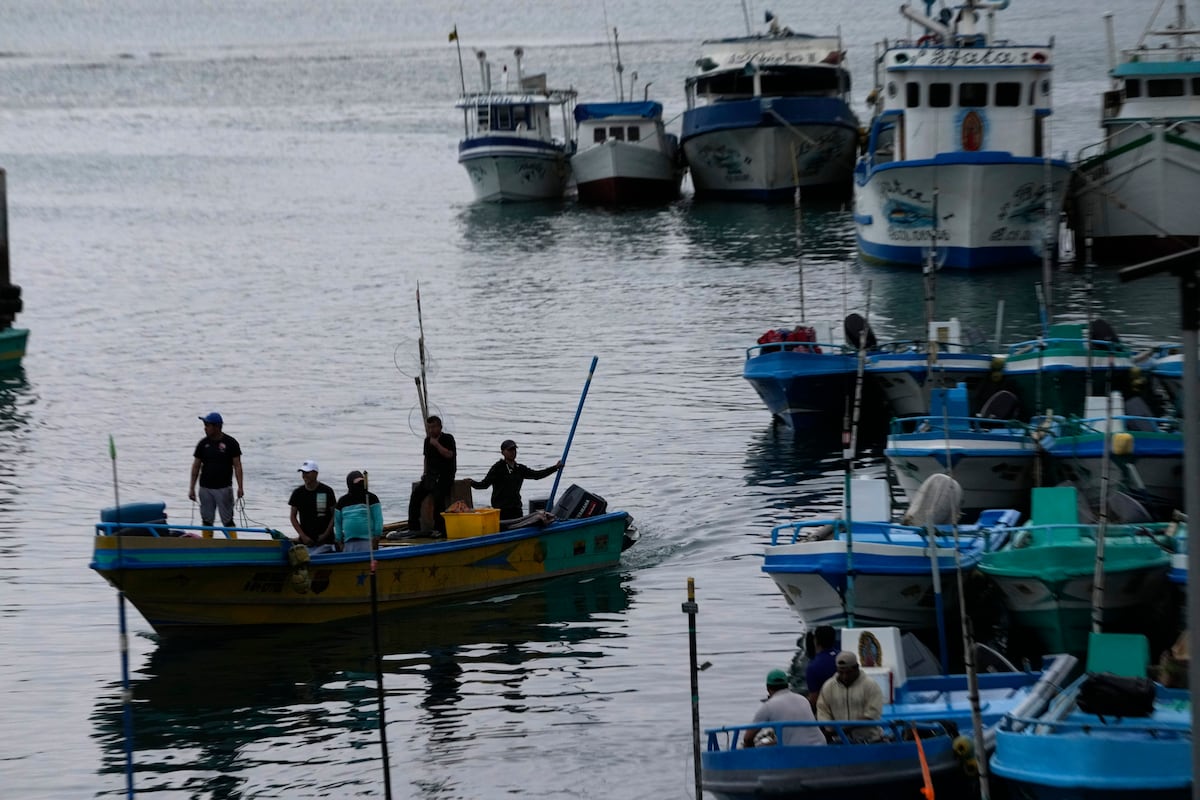 Drones carrying explosives and a mysterious blue merchant ship: The terror stalking Ecuadorian fishermen
english.elpais.com
Drones carrying explosives and a mysterious blue merchant ship: The terror stalking Ecuadorian fishermen
english.elpais.com
 bnonews.com
 bnonews.com
 bnonews.com
 bnonews.com
 bnonews.com
Ecuadorian longline fishermen say their boat was hit by explosive drones on March 26 near the Galápagos, before a blue container ship appeared and armed men speaking English took the crew aboard. According to El País, the vessel Don Maca suffered two blasts, after which the crew fled in skiffs toward the larger ship, only to be handcuffed, hooded and held at gunpoint while the blue ship was later destroyed.
The account reads less like a conventional piracy case than an offshore enforcement campaign run outside Ecuador’s chain of command. The crew say men “dressed as soldiers” asked how many they were and whether anyone was wounded, then offered no medical care beyond containment. They were kept exposed on the bow overnight and eventually transferred not to Ecuador’s coast guard but to a Salvadoran maritime patrol boat, arriving days later at a military checkpoint in San Salvador before being deported.
El País places the episode inside a wider pattern of lethal interdictions at sea. Since September 2025, the United States has carried out at least 54 attacks against suspected drug-trafficking vessels in the Caribbean and eastern Pacific, the paper reports, resulting in 185 deaths. BNO News, citing U.S. Southern Command, describes the campaign—Operation Southern Spear—as a sequence of “lethal kinetic strikes” on boats said to be operated by “Designated Terrorist Organizations”, with SOUTHCOM saying 56 vessels have been struck since the launch.
That framing matters because it changes the incentives for everyone on the water. Fishermen operating near trafficking routes become potential collateral: a drone’s camera and a drone’s warhead look identical until the moment they do not. For traffickers, the response is to move faster, blend into legitimate fleets, and push risk onto crews and small operators who can be replaced. For governments, an offshore strike program offers visible action and body counts without the slower work of building cases, cleaning ports, and prosecuting the officials who sell permits and protection.
The Don Maca crew say they have not returned to sea, citing fear and the loss of permits. The immediate result of a destroyed boat is measurable; the longer-term result is a coastline where people stop fishing because they cannot tell whether the next ship is a rescuer or a targeter.
The fishermen’s question—why foreigners, not Ecuadorians, took custody of them—still has no public answer. Their boat did not make it back to port.