
Cuba and Colombia emerge as Russian army recruitment hubs
FIDH report cites Ukrainian intelligence on foreign fighter surge, social media job ads feed contracts with high early death rates
Images
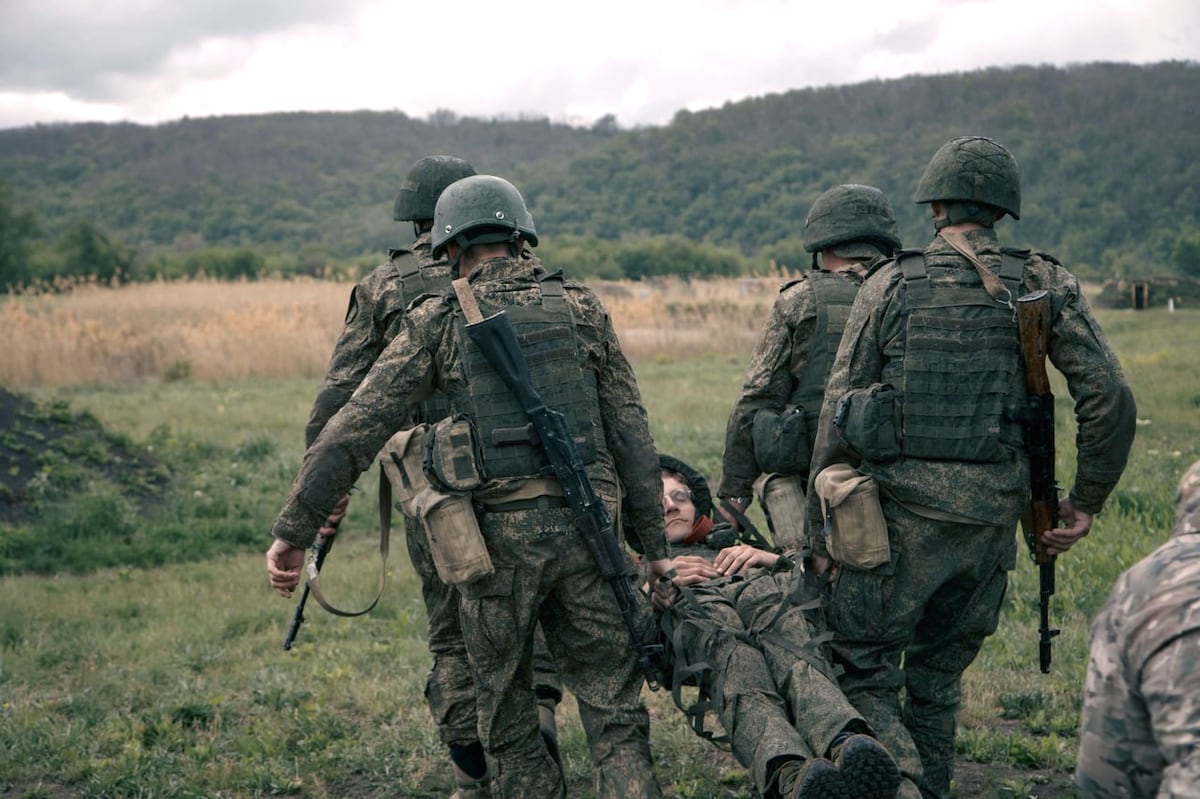 Cuba and Colombia, the main recruitment hubs for the Russian army in Latin America
english.elpais.com
Cuba and Colombia, the main recruitment hubs for the Russian army in Latin America
english.elpais.com
Cuba and Colombia have become the main Latin American recruitment hubs for Russia’s army, according to a new report by the International Federation for Human Rights (FIDH) and two partner organisations cited by El País. The report, drawing on Ukrainian intelligence, estimates that 18,000 foreigners are fighting in Russian ranks and that overseas recruitment rose by 30% between September 2025 and February 2026. It also claims as many as 20,000 Cuban citizens have been contracted by the Russian military.
The mechanics described are less ideological than transactional. Russia has simplified visas and fast-tracked citizenship for foreigners who sign contracts of at least a year, while advertising pay from roughly €3,000 a month and one-off bonuses up to €30,000. For recruits coming from economies where hard currency is scarce and the state controls most formal employment, those figures are not a patriotic appeal so much as an exit option.
The report’s casualty estimates show what the offer buys. It says 3,388 foreign fighters have been killed, and that recent reporting suggests roughly one in five foreign recruits die in combat, with nearly half of deaths occurring within the first four months of deployment. Ukrainian intelligence, cited by the report, puts the average survival time for Cuban recruits at about 150 days. El País reports that many are assigned to high-risk assault units with limited training, a pipeline where the contract is signed far from the front but the cost is paid quickly.
In Cuba, recruitment is described as blending into ordinary labour migration. One Cuban prisoner of war interviewed by the investigative outlet Truth Hounds said he answered a Facebook offer for a civilian job that required only a digital form; he was promised €1,700 but discovered on arrival that the offer was a scam. Colombia’s role is different: the country has decades of internal conflict and a large pool of trained veterans, and El País notes it is among the world’s biggest exporters of mercenaries, with companies often founded by high-ranking former officers.
For Moscow, Latin America is not just a distant manpower reservoir; it is a place where recruitment networks can operate in the seams between weak labour markets, social media advertising, and governments that benefit from remittances and reduced domestic pressure. For Havana, every citizen who leaves for the battlefield is also one fewer person in the ration lines.
The report’s numbers are disputed by design—intelligence estimates rarely come with public payrolls—but the recruitment ads are public. The paperwork starts on Facebook and ends in a one-year contract signed in Russia.