
Venezuela central bank resumes inflation data after decade-long blackout
US sanctions relief brings external auditors into BCV operations, the first export is numbers not oil
Images
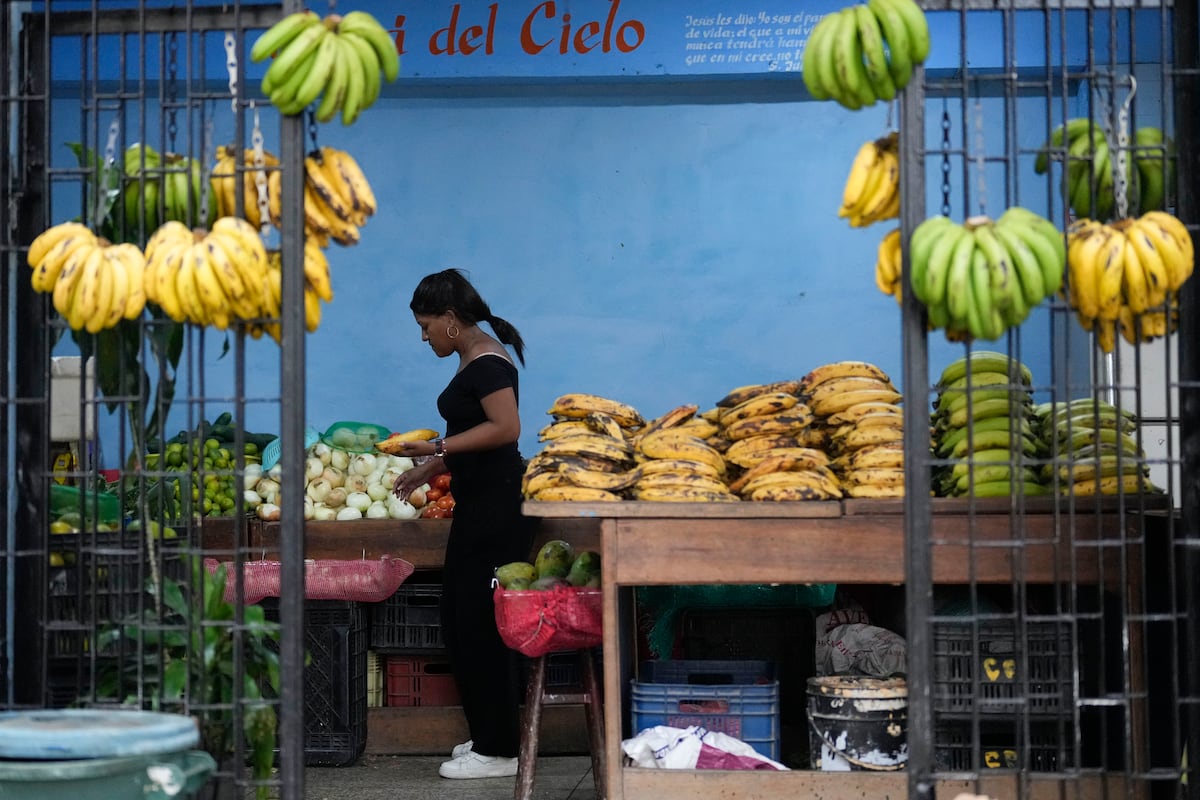 US intervention ends a decade of statistical silence in Venezuela
english.elpais.com
US intervention ends a decade of statistical silence in Venezuela
english.elpais.com
Venezuela’s central bank has begun publishing inflation and other key indicators again after nearly a decade of official statistical silence, according to El País. The Banco Central de Venezuela (BCV) now lists monthly inflation of 32% in January, 14.6% in February and 13.1% in March, with year-on-year inflation in March at 649.5%. The releases come as the government in Caracas tries to stabilise the economy after a US military intervention and a fresh reset of Venezuela’s links to international finance.
El País reports the BCV largely stopped publishing comprehensive data as early as 2016, before hyperinflation and the country’s debt default turned missing numbers into a political tool. Multilateral bodies and private analysts filled parts of the gap, while the government issued occasional partial figures. Now the BCV has updated historical series and restarted regular publication, a shift that coincides with Washington lifting sanctions on the BCV that had been imposed in 2019.
The reopening is not framed as a voluntary transparency drive. In a joint statement cited by El País, the US and Venezuela said they have hired external auditors to oversee the BCV’s management of financial resources, including international reserves, monetary operations and foreign-exchange market interventions. Soon after the sanctions relief, the central bank’s leadership changed: Laura Guerra, a petroleum engineer and Nicolás Maduro’s former sister-in-law, resigned as president, and Luis Pérez González took over on an interim basis.
For Venezuela, the numbers are a passport back into systems it previously walked away from. El País notes the country stopped complying with IMF Article IV reporting requirements in 2004, and Hugo Chávez expelled IMF staff and closed the fund’s local office in 2007. With the BCV publishing again, the World Bank’s open-data platform has also been updated, now including Venezuelan data through at least 2024; previously, it had little beyond 2011.
The data itself sketches the arc of decline in a way that is hard to negotiate around. World Bank figures cited by El País show GDP per capita falling from about $13,000 in 2012 to roughly $4,300 in 2024, with the contraction beginning in 2012—before the first individual US sanctions in 2014 and broader measures in 2017. In that timeline, sanctions become one pressure among several, not the starting gun.
The BCV can publish numbers quickly; rebuilding credibility takes longer. Venezuela’s inflation prints, its exchange-rate promises and its new auditors will now be watched by creditors and counterparties who have spent years pricing the country as unknowable.
After a decade of missing data, the first thing Venezuela is exporting again is a monthly spreadsheet.