
Oil jumps as Trump plans extended Iran port blockade
Peace talks in Islamabad scrapped and Tehran tightens Hormuz transit, Europe pays the premium through fuel and markets
Images
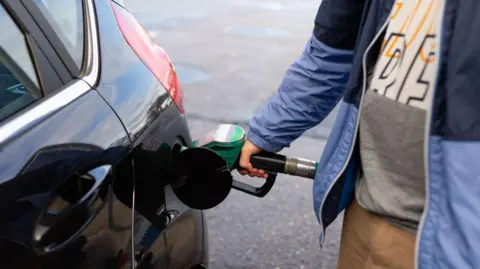
 Crude oil is a key ingredient in petrol and diesel
bbc.com
Crude oil is a key ingredient in petrol and diesel
bbc.com
 Crude oil is a key ingredient in petrol and diesel
bbc.com
Crude oil is a key ingredient in petrol and diesel
bbc.com
 Trump warns Iran to 'get smart soon’ as US plans long port blockade
euronews.com
Trump warns Iran to 'get smart soon’ as US plans long port blockade
euronews.com
Brent crude traded around $115 a barrel on Wednesday after the Wall Street Journal reported that President Donald Trump has told aides to prepare for an extended blockade of Iran’s ports. The BBC reports the benchmark had closed a little above $110 the previous evening, and was still above $114 before midday in London as markets priced in a longer disruption. Euronews adds that a second round of US-Iran talks planned for Islamabad was shelved after Trump ordered envoys not to attend.
The mechanics of the confrontation are blunt. The US Navy’s blockade, imposed on 13 April and described by US Central Command as covering the entirety of Iran’s coastline, is meant to choke oil exports and force Tehran into a deal that would curb uranium enrichment. Iran’s answer has been to restrict passage through the Strait of Hormuz, the narrow route that normally carries about a fifth of global oil and liquefied natural gas, turning a regional war into a tollbooth on the world economy. BBC Verify said at least four vessels tracked from Iranian ports appeared to cross the blockade line anyway, a sign that enforcement is porous and that some shippers are willing to gamble on selective passage rather than a full stop.
For Europe, the costs show up first in prices and then in politics. European equities fell as oil climbed: the FTSE 100 was down 0.76% and the pan-European Stoxx index fell about 0.4% by midday, according to the BBC. The World Bank, cited by the BBC, has modelled a 24% surge in energy prices in 2026 to the highest level since Russia’s full-scale invasion of Ukraine if the sharpest Iran-war disruptions end in May; traders are now moving the other way, betting the disruption will last. Arne Lohmann Rasmussen of Global Risk Management told the BBC the market is shifting toward an assumption that there will be neither a quick peace nor an immediate reopening of Hormuz.
Washington’s leverage is obvious: the US can impose a blockade and absorb the diplomatic blowback at home, while allies import the inflation. Trump’s public messaging has been calibrated for domestic consumption — telling Iran to “get smart soon” and posting on Truth Social — while Euronews reports he told Fox News he would not send officials on an 18-hour flight “to talk about nothing.” Tehran, meanwhile, points to alternative trade routes and a capacity to endure sanctions, but the currency market is already marking the damage: Euronews cites unofficial benchmarks showing the rial at roughly 1.80 million to the dollar, weaker than when the war began.
The Strait of Hormuz has been “effectively closed for weeks,” the BBC reports. In the meantime, oil is being priced not just by supply and demand, but by how long a navy can keep ships from docking and how long a coastal state can keep ships from passing.