
Rare earth mining runoff contaminates Mekong tributaries in Thailand
AP reporting traces heavy metals to upstream Myanmar and Laos operations, export agriculture faces testing costs while regulators mostly monitor
Images
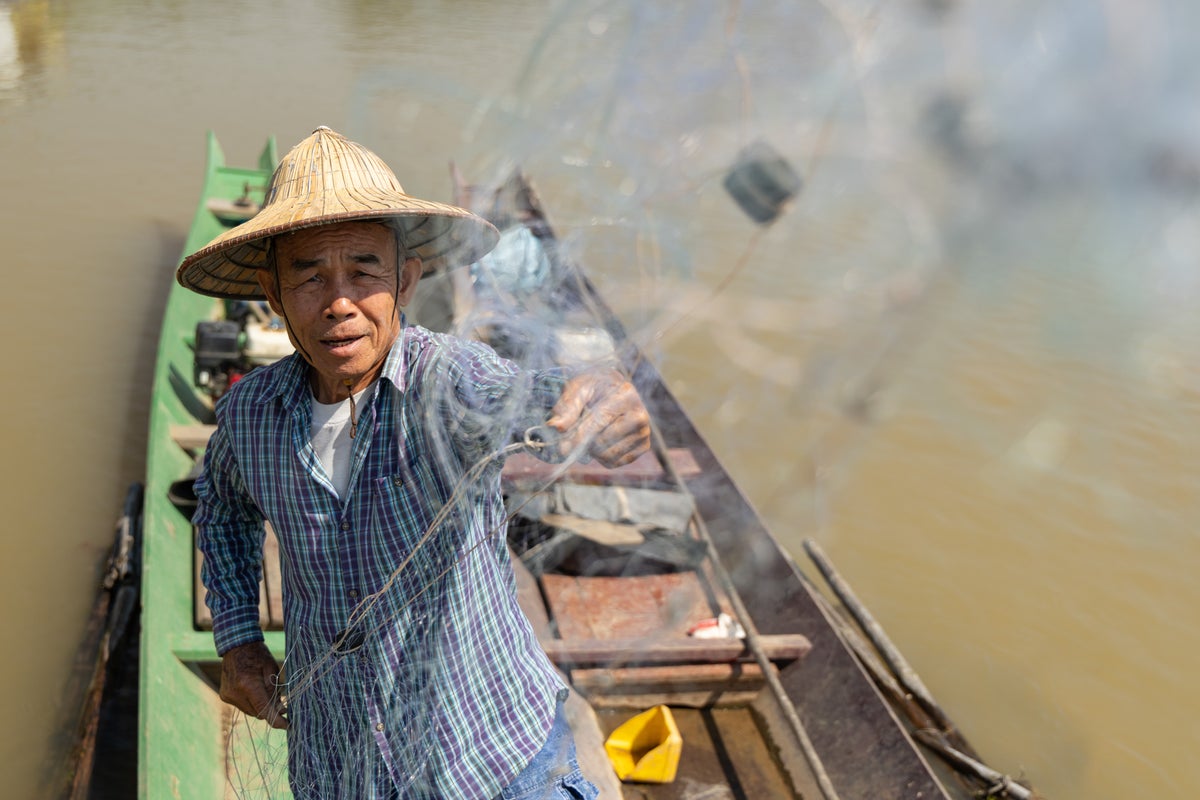 Rare earth mining is poisoning Mekong River tributaries, threatening 'the world's kitchen'
independent.co.uk
Rare earth mining is poisoning Mekong River tributaries, threatening 'the world's kitchen'
independent.co.uk
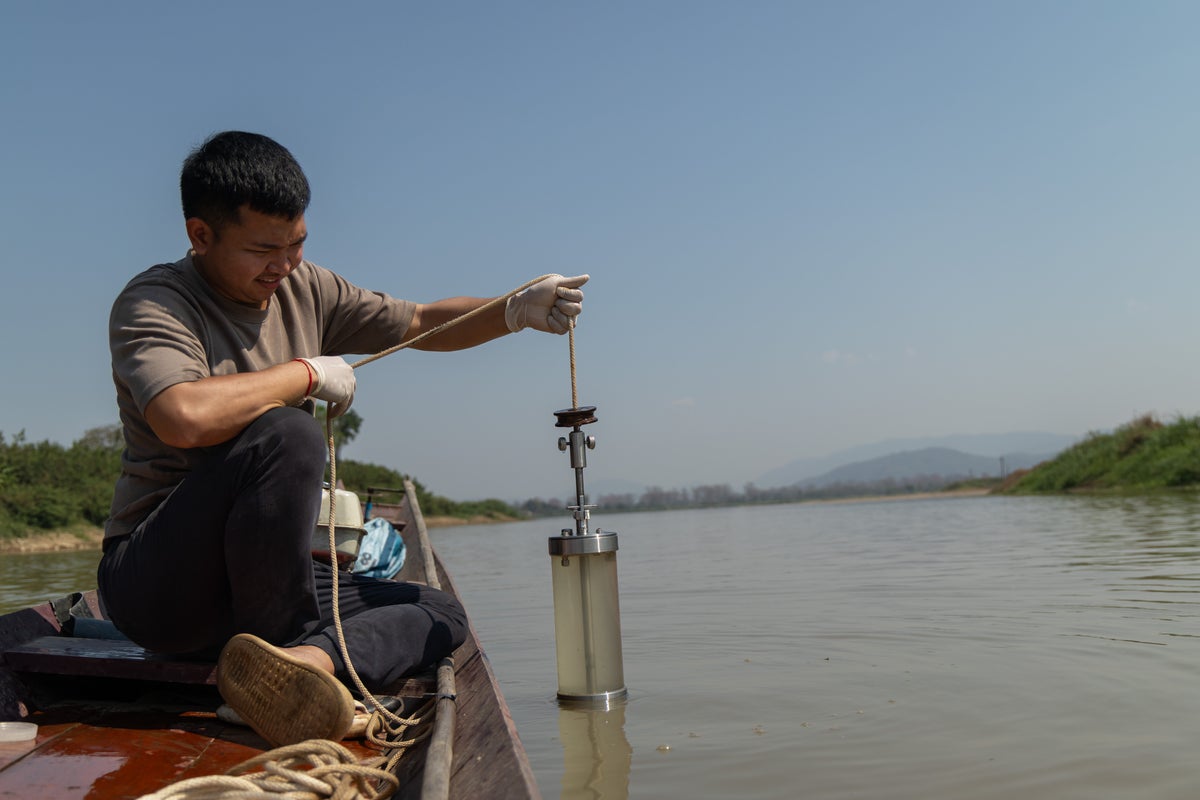 Photos show how toxic runoff from rare earth mines are risking Southeast Asia's rivers
independent.co.uk
Photos show how toxic runoff from rare earth mines are risking Southeast Asia's rivers
independent.co.uk
Photos and field reporting from northern Thailand show fishermen and farmers treating Mekong tributaries as suspect water, as rare earth mining runoff upstream in Myanmar and Laos drives heavy metal contamination fears. The Independent, citing Associated Press reporting, describes communities along the Kok River and other tributaries where residents have been warned to avoid using river water, while Thai scientists have recorded elevated levels of pollutants in water, fish and sediment.
The immediate story is local and practical: a fisherman in Chiang Saen says his catch is harder to sell because buyers worry the fish are contaminated; a farmer in Tha Ton irrigates rice and fruit fields from a river he believes is being poisoned. The larger system is transboundary and hard to police. Rare earth extraction is booming in conflict-hit Myanmar and spreading into Laos, the report says, with mining described as unregulated and enforcement complicated by smuggling and civil war. Thailand’s Pollution Control Department told AP that Bangkok’s response has focused on monitoring and public health messaging, constrained by limited expertise, information and funds—tools that document damage rather than stop it.
The basin’s dependency is vast. The Mekong runs nearly 5,000 kilometres from China through mainland Southeast Asia, and the Independent reports roughly 70 million people depend on it for farming and fisheries. Heavy metals cited in the runoff—arsenic, mercury, lead and cadmium—are not pollutants that dilute into harmlessness; they accumulate, moving from sediment to fish to humans and into export supply chains. Thailand’s food sector is one of the region’s big hard-currency earners, and the report notes more than $10 billion in Thai rice and fruit exports in 2024, with the United States the top importer of Thai rice.
That is where a local contamination problem becomes an international trade risk. If importing countries begin demanding proof that rice and produce are free of heavy metals, small farmers face costs they cannot absorb: testing, certification, changed irrigation, or abandoning river-fed agriculture altogether. One Mekong advocate quoted by the Independent warns that toxin accumulation in rice exports could collapse parts of Thailand’s rice industry; another says younger generations may be pushed toward cities if farming becomes non-viable.
The Mekong is already crowded with competing uses—dams, sand mining and plastic pollution are listed alongside mining runoff—yet rare earths carry a strategic premium that tends to override local objections. Downstream, Cambodia and Vietnam have little leverage over what happens upstream, while Thailand says it has limited ability to influence mining in neighbouring states.
In Chiang Rai province, the response so far is measurement and warning signs. The mines that may be driving the readings sit across borders that the river does not recognise.