
Deaths of CIA officers in Chihuahua deepen US-Mexico rift
Sheinbaum demands clarity on unauthorised operations as Trump team signals corruption crackdown, USMCA review talks approach with leverage shifting to visas and courts
Images
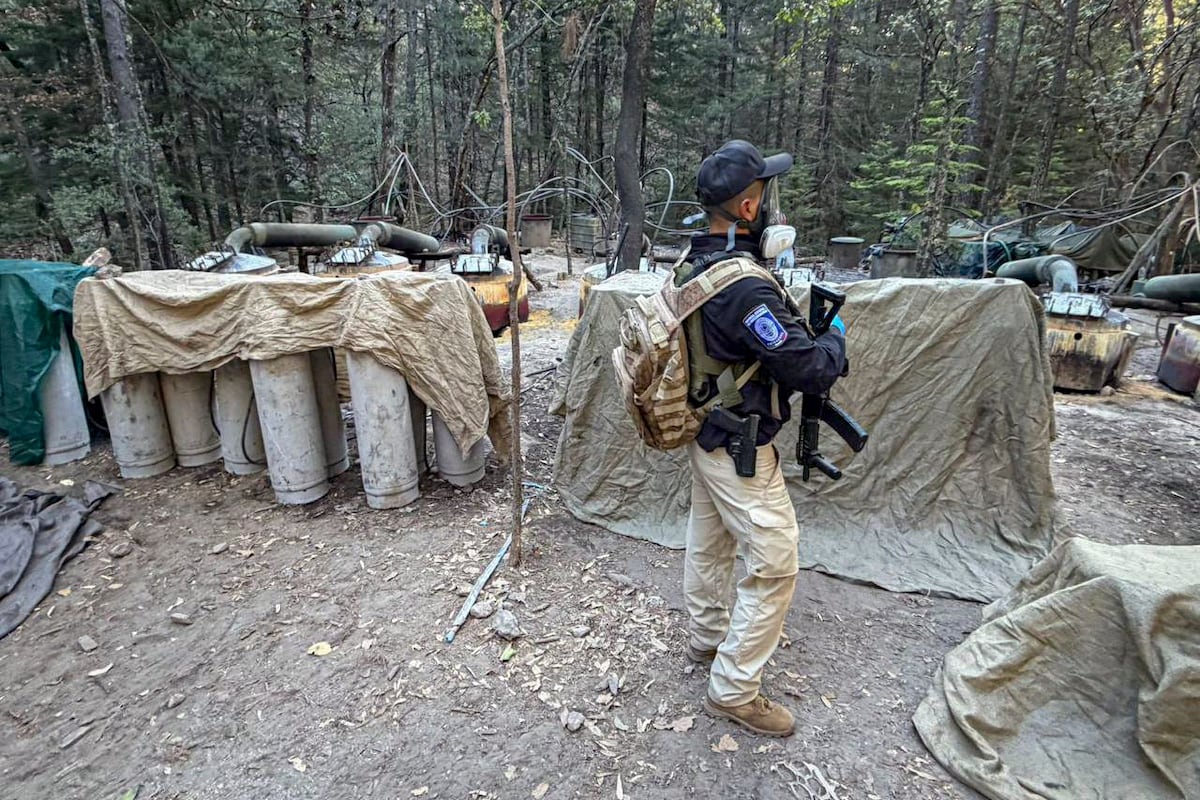 New rift in US-Mexico relationship over CIA presence and pressure on corrupt politicians
english.elpais.com
New rift in US-Mexico relationship over CIA presence and pressure on corrupt politicians
english.elpais.com
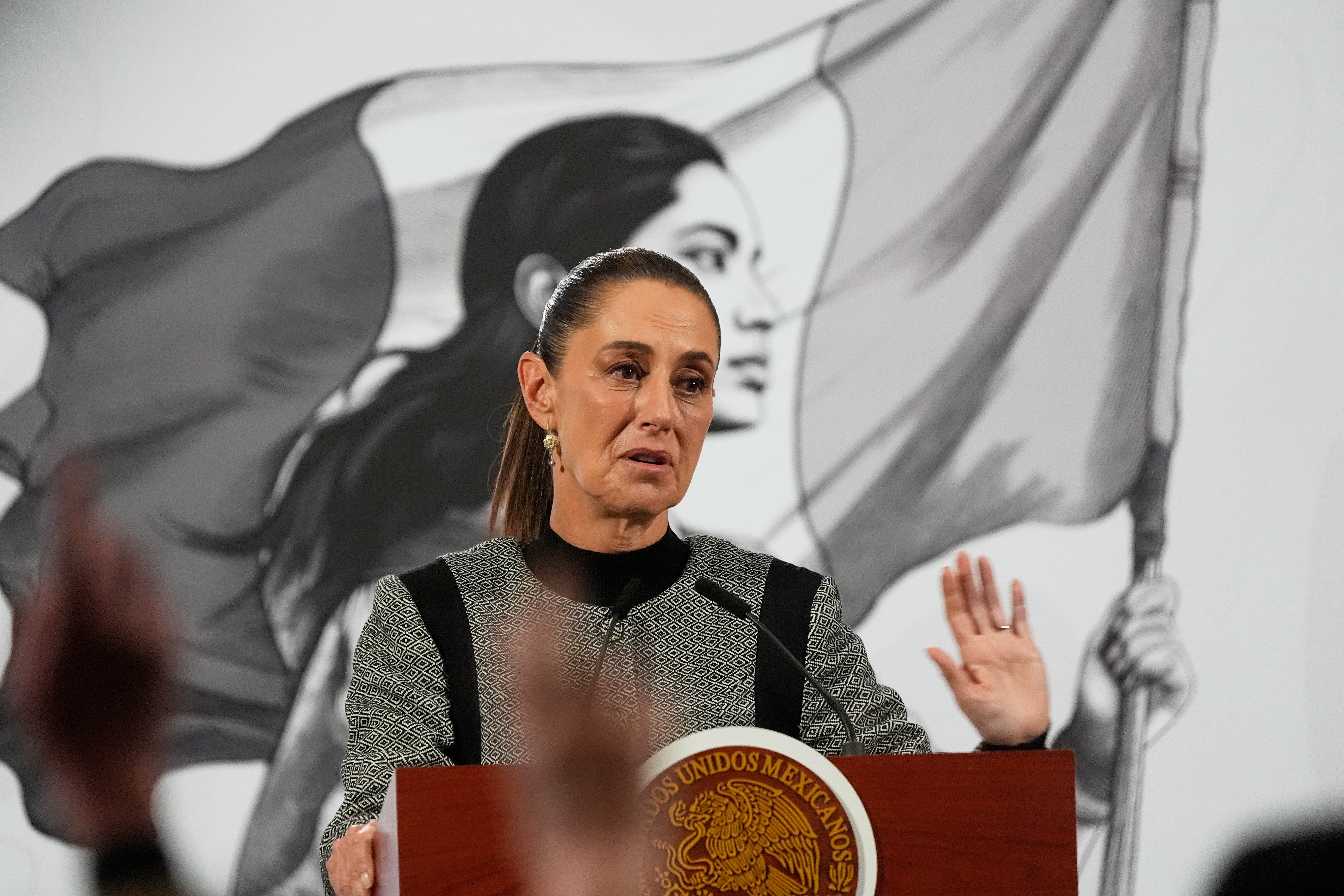 Mexico US Embassy Deaths (Copyright 2025 The Associated Press. All rights reserved.)
independent.co.uk
Mexico US Embassy Deaths (Copyright 2025 The Associated Press. All rights reserved.)
independent.co.uk
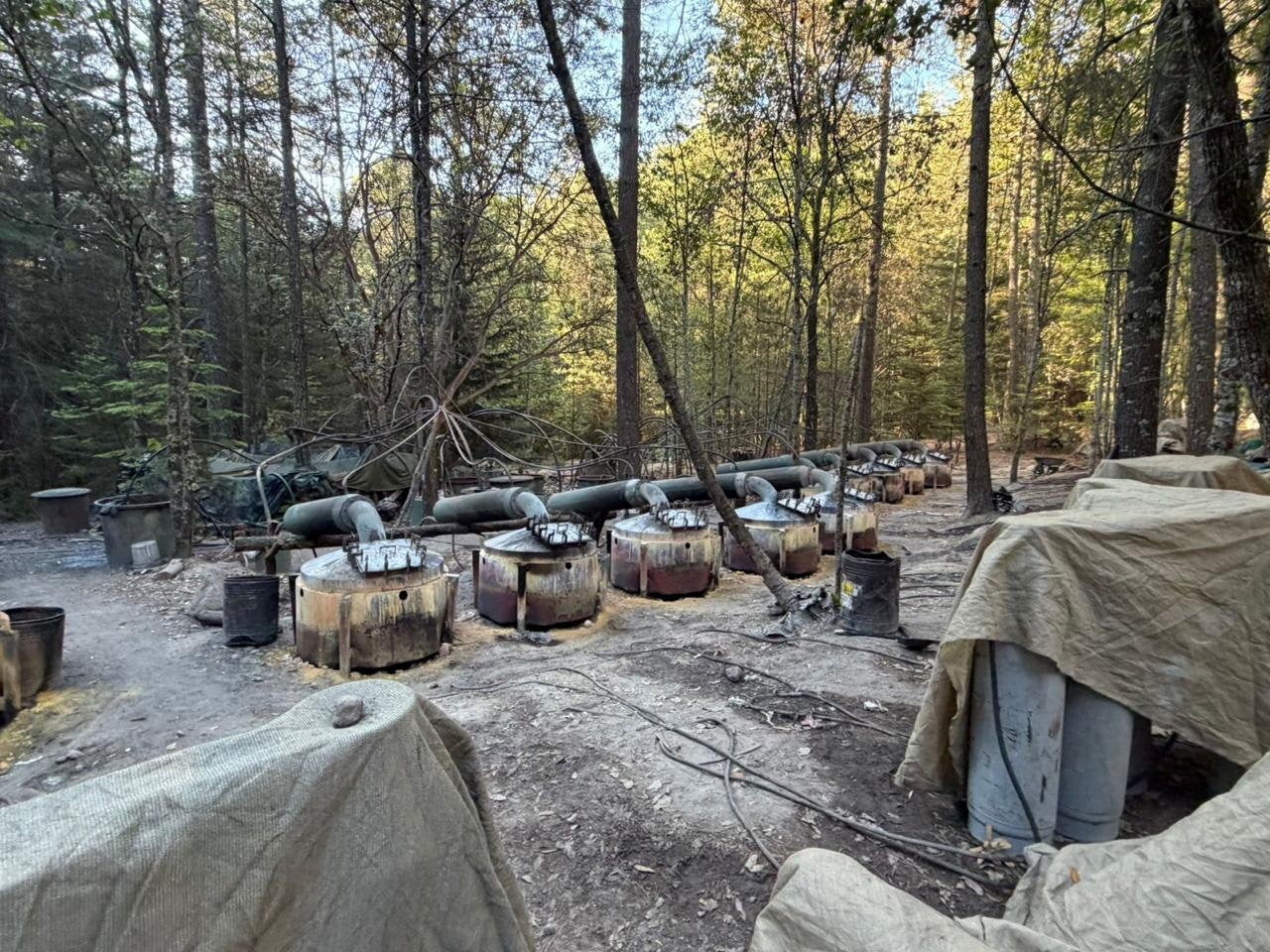 A suspected clandestine methamphetamine processing lab, according to the Attorney General's Office of Chihuahua, discovered during an operation by Mexican authorities (Reuters)
Reuters
A suspected clandestine methamphetamine processing lab, according to the Attorney General's Office of Chihuahua, discovered during an operation by Mexican authorities (Reuters)
Reuters
Two CIA officers died in a vehicle crash in Mexico’s Chihuahua state on April 19, an incident that Mexican authorities say they had not authorised and that Washington has not publicly explained. According to El País, the accident triggered the resignation of Chihuahua’s attorney general days later and reopened an old argument in Mexico City: how much US intelligence activity is taking place on Mexican soil, and under what rules. President Claudia Sheinbaum has demanded clarification, while the CIA has declined to comment, the Independent reports.
The timing is awkward for both capitals. Mexico is heading into formal negotiations to review the USMCA trade agreement at the end of May, a process Sheinbaum has described as a top priority for her government, according to El País. At the same time, US Ambassador Ronald Johnson has been touring violence-hit Sinaloa and publicly linking investment security to a “corruption-free environment,” adding that “significant action” may soon follow. The Los Angeles Times, cited by El País, reports the Trump administration is preparing a tougher campaign against Mexican politicians suspected of ties to organised crime, including visa cancellations and potential criminal complaints in US courts.
Mexico’s response has been to insist on process and jurisdiction. Sheinbaum has said any investigation into Mexican officials must be backed by “proof and evidence,” and that Mexico “will not cover up” corruption where evidence exists—while also suggesting the United States should examine corruption on its own side. The Independent adds that Mexico’s security ministry says one of the deceased officers entered as a visitor and the other used a diplomatic passport, and that the government was unaware foreign agents were operating in the country. In practice, the dispute is less about whether US agencies collect intelligence in Mexico—something long taken for granted—than about who gets to set the terms when cases involve elected officials, cross-border money flows, and trade leverage.
The crash also lands amid Mexico’s renewed focus on cartel leadership arrests and internal security operations, a strategy that produces headline results but routinely shifts violence to new factions and new territories. When US pressure concentrates on “clean” investment climates and visible anti-corruption moves, Mexican politicians face a choice between cooperating with external demands or defending sovereignty in public and managing the fallout in private. The costs are not evenly distributed: Washington can threaten visas and market access, while Mexican state officials absorb the immediate security risk when clandestine operations surface.
Chihuahua’s governor María Eugenia Campos and state officials have been called to testify in Mexico City, the Independent reports. For now, the clearest fact is that two US intelligence officers travelled through northern Mexico under different entry statuses—and their presence only became a bilateral issue after they were dead.