
Iran offers to reopen Strait of Hormuz
Proposal ties shipping access to ending US blockade while nuclear talks are deferred, oil and insurance markets do the counting
Images
 Iran to reopen Strait of Hormuz if US lifts blockade, reports claim
euronews.com
Iran to reopen Strait of Hormuz if US lifts blockade, reports claim
euronews.com
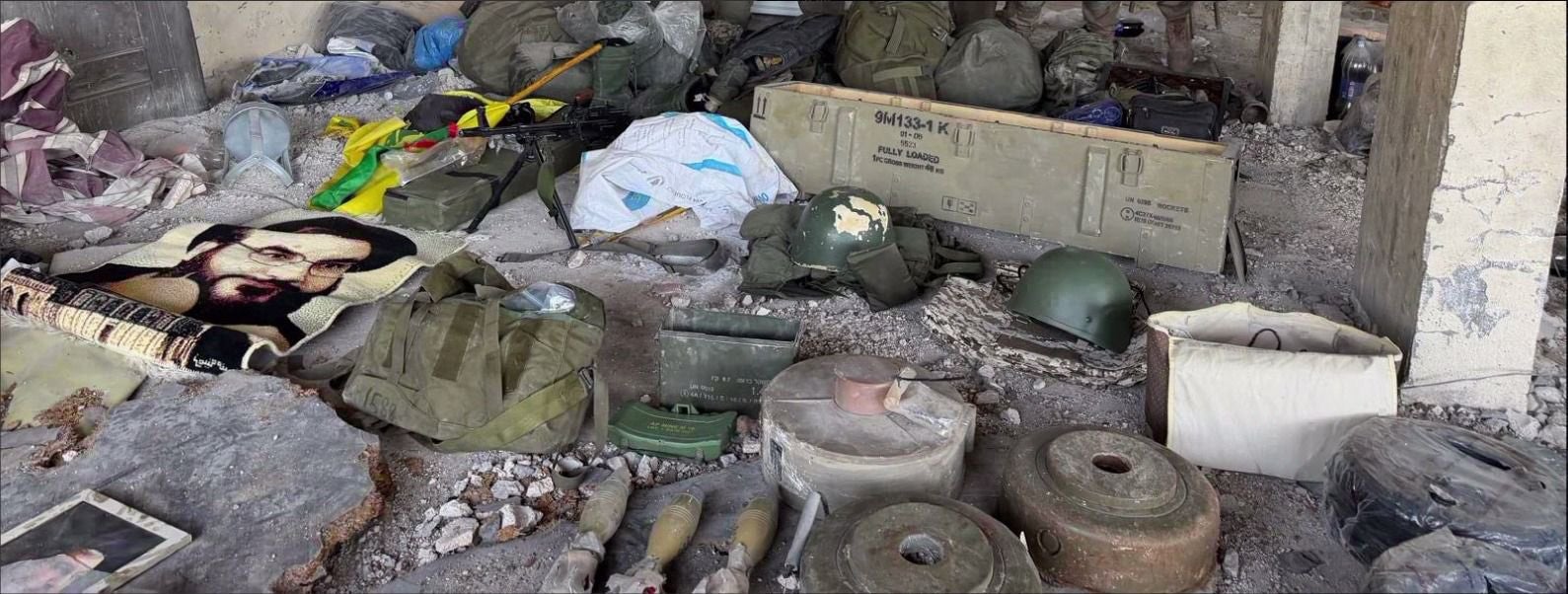 The IDF claimed to have located hundreds of weapons in Hezbollah sites (IDF)
IDF
The IDF claimed to have located hundreds of weapons in Hezbollah sites (IDF)
IDF
 IDF
IDF
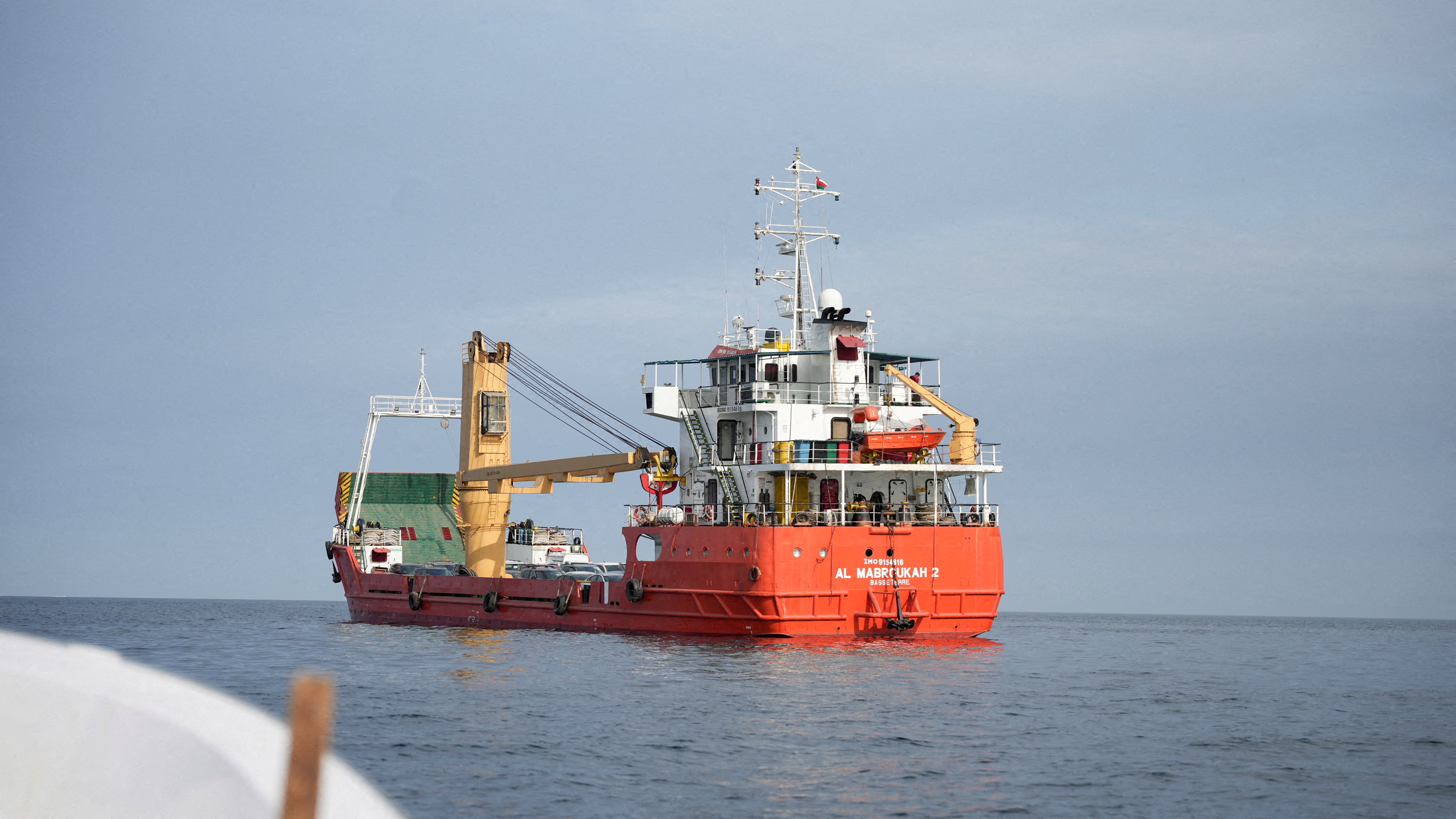 File. A vessel at the Strait of Hormuz, off the coast of Oman’s Musandam province, 12 April 2026 (Reuters)
Reuters
File. A vessel at the Strait of Hormuz, off the coast of Oman’s Musandam province, 12 April 2026 (Reuters)
Reuters
 independent.co.uk
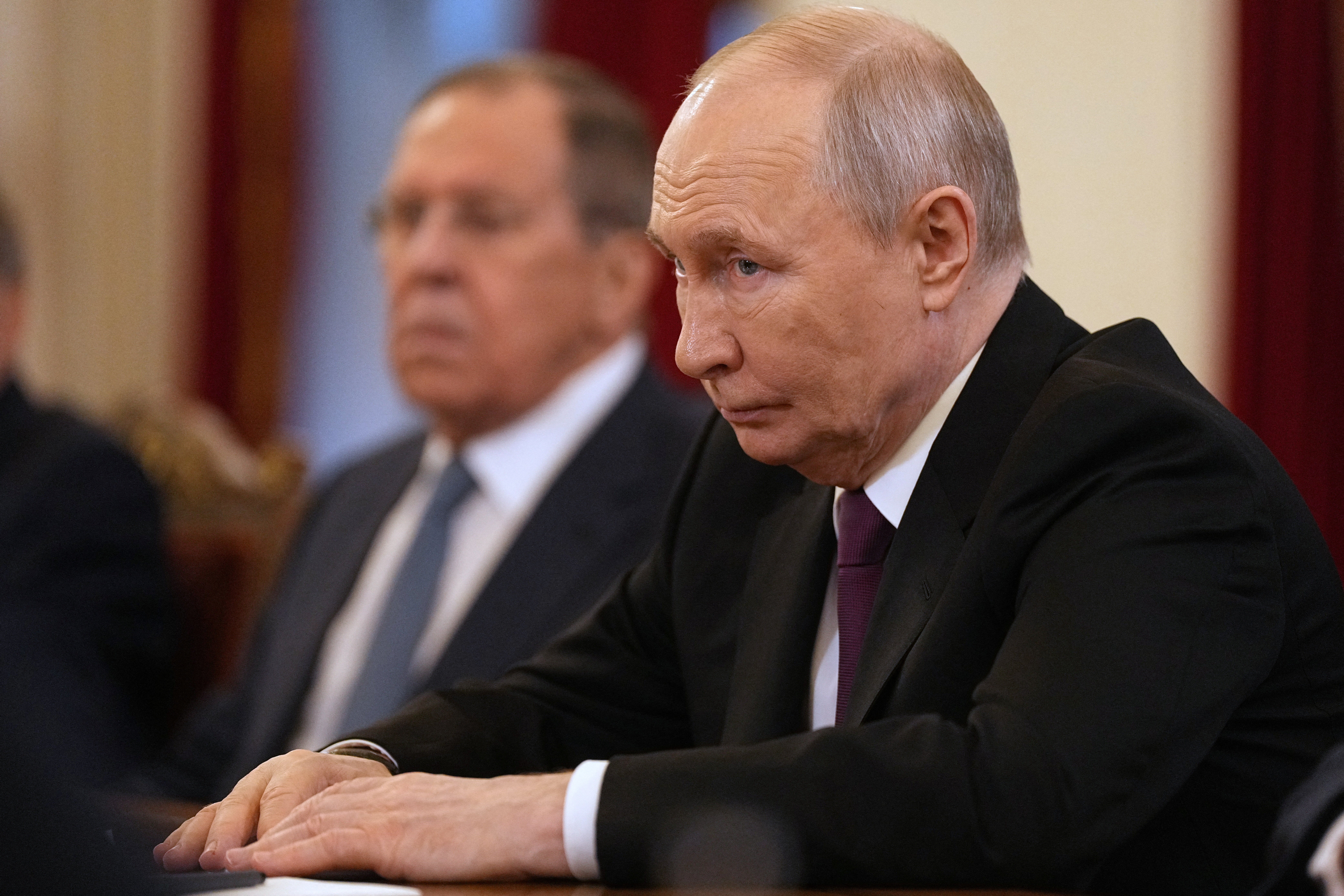 Russian President Vladimir Putin meets with Iranian Foreign Minister Abbas Araqchi in St Petersburg (Reuters)
Reuters
Russian President Vladimir Putin meets with Iranian Foreign Minister Abbas Araqchi in St Petersburg (Reuters)
Reuters
International shipping through the Strait of Hormuz is being turned into a bargaining chip again, with Iran offering to loosen its grip if Washington lifts a mid-April blockade of Iranian ports. Euronews reports the proposal was relayed as Iranian foreign minister Abbas Araghchi visited Russia on 27 April, after US envoys’ planned trip to Pakistan for talks was called off. The strait carries roughly a fifth of the world’s oil and gas trade in peacetime, and Brent crude closed above $108 a barrel on Monday, about 50% higher than when the war began in late February.
The offer, as described, parks the nuclear file for later and makes shipping access the immediate currency. That is a neat fit for the pressure points created by the blockade itself: the US is trying to choke off Iran’s oil revenue, while Iran can raise the cost of everyone else’s exports by making the waterway unpredictable. Euronews cites a joint statement by dozens of countries led by Bahrain calling for the strait to be opened, and UN secretary-general António Guterres warning of “empty fuel tanks, empty shelves, and empty plates” as knock-on effects spread.
The Independent’s live coverage adds the domestic political constraint on the US side: the White House is weighing a plan it “doesn’t love”, with press secretary Karoline Leavitt saying Trump’s red lines are “very clear”, while reports suggest Washington is unwilling to decouple shipping from nuclear limits. The same dynamics show up in who still gets through. The Independent notes that the Nord, a 142-metre superyacht linked to sanctioned Russian billionaire Alexey Mordashov, sailed from Dubai to Muscat via Hormuz over the weekend—one of a small number of private vessels to transit in recent months. Commercial shipping, by contrast, has to price in insurance, financing risk, and the possibility of being stranded; Euronews references 20,000 seafarers stuck on cargo ships during the standoff.
European officials are using the moment to put distance between themselves and Washington’s war aims. Euronews quotes German chancellor Friedrich Merz criticising the US for entering the conflict without a clear exit strategy, and French foreign minister Jean-Noël Barrot saying the crisis began after US and Israeli strikes on Iran without clear goals, while also condemning Iran’s closure of the strait. The result is a familiar split: Europe absorbs fuel-price shock and supply-chain disruption, while the decisive levers—blockade enforcement, strike capacity, and the timing of any deal—sit elsewhere.
As of 28 April, the blockade remains in place, the nuclear issue remains the veto, and the world’s busiest oil corridor is being negotiated ship by ship.