
US budget airlines seek federal fuel relief
Carriers ask for roughly $2.5bn in warrants and ticket tax suspension as jet fuel stays elevated, Spirit loan talks imply Washington could end up owning the rescue
Images
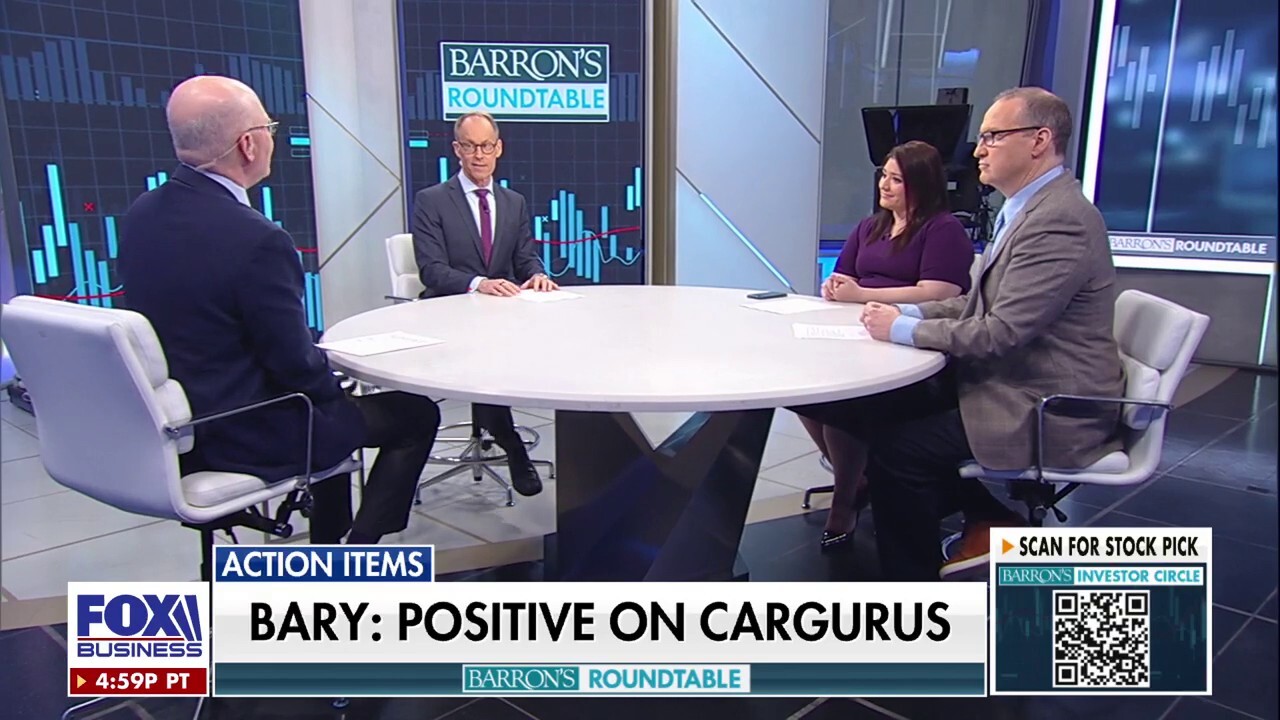 ‘Barron’s Roundtable’ panelists discuss investment opportunities among airline stocks.
foxbusiness.com
‘Barron’s Roundtable’ panelists discuss investment opportunities among airline stocks.
foxbusiness.com
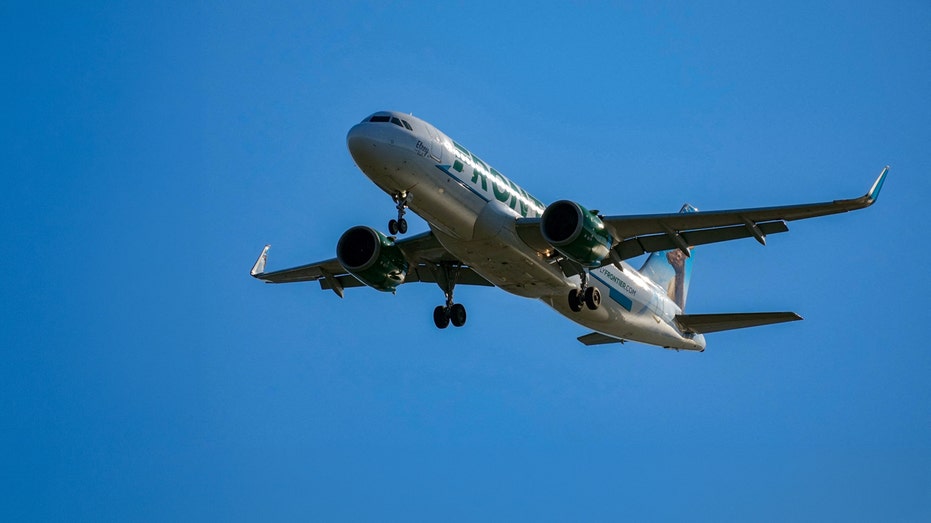 A Frontier Airlines jet.
foxbusiness.com
A Frontier Airlines jet.
foxbusiness.com
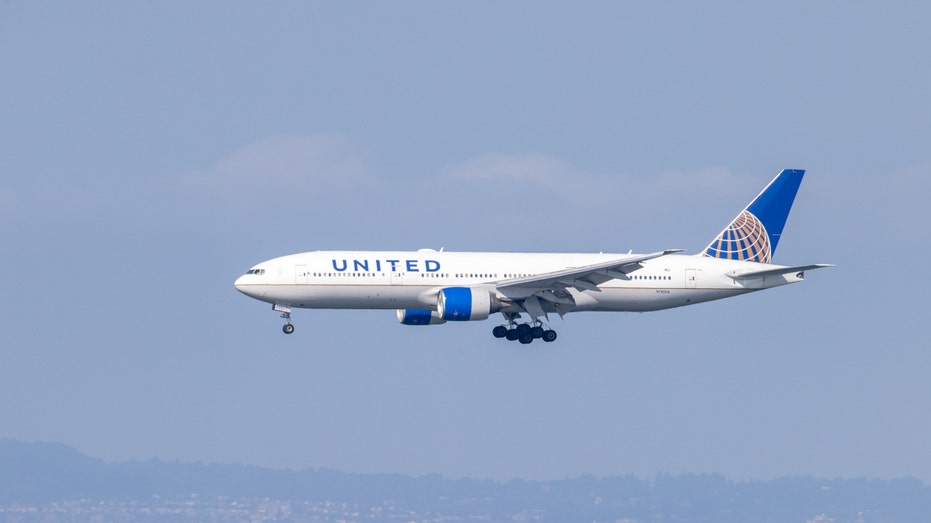 United Airlines Plane
foxbusiness.com
United Airlines Plane
foxbusiness.com
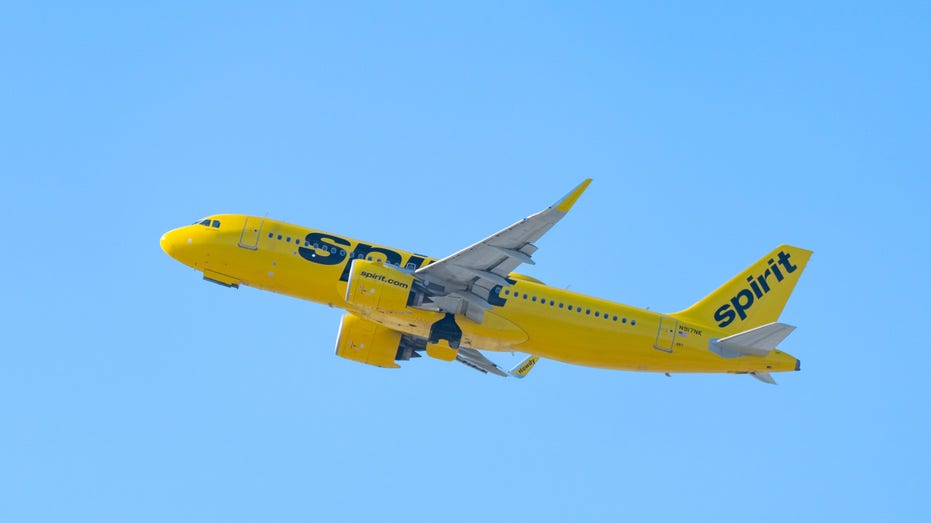 Spirit Airlines Airbus A320-271N
foxbusiness.com
Spirit Airlines Airbus A320-271N
foxbusiness.com
US budget airlines ask Washington for fuel relief, carriers seek about $2.5bn in warrants and tax breaks as jet fuel stays above $4 a gallon, an industry built on thin margins returns to the bailout playbook.
A group of US low-cost carriers is pressing for federal help to cover higher jet-fuel bills, with Fox Business reporting a request worth roughly $2.5 billion. The proposal discussed by the Association of Value Airlines would compensate carriers for the gap between earlier fuel forecasts and today’s prices, assuming jet fuel averages above $4 per gallon for the rest of the year. Executives from several of the airlines met recently with Transportation Secretary Sean Duffy and Federal Aviation Administration head Bryan Bedford, according to the report.
The ask is structured to look less like a grant and more like an investment: warrants that could convert into equity stakes. That design echoes the Covid-era playbook, when the US Treasury received warrants in major airlines as part of a roughly $54 billion support package intended to prevent mass layoffs. The current request arrives with a different shock—war-driven energy volatility—yet the same underlying arithmetic: airlines sell a commodity product at posted prices, and fuel is the largest cost they cannot easily control.
Large network airlines have already moved the adjustment lever they control most directly. Fox Business notes that United and American have raised fares and checked-baggage fees in response to higher fuel costs. Budget carriers, by contrast, compete on headline ticket prices and rely on ancillary fees and high aircraft utilization; when fuel rises quickly, the “cheap seat” model has less room to absorb it without breaking the marketing promise that fills planes.
The lobbying package has two parts. First, the carriers are urging Congress to suspend the 7.5% federal excise tax on airline tickets and the $5.30 per-segment tax, which the industry group estimates would offset about one-third of the added fuel burden. Second, the administration is said to be considering a separate, more targeted measure for Spirit Airlines: a $500 million loan that would come with warrants equal to about 90% of Spirit’s equity. Spirit is attempting to exit bankruptcy this summer, and higher fuel costs complicate that plan.
If the government takes warrants for broad-based relief while also negotiating near-control terms with one distressed carrier, it creates two price signals at once: fuel risk is socialised, but only some balance sheets are effectively nationalised. For carriers that have built schedules and fare structures around stable input costs, the immediate benefit is obvious; for competitors and taxpayers, the bill is harder to see until the next spike.
The industry’s request is pegged to a single line item—jet fuel—yet it is being negotiated in rooms where taxes, bankruptcy timelines, and equity stakes are all on the table. Spirit’s proposed deal would leave Washington holding warrants for almost the entire company.