
Trump administration pays offshore wind developers to surrender leases
Interior Department offers nearly $900m in reimbursements tied to oil and gas investment, court defeats shift wind fight from bans to buyouts
Images
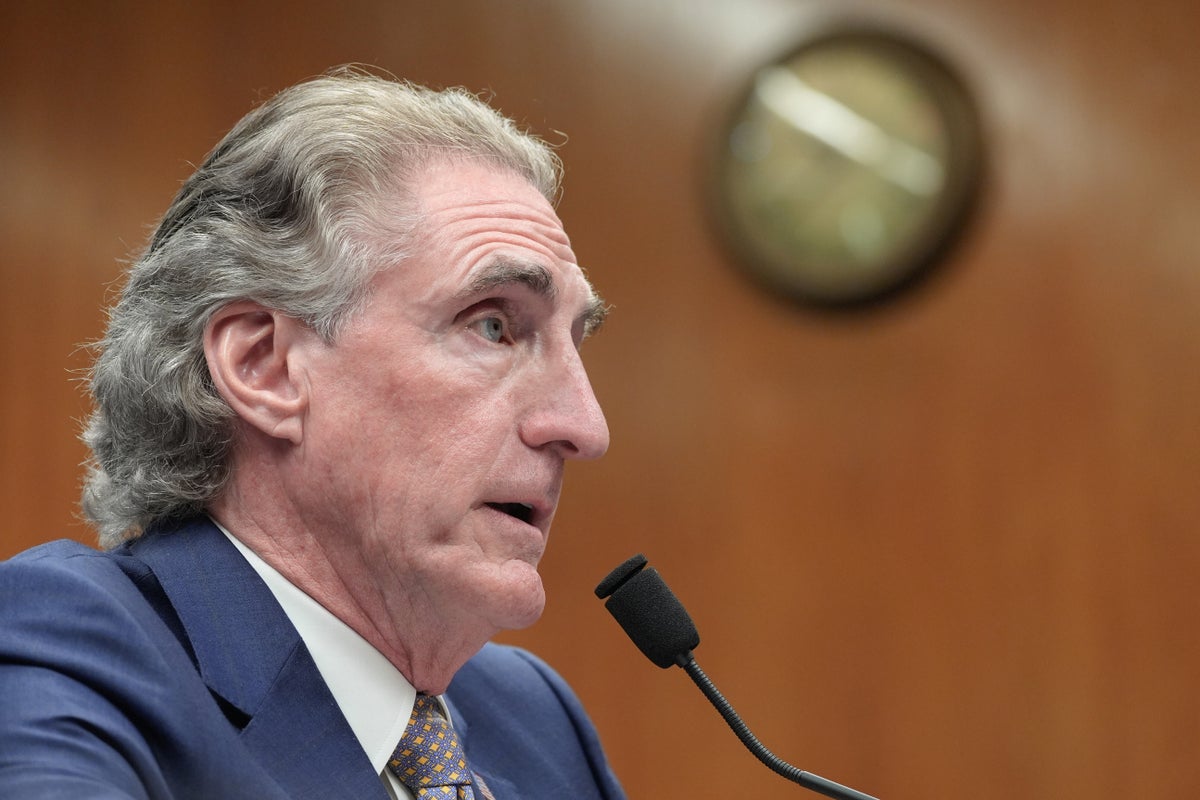 Trump administration to pay 2 more companies to walk away from US offshore wind leases
independent.co.uk
Trump administration to pay 2 more companies to walk away from US offshore wind leases
independent.co.uk
The Trump administration says it will reimburse two offshore wind developers nearly $900 million to surrender federal leases, extending a model first used in March when TotalEnergies was offered about $1 billion to exit projects off North Carolina and New York. According to the Associated Press, the Interior Department said Bluepoint Wind—planned off New Jersey and New York—and Golden State Wind—a floating project proposed off California—will give up their leases and forego new US offshore wind development.
The deals are structured less like a simple refund than a conditional rerouting of capital. Bluepoint’s lease cost $765 million, and the administration says reimbursement is tied to investment in a US liquefied natural gas facility backed by Global Infrastructure Partners, now part of BlackRock. Golden State Wind can recover about $120 million in fees after investing an equivalent amount in oil and gas assets, infrastructure, or projects along the Gulf Coast, AP reports. Interior Secretary Doug Burgum framed the arrangement as an unwind of projects that were “only viable when supported by massive taxpayer subsidies” after lease auctions held under President Joe Biden.
This comes after the administration’s broader attempt to halt offshore wind ran into the courts. AP notes that a federal judge vacated an executive order blocking wind projects in December, and that subsequent stop-work orders on five East Coast projects—justified on national security grounds—were also rejected as insufficiently urgent, allowing construction to resume. With blanket prohibitions repeatedly narrowed or reversed, negotiated exits offer a different lever: companies get regulatory certainty and cash back, while the government reduces the number of active wind leases without having to win every legal fight.
For developers, the appeal is obvious. Offshore wind is capital-intensive, exposed to permitting delays, supply-chain bottlenecks, and interest-rate sensitivity; a federal counterparty willing to make them whole can look like a clean way to close a file. For states such as New Jersey, New York and California, the second-order effect is that clean-energy targets become harder to meet without replacement capacity and grid upgrades, while sunk planning costs stay local. For taxpayers, the bill is immediate and legible—large payouts now—while any promised benefit from “affordable, reliable, secure” baseload investment is diffuse and contested.
The administration is also setting a price for policy reversal. If leaseholders learn that political risk can be monetised through federal reimbursement, future auctions may attract bidders who treat Washington as a backstop rather than a regulator. That is a different kind of subsidy: not for generation, but for the option value of walking away.
Bluepoint and Golden State were each pitched as projects capable of powering more than one million homes. Instead, the federal government is paying them to stop planning.