
Oil rises after US-Iran talks stall
Strait of Hormuz disruption keeps supply risk priced in, markets wait for tankers not tweets
Images
 bbc.com
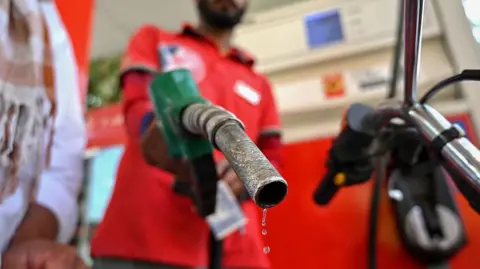 Getty Images An attendant at a petrol station refills a motorbike with fuel
bbc.com
Getty Images An attendant at a petrol station refills a motorbike with fuel
bbc.com
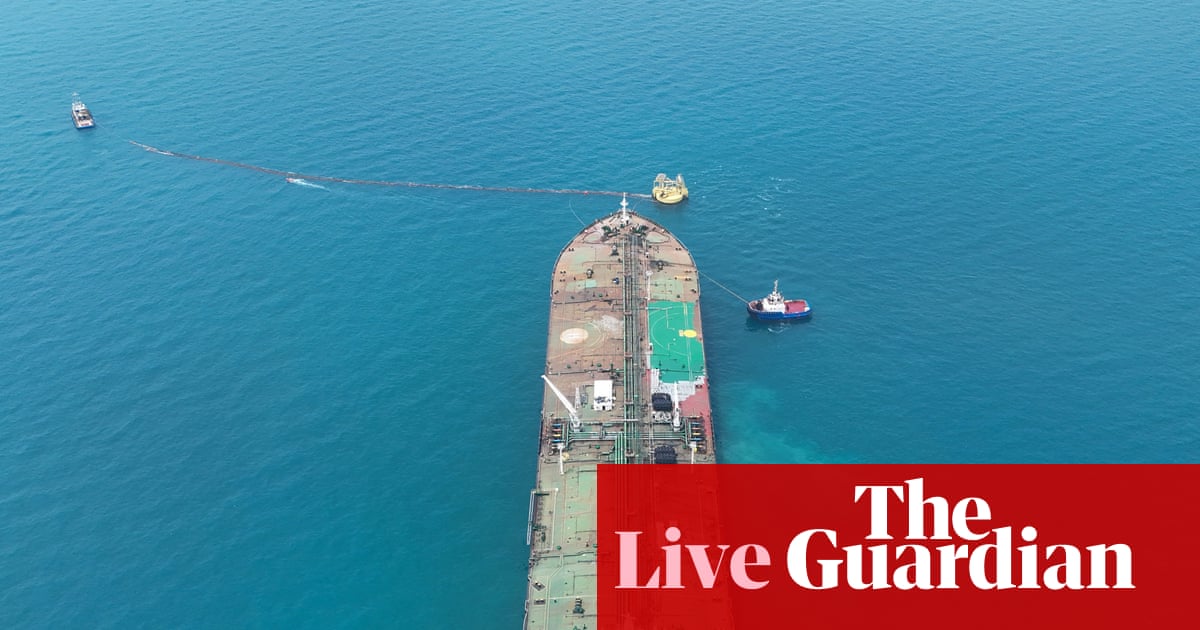 Oil at three-week high as US-Iran peace talks stall; China blocks Meta’s takeover of AI agent Manus – business live
theguardian.com
Oil at three-week high as US-Iran peace talks stall; China blocks Meta’s takeover of AI agent Manus – business live
theguardian.com
Brent crude climbed roughly 2% on Monday to around $109 a barrel after a planned second round of US-Iran talks failed to materialise, according to the BBC. US benchmark WTI also rose about 2% to roughly $97.
The immediate trigger was political: President Donald Trump said Washington had cancelled plans to send a team to Pakistan for negotiations with Iranian counterparts. Markets have been trading on a thin set of signals since the Iran war began, but the price action reflects a more concrete constraint than rhetoric. The Strait of Hormuz—normally the transit route for about a fifth of global crude oil and liquefied natural gas—has been effectively closed during the conflict, the BBC reports. That turns every cancelled meeting into a supply problem, not just a diplomatic one.
The market’s behaviour also shows what it does not believe. As the BBC notes, traders are “waiting for credible evidence” that the conflict is easing rather than reacting to headlines. The Guardian reports Axios claiming Tehran has floated a proposal to reopen Hormuz and end the war, potentially by postponing nuclear negotiations. Even so, the price is being set by shipping reality and insurance premiums, not by statements about intentions.
Europe feels this kind of disruption quickly and unevenly. Oil is not only petrol: it is freight, petrochemicals, packaging and inputs into industrial supply chains. BNP Paribas portfolio manager Sophie Huynh told the BBC that prolonged disruption could show up in everyday items—from bin bags to medicines—if the strait stays constrained for more than a few weeks. That is the transmission mechanism policymakers cannot vote away: higher transport costs hit everything that moves, and businesses pass them on where they can.
Equity markets, meanwhile, are trying to keep two stories in their heads at once. The BBC reports that European indices were mixed in early trading, while parts of Asia closed higher, with Japan and South Korea extending recent gains despite their reliance on Gulf energy. That divergence is typical when an energy shock is still being priced: the most exposed economies may rally on currency moves, inventory assumptions, or hopes that a deal is imminent—until physical shortages prove otherwise.
Brent is now back above the level it traded at before the latest ceasefire extension was announced. The strait remains shut, and the next move in the oil price is still being negotiated by ships rather than diplomats.