
Mexico seeks answers after CIA agents die in Chihuahua
Sheinbaum says joint mission ran without federal knowledge, sovereignty dispute breaks into the open
Images
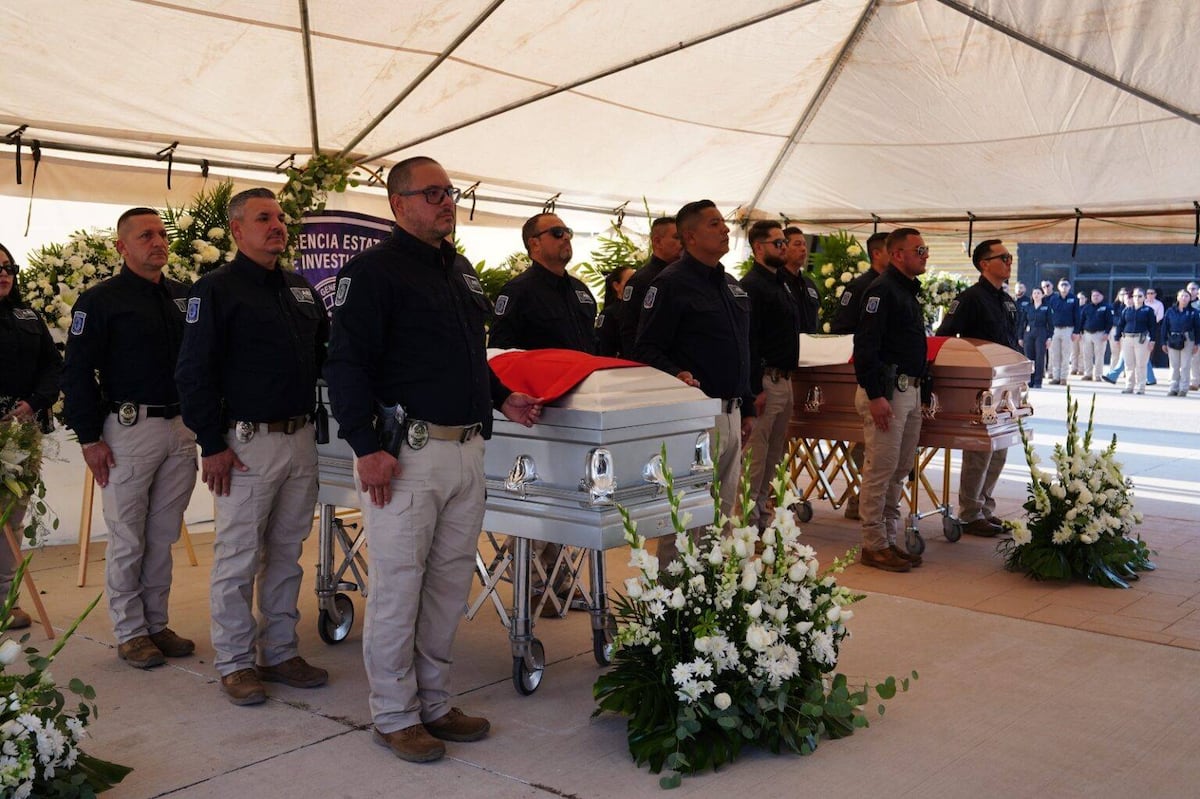 Deaths of two CIA agents in Mexico raise alarms about US interference
english.elpais.com
Deaths of two CIA agents in Mexico raise alarms about US interference
english.elpais.com
Two CIA officers and two Mexican agents were killed in a road accident in Mexico’s Sierra Madre Occidental early Sunday, an incident that escalated from local tragedy to diplomatic dispute once it emerged the Americans worked for the CIA. President Claudia Sheinbaum said the four were “working together” on a mission the federal government did not know about, and she demanded an explanation from Washington and from the northern state of Chihuahua, according to El País.
The deaths have opened a rare public window into an area usually handled through quiet channels: security cooperation between Mexico and the United States. Sheinbaum’s claim is not that coordination with US agencies is unusual, but that it happened without the authorisation that Mexico’s constitution requires. Under Mexican law, the federal government controls foreign security activity on its territory; a state government cannot invite foreign agents to operate in the field. That detail matters because Chihuahua is governed by the opposition National Action Party (PAN), and because the state’s proximity to the US has historically produced closer operational ties than Mexico City is comfortable acknowledging.
The dispute lands in a moment when Washington’s rhetoric has shifted from cooperation to entitlement. Since returning to office, Donald Trump has argued that cartels “control Mexico” and has publicly floated a US military presence to fight them, El País reports. Sheinbaum has repeatedly drawn a red line: intelligence sharing and joint work yes, foreign troops or unilateral operations no. Her government’s line is that collaboration is “very good” but must remain inside Mexican law—an argument that becomes harder to sustain if federal authorities cannot account for what US personnel were doing in remote mountain terrain alongside Mexican agents.
The White House response did not clarify the mission. Press secretary Karoline Leavitt instead asked Sheinbaum to show “sympathy” for the two Americans and highlighted US efforts to stop drug trafficking through Mexico, according to El País. The emphasis on condolences rather than authorisation underscores the asymmetry: Washington treats the incident as a cost of a shared campaign, while Mexico’s president frames it as a possible breach of sovereignty.
The episode also fits a broader regional pattern. El País notes that Trump has pushed for expanded US military activity in Latin America under the banner of fighting drug trafficking, invoking the hemisphere as a US “backyard” and reviving Monroe Doctrine language. Ecuador and Argentina have welcomed closer cooperation and even US presence; Mexico is trying to resist while still delivering results that lower the temperature in Washington.
For now, the public facts remain sparse: a crash in Chihuahua, four dead, and a president saying her own federal government was not informed. In a relationship built on intelligence-sharing, that absence of paperwork is the story.