
US Special Forces soldier charged over Polymarket bets on Maduro raid
Prosecutors say classified access turned into $400000 payout, prediction markets meet national-security law
Images
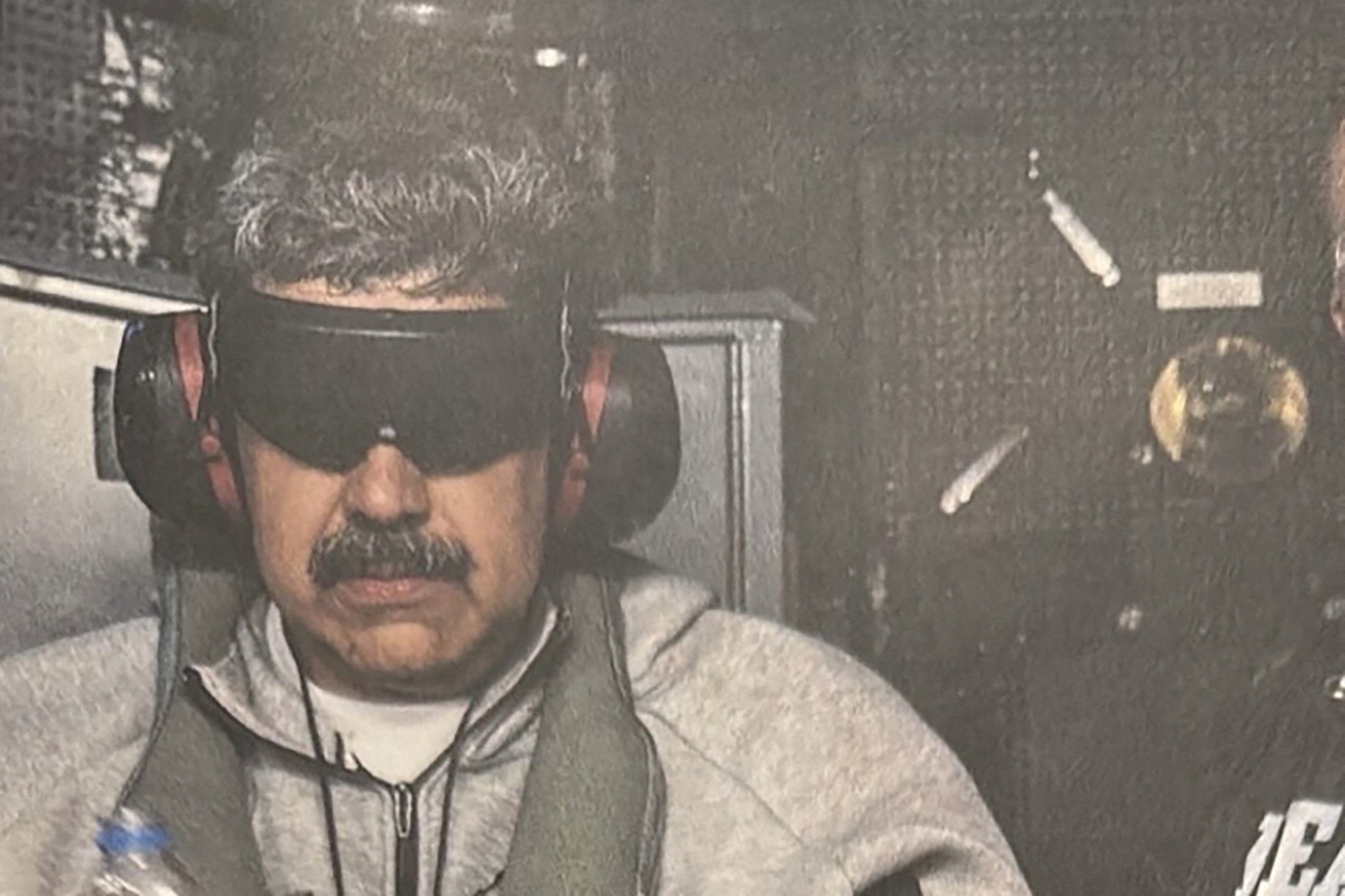 A U.S. Army Special Forces soldier involved in the deadly operation to capture ousted Venezuelan leader Nicolás Maduro has been arrested after allegedly winning more than $400,000 from Polymarket bets on the mission (via REUTERS)
via REUTERS
A U.S. Army Special Forces soldier involved in the deadly operation to capture ousted Venezuelan leader Nicolás Maduro has been arrested after allegedly winning more than $400,000 from Polymarket bets on the mission (via REUTERS)
via REUTERS
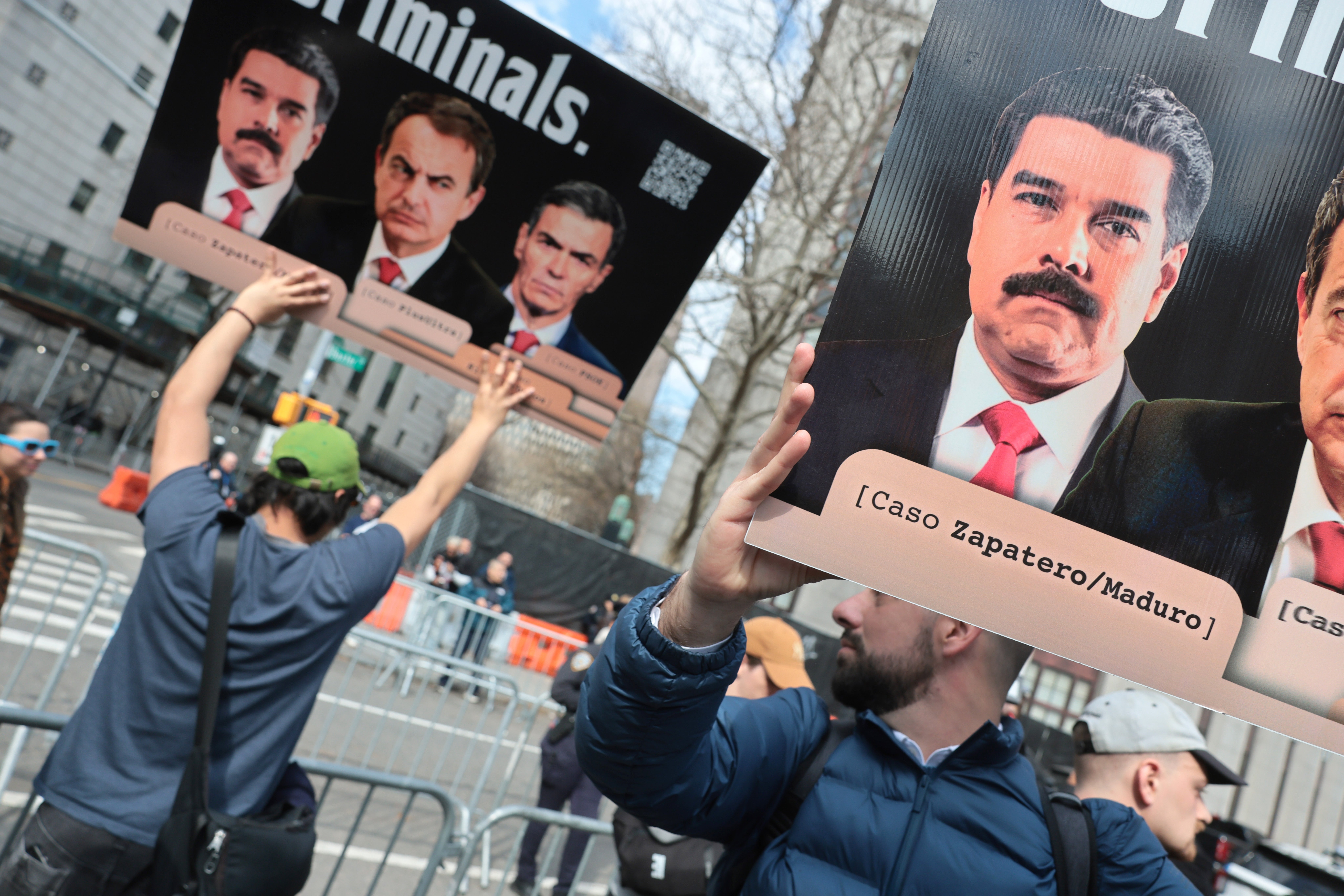 Maduro and his wife Cilia Flores are currently detained in New York while awaiting trial on cocaine-trafficking conspiracy charges in Manhattan federal court (Getty Images)
Getty Images
Maduro and his wife Cilia Flores are currently detained in New York while awaiting trial on cocaine-trafficking conspiracy charges in Manhattan federal court (Getty Images)
Getty Images
Federal agents have arrested a US Army Special Forces soldier accused of using classified information about a January raid in Caracas to profit on Polymarket, a cryptocurrency-based prediction market. According to The Independent, prosecutors say Gannon Ken Van Dyke, 38, placed at least 13 Venezuela-related bets after gaining access to sensitive details of “Operation Absolute Resolve,” then cleared more than $400,000 when the operation culminated in Nicolás Maduro’s capture. The indictment, unsealed in federal court in New York, charges him with Commodity Exchange Act violations, wire fraud and an unlawful monetary transaction.
The alleged scheme is straightforward: an insider learns which way an uncertain event is about to break, then buys the “yes” side while the odds are still cheap. What makes this case unusual is that the “inside” is not a corporate earnings call or a merger timetable, but a military operation—information normally ringfenced not just to protect markets, but to keep people alive. Prosecutors say Van Dyke funded a Polymarket account on 26 December and began trading on markets tracking US action in Venezuela, including whether US forces would enter the country and whether Maduro would be removed. After the raid, prosecutors allege he routed proceeds to a “foreign cryptocurrency vault” and then into a newly created online brokerage account, a laundering pattern familiar from financial crime but newly attached to national-security secrets.
The case also highlights how prediction markets have slipped from niche hobby to mass-access platform. Acting Attorney General Todd Blanche framed the arrest as a warning that “federal laws protecting national security information fully apply” even as betting markets proliferate, The Independent reports. The FBI director, Kash Patel, issued a similar message aimed at clearance holders tempted to “cash in” their access. The underlying problem is not that markets exist, but that the people closest to state action are often the only ones who can know what will happen before the public does—and modern platforms make converting that advantage into money fast and easy.
Polymarket’s structure adds another layer. It is not a regulated US sportsbook; it is a crypto market where positions can be built quietly, settled quickly and moved across borders without the friction of banks. That makes enforcement depend less on market surveillance than on traditional investigative work: device forensics, transaction tracing and, crucially, a paper trail that ties a trader to a classified timeline. The indictment suggests prosecutors believe they have that linkage.
The alleged bets began on 27 December; the raid was executed on 3 January. In that gap, a soldier with operational access is accused of treating a covert mission like a tradable contract.
Van Dyke now faces charges that carry up to 10 years per count under the Commodity Exchange Act, in a case where the most valuable asset was not crypto but foreknowledge.