
EU approves €90bn Ukraine loan
Hungary lifts veto after Russian oil deliveries resume, sanctions widen to UAE Thailand China and Kyrgyzstan re-export route
Images
 António Costa, Volodymyr Zelenskyy and Ursula von der Leyen at a press conference on the fourth anniversary of Russia's full-scale invasion of Ukraine. Photograph: Valentyn Ogirenko/Reuters
theguardian.com
António Costa, Volodymyr Zelenskyy and Ursula von der Leyen at a press conference on the fourth anniversary of Russia's full-scale invasion of Ukraine. Photograph: Valentyn Ogirenko/Reuters
theguardian.com
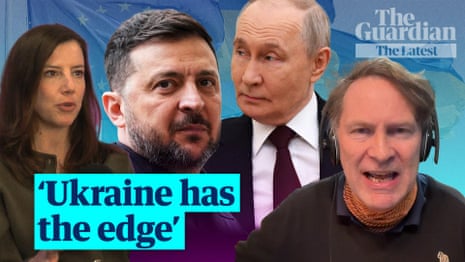 Is the tide turning for Ukraine in war with Russia? - The Latest
theguardian.com
Is the tide turning for Ukraine in war with Russia? - The Latest
theguardian.com
EU leaders on Thursday signed off on a €90bn loan package for Ukraine alongside the bloc’s 20th round of Russia sanctions, after Hungary dropped its veto, according to The Guardian. The approvals were timed to coincide with a summit in Cyprus where Volodymyr Zelenskyy joined EU leaders for dinner talks in Ayia Napa.
The loan is designed to cover roughly two-thirds of Ukraine’s financing needs in 2026 and 2027, with the EU borrowing the money up front and planning for repayments to be met through Russian reparations. Ursula von der Leyen said the Commission aims to disburse the first tranche of the €45bn planned for 2026 within the current quarter, potentially by end-June, and indicated the first payment would support domestic drone production. Zelenskyy, in comments cited by The Guardian, framed the funding as “financial certainty” for priorities that include arms production, purchases from partners that do not manufacture in Ukraine, and preparations for winter after Russian strikes on energy infrastructure.
The sanctions package broadens the target list beyond Russia to the networks that keep trade flowing around restrictions. The Guardian reports new listings for Russian banks and energy companies and for entities in the United Arab Emirates, Thailand and China, including Hong Kong, accused of helping Moscow evade controls. The EU also introduced a new export ban on high-tech machine tools and telecoms equipment to Kyrgyzstan, describing the country as a “systematic and persistent” route for re-exporting goods to Russia for use in missiles and drones.
The immediate trigger for Budapest’s change of position was not a shift in rhetoric but a practical dispute over oil flows. Hungary and Slovakia, both heavily dependent on Russian crude, had linked their objections to EU support to a damaged pipeline crossing Ukraine. The Guardian says the dispute eased after Russian oil deliveries to Hungary and Slovakia resumed on Thursday, with Hungary’s MOL reporting the restart. With the pipeline issue resolved, both countries dropped their objections, clearing the way for the loan and sanctions to be finalised.
Hungary’s domestic politics also intruded. Viktor Orbán—defeated earlier this month by challenger Péter Magyar, according to The Guardian—did not attend what would have been his final EU summit. Zelenskyy publicly wished the incoming Hungarian government well while questioning Orbán’s approach, adding that his team was already in contact with Hungarian counterparts.
The EU’s biggest Ukraine financing decision in months ultimately moved forward after a pipeline resumed pumping Russian oil to two EU member states.