
UK inflation rises to 3.3% in March
Petrol and diesel jump after Iran conflict disrupts oil markets, Bank of England rate cuts look harder to justify
Images
 UK inflation jumps to 3.3% as Trump's Iran war causes sharp rise in cost of living
standard.co.uk
UK inflation jumps to 3.3% as Trump's Iran war causes sharp rise in cost of living
standard.co.uk
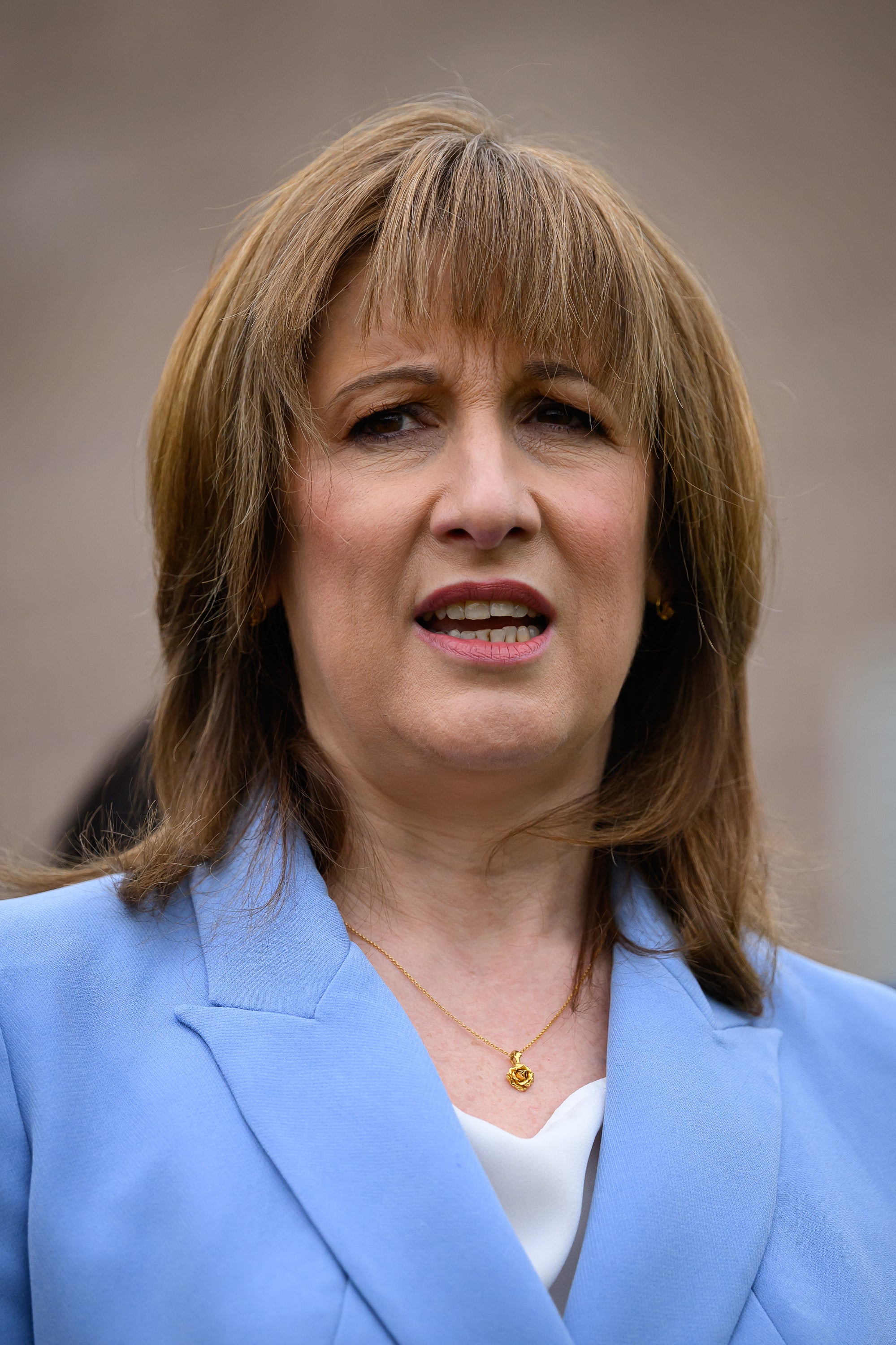 Chancellor Rachel Reeves said the Iran crisis was 'not our war, but it is pushing up bills for families and businesses' (PA)
independent.co.uk
Chancellor Rachel Reeves said the Iran crisis was 'not our war, but it is pushing up bills for families and businesses' (PA)
independent.co.uk
UK consumer price inflation rose to 3.3% in March from 3.0% in February as fuel costs jumped after the Iran conflict disrupted oil markets, according to the Office for National Statistics. The Evening Standard reports the increase is the highest since December and is largely attributable to petrol and diesel prices rather than broader price pressures.
Both the Standard and The Independent link the rise to the fighting involving US and Israeli forces and Iran, and to disruptions around the Strait of Hormuz shipping corridor. The RAC’s pump-price snapshot cited by the Standard shows how quickly a geopolitical shock transmits into household budgets: average petrol prices at 158.1p a litre, up about 25p since late February, and diesel at 191.2p, up about 49p. Oxford Economics estimates the pump-price surge added roughly 0.2 to 0.3 percentage points to March’s inflation figure.
For the UK government, the problem is not only the immediate cost-of-living hit but the way higher energy prices tighten constraints across the economy. Chancellor Rachel Reeves framed the shock as external—“not our war”—while listing pre-existing measures such as a fuel duty freeze, rail fare freeze and a claimed £117 reduction in energy bills, according to both outlets. Those policies may soften the first-round impact, but they also highlight the basic trade-off: insulating consumers from price signals typically shifts the bill elsewhere, either into public finances or into deferred investment.
The inflation print also lands in the middle of a monetary-policy holding pattern. Capital Economics’ Ruth Gregory told the Standard the rise “tells us little” about whether energy prices will trigger second-round effects, and argued that a weak labour market makes a prolonged pause more likely than a fresh tightening cycle. Still, the political cost of “higher for longer” interest rates is hard to avoid. The Independent notes the Bank of England had previously signalled it might cut rates two or three times this year from 3.75%; higher inflation makes that path harder, keeping mortgage repricing and business borrowing costs elevated.
The fiscal tail risk sits behind the monthly inflation number. The Independent cites the Resolution Foundation estimating that the average household will be about £480 worse off this year due to higher energy costs, and that a severe escalation scenario could push government borrowing up by £16bn a year by 2029–30. That is the kind of projection that turns a foreign-policy crisis into a domestic budget problem: higher debt interest, pressure for targeted relief, and an opposition ready to treat global shocks as evidence of policy failure.
For now, the data point is simple: March inflation moved with the price on the forecourt, and the forecourt price moved with events around a narrow stretch of water thousands of kilometres away.