
Trump extends Iran ceasefire indefinitely
Pakistan pushes Islamabad talks as US keeps port blockade, diplomacy runs on shipping leverage
Images
 Trump extends ceasefire with Iran indefinitely at Pakistan's request
euronews.com
Trump extends ceasefire with Iran indefinitely at Pakistan's request
euronews.com
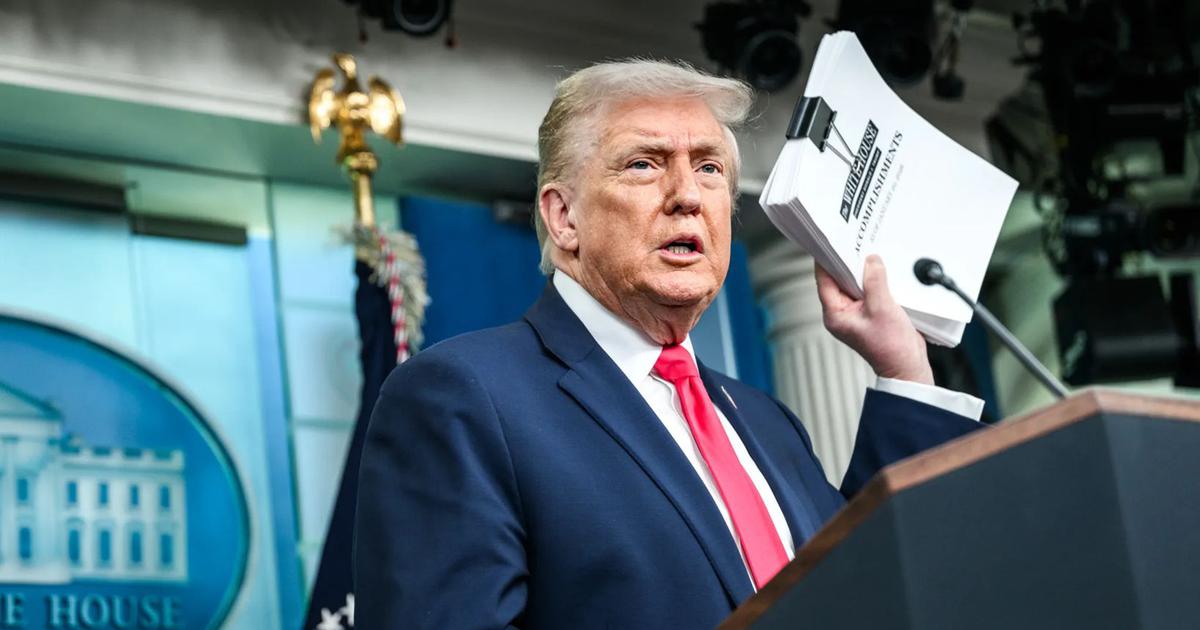 United States President Donald Trump
|
The White House
scroll.in
United States President Donald Trump
|
The White House
scroll.in
US extends Iran ceasefire while keeping port blockade, Pakistan mediates stalled talks in Islamabad, shipping chokepoint remains leverage not peace
Donald Trump said on Tuesday that the United States would extend its ceasefire with Iran indefinitely, just a day before the existing truce was due to expire. The extension, announced on Truth Social, came after a request from Pakistan’s prime minister Shehbaz Sharif and army chief Field Marshal Asim Munir, according to Euronews.
The ceasefire is being prolonged, Trump wrote, to give Iran time to produce a “unified proposal” for ending the conflict, while the US military is ordered to maintain its blockade of Iranian ports. Iran has not formally accepted the new terms, and Iranian officials have publicly treated the announcement as a unilateral American move rather than a negotiated extension.
The arrangement exposes what the ceasefire has become in practice: a pause in bombing paired with an economic strangulation that continues every day. According to Euronews, Trump claimed Iran is losing about $500 million per day under the blockade. Scroll.in, citing Al Jazeera, reported an adviser to Iran’s parliament speaker calling the blockade “no different from bombardment” and warning it should be met with a military response.
Pakistan’s role has turned into the story’s most functional piece of diplomacy. Islamabad had been preparing to host a second round of US-Iran talks, but the White House put Vice President JD Vance’s planned trip on hold after Iran rebuffed restarting negotiations, according to Euronews. Scroll.in reports that Vance was expected to travel with special envoy Steve Witkoff and senior adviser Jared Kushner, before the visit was called off.
Iran’s publicly stated condition for talks is straightforward: end the blockade first. An Iranian foreign ministry spokesman described US actions as “unacceptable,” per Euronews, while Iran’s UN envoy suggested negotiations could resume in Islamabad if the blockade ends, Scroll.in reports. Washington’s position is also straightforward: the blockade is the leverage, and lifting it without a deal removes the only pressure point that does not require another strike.
The Strait of Hormuz sits behind all of this as the unpriced collateral. Iran’s earlier closure of the strait disrupted maritime traffic and helped trigger the blockade in the first place. Even with a ceasefire on paper, the shipping route remains hostage to enforcement decisions, insurance premiums, and the risk appetite of vessel operators—variables that change faster than diplomatic communiqués.
Markets are reacting to that reality rather than to the word “ceasefire.” Euronews reported Brent crude rising to around $99 a barrel as traders priced in the risk of renewed fighting, while Scroll.in noted subsequent volatility and prices near $98. Either way, the price signal is that the conflict’s most important battlefield is still the flow of fuel.
The US Navy has already moved from threat to practice: Euronews reports that American forces seized an Iranian cargo vessel accused of trying to evade the blockade. The ceasefire, extended “indefinitely,” is being enforced at sea with boarding actions and at home with fuel-price spikes.
Trump’s message was that Iran should negotiate, but only after it resolves internal divisions and submits terms acceptable to Washington. The blockade remains in place until then.
A ceasefire that stops missiles but keeps ports closed is still measured in ship manifests and oil ticks.