
Trump threatens renewed bombing as Iran ceasefire nears expiry
Pakistani mediation struggles to extend talks, Hormuz shipping risk becomes the real deadline
Images
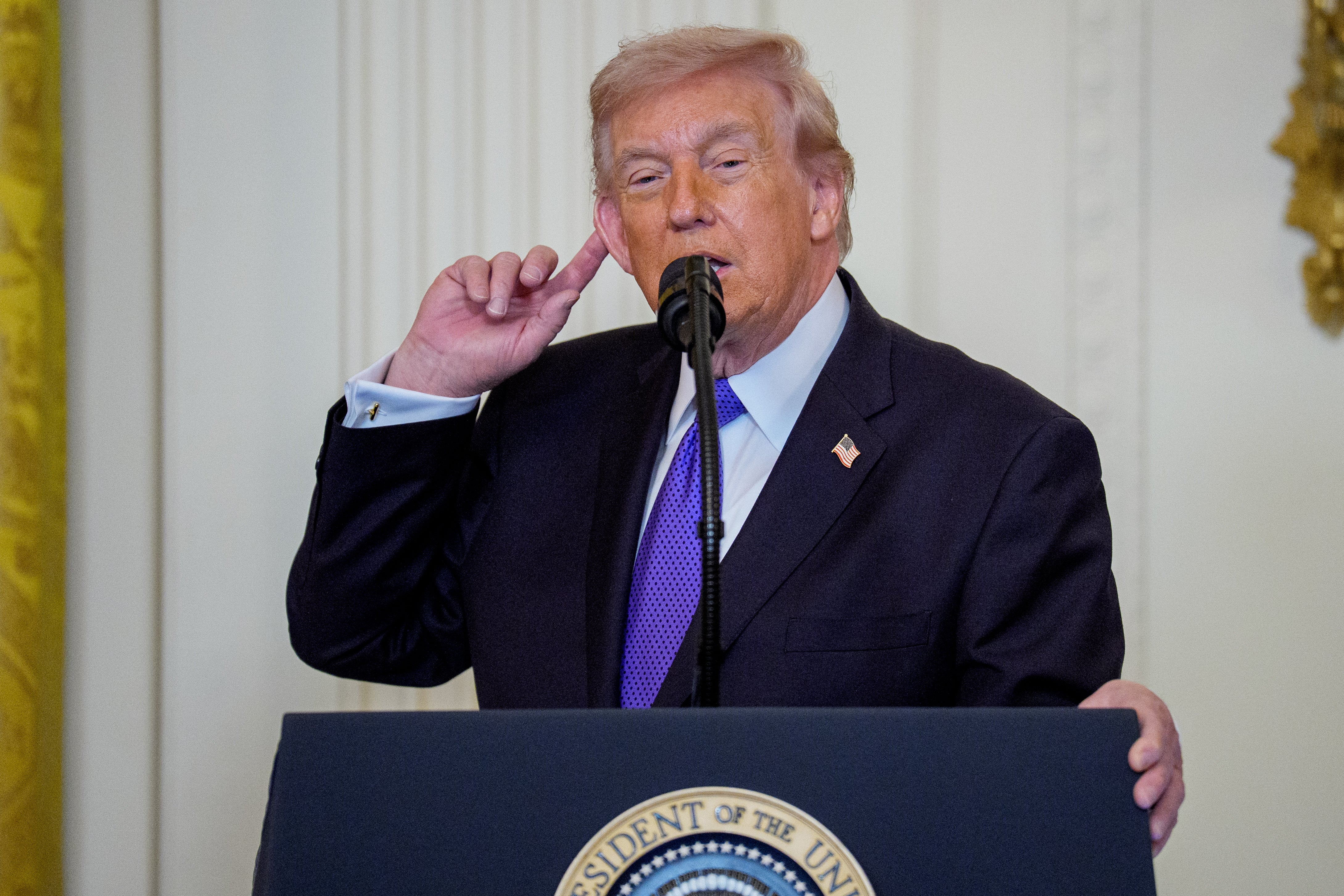 Trump said he ‘expects to be bombing’ soon (Getty)
Getty
Trump said he ‘expects to be bombing’ soon (Getty)
Getty
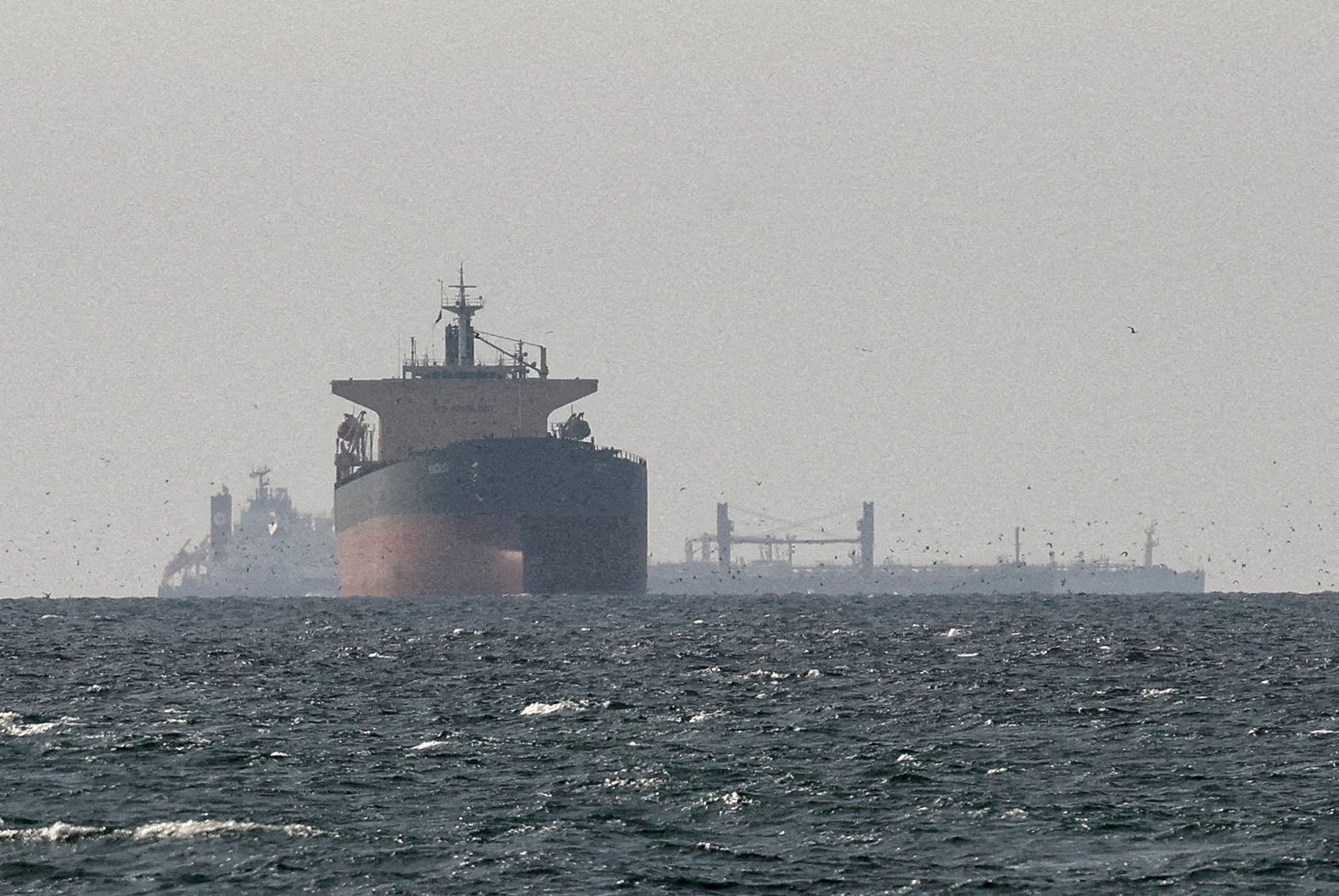 FILE PHOTO: Cargo ships in the Gulf, near the Strait of Hormuz, as seen from northern Ras al-Khaimah, near the border with Oman’s Musandam governance (Reuters)
Cargo ships in the Gulf, near the Strait of Hormuz, as seen from northern Ras al-Khaimah, near th...
FILE PHOTO: Cargo ships in the Gulf, near the Strait of Hormuz, as seen from northern Ras al-Khaimah, near the border with Oman’s Musandam governance (Reuters)
Cargo ships in the Gulf, near the Strait of Hormuz, as seen from northern Ras al-Khaimah, near th...
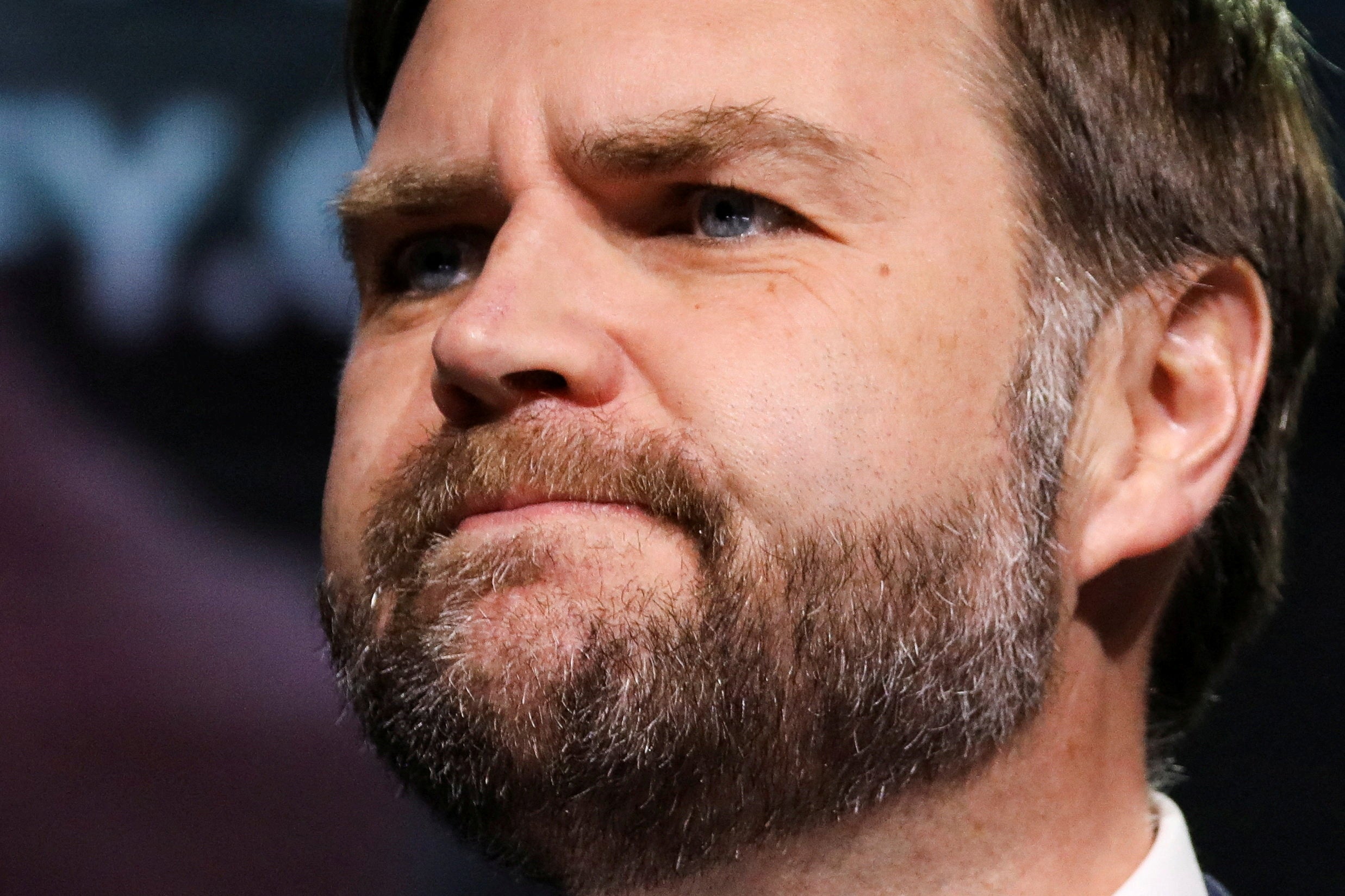 JD Vance was expected to arrive in Islamabad on Tuesday in hopes of attending talks with Iranian negotiators (Reuters)
Reuters
JD Vance was expected to arrive in Islamabad on Tuesday in hopes of attending talks with Iranian negotiators (Reuters)
Reuters
Donald Trump said he “expects to be bombing” when a two-week ceasefire with Iran expires on Wednesday, casting doubt on last-minute efforts by Pakistani intermediaries to extend the truce and restart negotiations.
In an interview cited by the Independent, Trump dismissed the idea of prolonging the ceasefire, telling CNBC: “I don't want to do that. We don't have that much time,” and adding that he expected to resume strikes because it was “a better attitude to go in with.” Tehran, meanwhile, warned it had “new cards to play” if fighting resumes, with parliamentary speaker Mohammad Bagher Ghalibaf accusing Washington of preparing to “justify renewed warmongering” through a blockade and ceasefire violations.
The ceasefire was meant to create space for talks on a longer-term arrangement, but the mechanics of the current standoff are already shaping the bargaining. The US has kept a naval blockade of Iranian ports and has seized or boarded tankers it says are linked to Iran, including a vessel reported to be carrying roughly two million barrels of crude. Iran has responded by tightening and loosening access through the Strait of Hormuz—an on-off switch that markets treat as a war indicator rather than a policy lever.
Pakistan’s role illustrates the limits of third-party mediation when the main parties can impose costs directly. Islamabad has urged an extension and hosted contacts, and US vice-president JD Vance has been expected in the capital amid conflicting reports about timing, according to Reuters cited by the Independent. But Tehran has already ruled out a second round of talks after the US refused to lift the blockade and seized an Iranian cargo ship, the Touska.
For Europe and Asia, the immediate consequence is not diplomatic theatre but shipping risk. China’s foreign ministry has called for normal transit through Hormuz “as soon as possible,” while rejecting US-linked claims about Chinese involvement with intercepted ships, the Independent reported via Xinhua. The corridor carries a large share of global oil trade, and even partial disruption forces importers to pay for detours, insurance, and precautionary stockpiling.
Trump’s public stance also changes the internal incentives on both sides. If Washington signals that escalation is the default, Iranian officials gain less from offering concessions that can be read domestically as capitulation under threat. If Tehran signals it has “new cards” on the battlefield, US officials can argue that pre-emption is cheaper than waiting for those capabilities to be used.
The ceasefire expires on Wednesday evening local time, and the US president is already describing what happens next in the present tense.