
Cocaine metabolite makes juvenile salmon roam farther in Lake Vättern
Field tracking study links benzoylecgonine exposure to doubled weekly swimming distance, wastewater residues reshape behaviour without killing fish
Images
 A line and a pile of fake cocaine made with flour next to a fake cocaine straw (Hans Lucas/AFP via Getty)
Hans Lucas/AFP via Getty
A line and a pile of fake cocaine made with flour next to a fake cocaine straw (Hans Lucas/AFP via Getty)
Hans Lucas/AFP via Getty
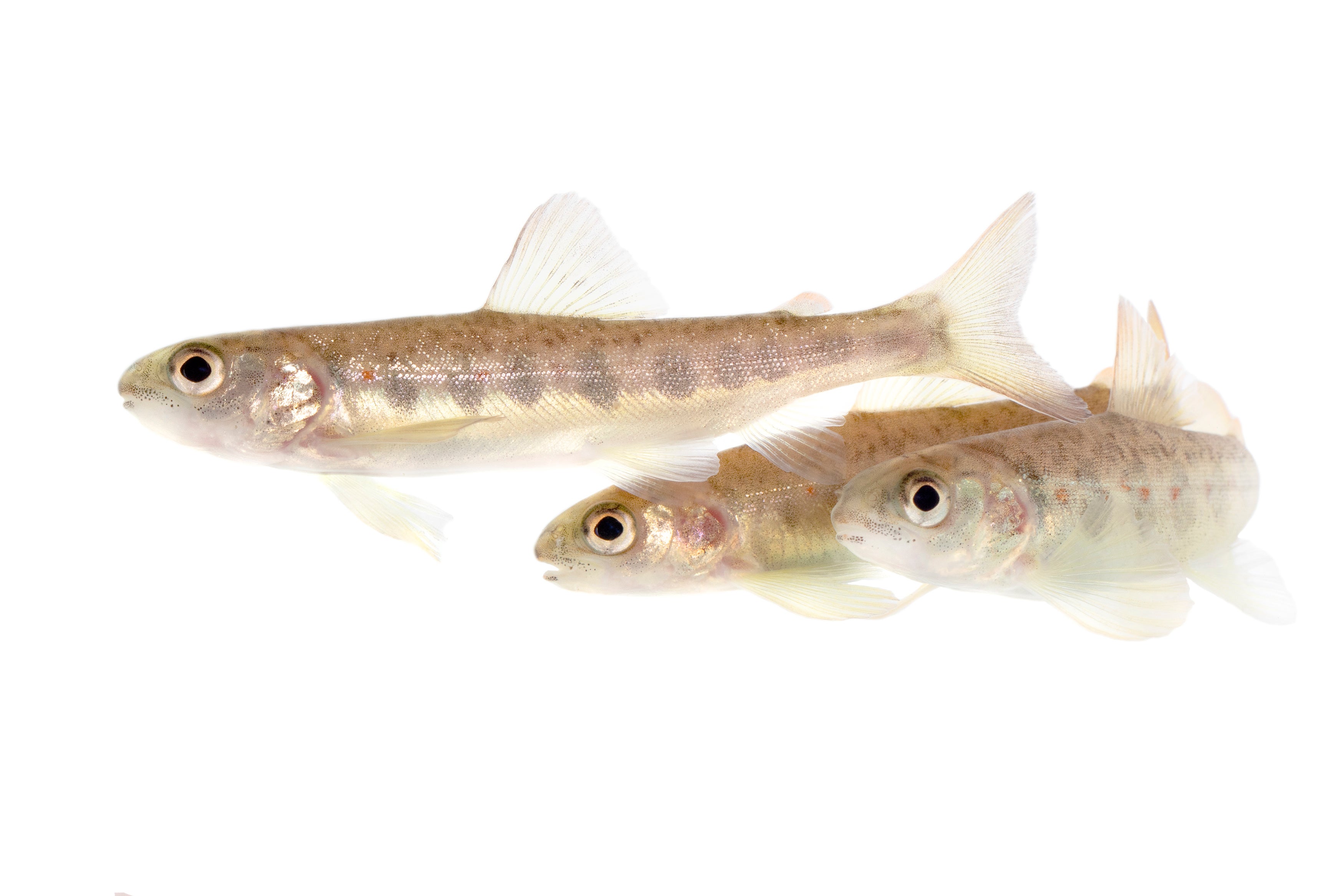 Juvenile salmon (Jörgen Wiklund)
Jörgen Wiklund
Juvenile salmon (Jörgen Wiklund)
Jörgen Wiklund
Cocaine’s main breakdown product in wastewater can change how juvenile Atlantic salmon move through a large lake, according to a field study in Sweden that tracked fish for eight weeks. Researchers followed more than 100 young salmon in Lake Vättern and found that those exposed to benzoylecgonine—the metabolite most commonly detected in sewage—swam roughly twice as far per week as unexposed fish and dispersed up to 12.3 kilometres farther across the lake, The Independent reports.
The experiment split fish into three groups: one exposed to cocaine, one to benzoylecgonine, and a control group. The strongest effect was linked to the metabolite rather than the parent drug, a detail that matters because wastewater treatment plants are typically evaluated on what they remove at the inlet, not on what persists after drugs are metabolised by humans and partially transformed in the system. The study’s authors argue this is the first demonstration of cocaine-related contamination altering fish behaviour in the wild, extending earlier lab findings into a real ecosystem.
The behavioural shift is not a curiosity: where fish go determines food intake, predation risk, and how populations spread out. A juvenile that ranges farther may find more food—or it may leave shelter and burn energy it cannot replace. Over time, altered movement patterns can change which parts of a lake are grazed, where predators concentrate, and which tributaries receive returning adults. In Lake Vättern, a large, cold waterbody central to Sweden’s salmon ecology, dispersal distances of this scale can separate cohorts that would otherwise overlap.
The mechanism is not fully pinned down in the reporting, but the pattern fits a wider problem in aquatic toxicology: low concentrations of human pharmaceuticals can interact with conserved neurotransmitter systems across species. Rivers and lakes receive a steady mixture of psychoactive compounds through wastewater that was built to remove pathogens and nutrients, not trace organics. The result is a diffuse exposure regime that is hard to regulate because no single discharge looks dramatic, yet the combined load persists.
The researchers emphasised that the work does not imply a food safety risk, as the salmon studied were juveniles well below legal catch size. The more immediate issue is ecological accounting: regulatory thresholds often focus on lethality or obvious deformities, while behavioural changes—harder to measure and easier to dismiss—can still rewire survival odds.
In this case, the most measurable effect of cocaine pollution was not dead fish, but fish that would not stay put.