
D4vd pleads not guilty to murder charge
Prosecutors allege 14-year-old Celeste Rivas Hernandez was killed after visiting his Hollywood Hills home, the case hinges on sealed grand jury evidence and a Tesla left to be towed
Images
 bbc.com
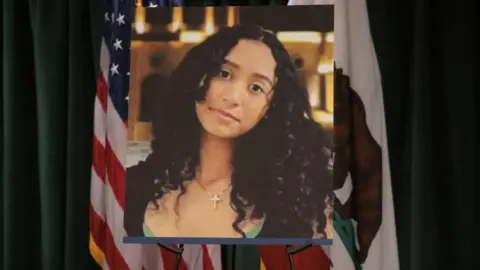 Reuters A photo of Celeste Rivas Hernandez is displayed on an easel in front of the US and California flags onstage at a media conference announcing charges against US singer David Anthony Burke, who is known professionally as D4vd.
bbc.com
Reuters A photo of Celeste Rivas Hernandez is displayed on an easel in front of the US and California flags onstage at a media conference announcing charges against US singer David Anthony Burke, who is known professionally as D4vd.
bbc.com
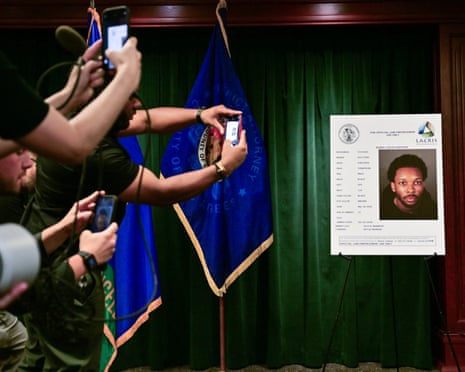 Journalists take pictures of a booking photo of Anthony David Burke, known as D4vd, in Los Angeles, on 20 April. Photograph: Frederic J Brown/AFP/Getty Images
theguardian.com
Journalists take pictures of a booking photo of Anthony David Burke, known as D4vd, in Los Angeles, on 20 April. Photograph: Frederic J Brown/AFP/Getty Images
theguardian.com
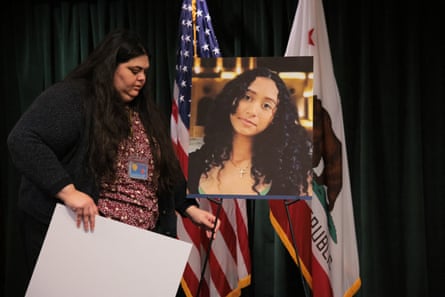 A picture of Celeste Rivas Hernandez. Photograph: Daniel Cole/Reuters
theguardian.com
A picture of Celeste Rivas Hernandez. Photograph: Daniel Cole/Reuters
theguardian.com
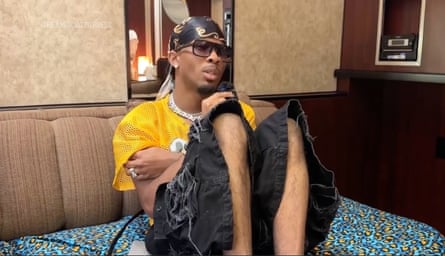 D4vd in 2025. Photograph: AP
theguardian.com
D4vd in 2025. Photograph: AP
theguardian.com
US musician David Anthony Burke, who performs as D4vd, pleaded not guilty on Monday in Los Angeles to first-degree murder in the death of 14-year-old Celeste Rivas Hernandez, whose dismembered remains were found last September in a Tesla registered to him. According to the Los Angeles county district attorney’s office, the girl was last seen on 23 April 2025 after going to Burke’s home in the Hollywood Hills and “was never heard from again”. Her remains were discovered on 8 September in the vehicle after it was towed from the area.
Prosecutors are stacking the case around special-circumstance allegations that would increase Burke’s exposure at sentencing. District attorney Nathan Hochman said Burke is charged with first-degree murder with a “lying in wait” special circumstance, with an additional special circumstance of murder “for financial gain”, and with murdering a witness to an investigation. Hochman alleged that Rivas Hernandez was a witness in an investigation into sexual acts committed by Burke, and said the case also involves allegations of sexual acts with a minor and the mutilation of a body.
The public outline is unusually detailed for a case that had been largely sealed. The Guardian reports that a grand jury investigation had been under way for months and that its existence became public earlier this year when Burke’s mother, father and brother challenged subpoenas in Texas. That kind of procedural detour is often a sign that prosecutors are building a case that relies on documents, communications, and reluctant witnesses as much as on forensics.
The discovery of the body also points to a logistical trail rather than a single dramatic moment. Court documents cited by both the BBC and the Guardian describe the Tesla being towed from an upscale Hollywood Hills neighbourhood where it appeared abandoned, then searched in a tow yard. Investigators reported a cadaver bag with insects and a strong odour of decay, with severed limbs found in separate bags. If the vehicle was moved, parked, and left long enough to be flagged as abandoned, that creates a timeline that can be tested against phone location data, camera footage, toll and charging records, and the paper trail around towing and storage.
Burke’s attorneys said in a statement that “the actual evidence will show that David did not kill Celeste” and that he was not the cause of her death, according to the BBC. They also asked for an open hearing after months of closed grand jury proceedings; the judge ordered the coroner to share the autopsy report, which authorities had previously barred from public release.
In court on Monday, Burke did not speak; his lawyers entered a not-guilty plea on his behalf. The next steps will hinge on what the prosecution can put in the public record once discovery and pretrial motions begin.