
FBI director Kash Patel sues The Atlantic for 250 million dollars
Lawsuit targets reporting on alleged drinking and absences, Trump era message control shifts from policy to courtrooms
Images
 Kash Patel sues the Atlantic for $250m over article alleging heavy drinking and absences - US politics live
theguardian.com
Kash Patel sues the Atlantic for $250m over article alleging heavy drinking and absences - US politics live
theguardian.com
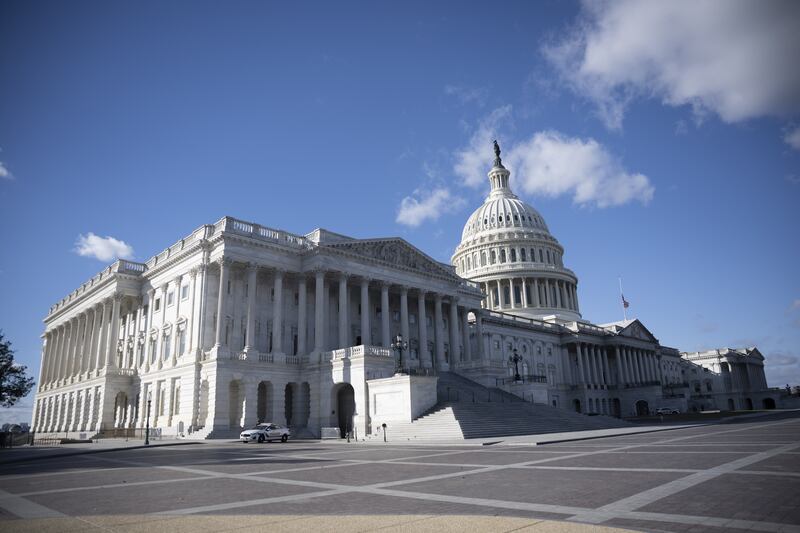 Polls suggest Republicans will struggle to cling onto control of the House and Senate come midterms. Celal Gunes/Anadolu via Getty Images
Celal Gunes/Anadolu via Getty Images
Polls suggest Republicans will struggle to cling onto control of the House and Senate come midterms. Celal Gunes/Anadolu via Getty Images
Celal Gunes/Anadolu via Getty Images
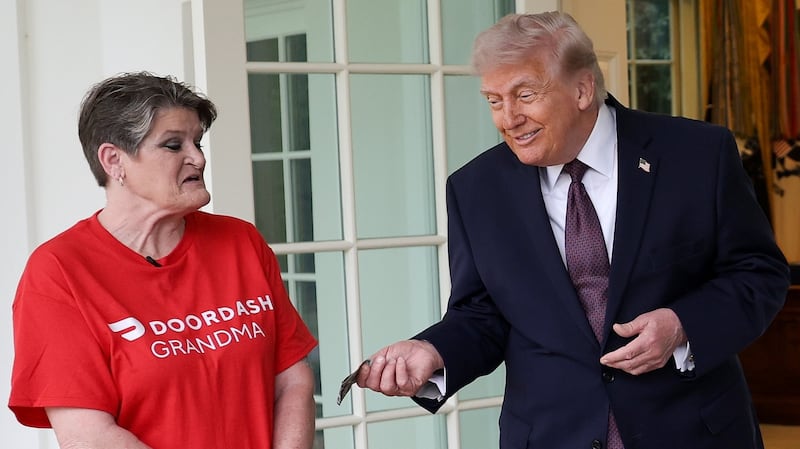 GOP Senators pointed to Trump's staged encounter with a DoorDash delivery worker last week as evidence of how the president routinely veers off-script. Win McNamee/Getty Images
Win McNamee/Getty Images
GOP Senators pointed to Trump's staged encounter with a DoorDash delivery worker last week as evidence of how the president routinely veers off-script. Win McNamee/Getty Images
Win McNamee/Getty Images
 thedailybeast.com
FBI director Kash Patel has filed a $250 million lawsuit against The Atlantic over an article alleging chronic drinking and frequent absences from work, according to the Guardian’s US politics live blog. The filing, lodged in Washington DC district court, lists “libel, assault and slander” and also names the story’s author, Sarah Fitzpatrick.
The underlying dispute is familiar: an official with extraordinary coercive powers is trying to move an argument about fitness for office from public scrutiny into expensive litigation. The Atlantic piece, as summarised by the Guardian, relied on conversations with current and former officials speaking anonymously, who claimed Patel drinks to excess and has been unreachable at times. Patel’s response, also quoted by the Guardian, was blunt: “Print it, all false, I’ll see you in court – bring your checkbook.”
The suit lands amid broader Republican unease about message discipline in Trump’s second term. The Daily Beast, citing NOTUS reporting and unnamed Republican senators, describes party officials attempting to refocus attention on last year’s tax cuts ahead of the midterm elections, while being repeatedly knocked off course by Trump’s improvisations and culture-war detours. Senators quoted in the piece complain that the party is “not even singing in the same tongue”, and point to staged White House events that veer into unrelated controversies.
Patel’s lawsuit fits that pattern: it is not a legislative initiative or an operational reform, but a political act that consumes bandwidth and invites discovery fights over internal communications. For a sitting FBI director, the optics are unusually direct. The Bureau’s credibility depends on the perception that its leadership is insulated from personal vendettas and political retaliation; suing a magazine over reporting about workplace conduct invites exactly the opposite inference.
It also tests how American media defendants handle high-stakes defamation threats in a polarised environment. If the complaint survives early motions, the case could become a referendum on whether anonymous sourcing about senior officials’ behaviour can be litigated into disclosure, and whether the costs of defence push outlets toward settlement or silence.
Patel is asking a federal court for damages that would cripple most newsrooms. The allegation he is trying to erase is mundane and specific: that the FBI director is sometimes not reachable when colleagues need him.