
Fuel theft rises at UK petrol stations
Forecourt operators link jump to Iran-related price spike, unpaid litres become a £100m line item
Images
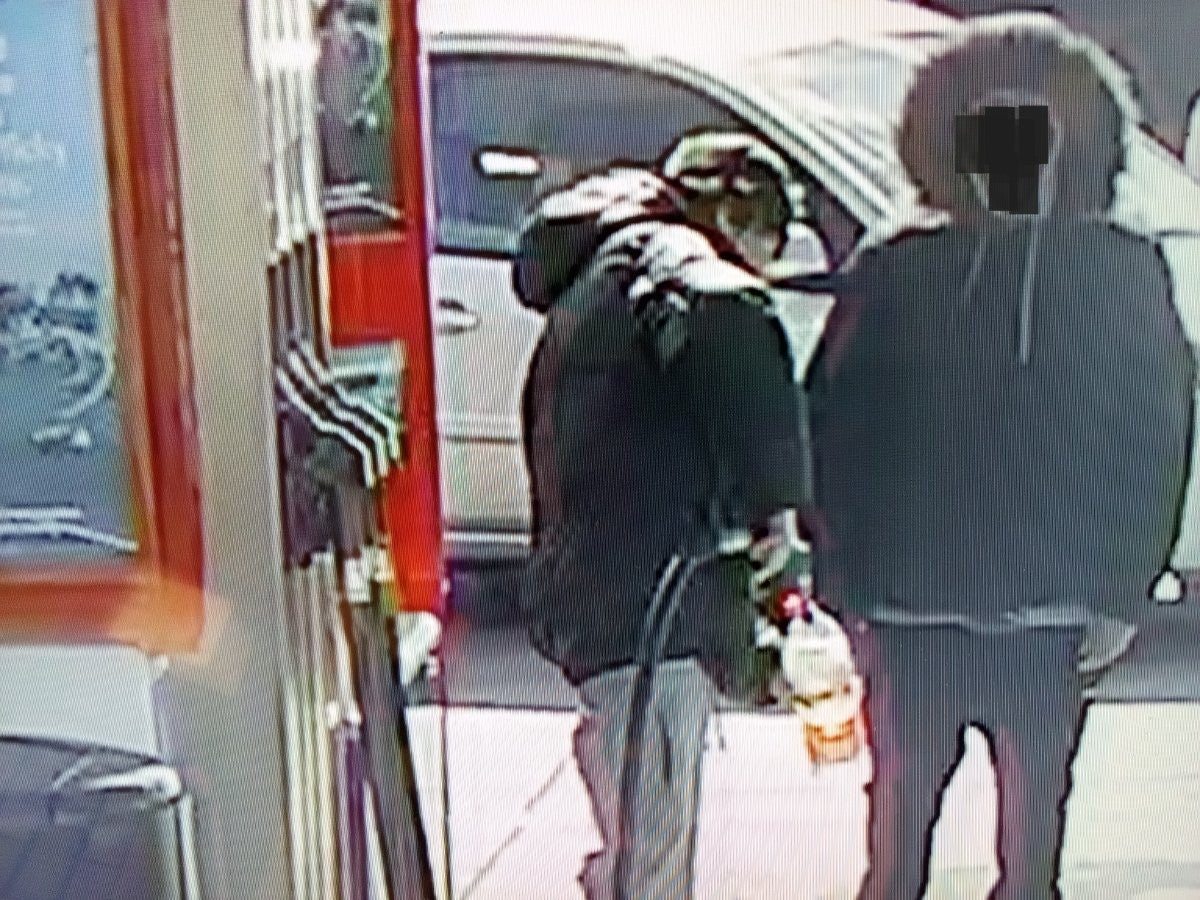 Multiple organisations have reported a rise in fuel thefts (Forecourt Eye)
Forecourt Eye
Multiple organisations have reported a rise in fuel thefts (Forecourt Eye)
Forecourt Eye
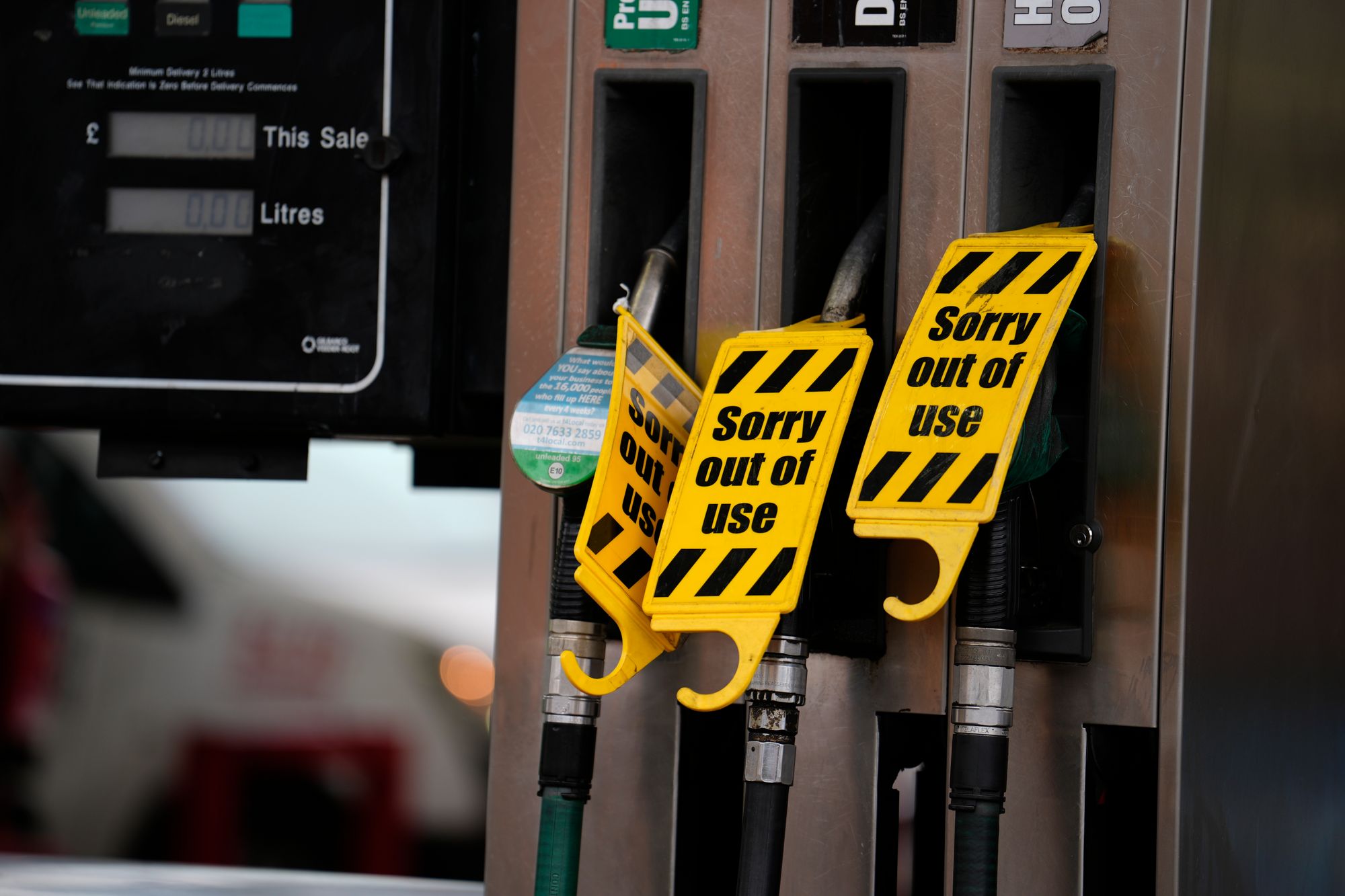 Diesel prices have soared since the war in Iran (PA)
independent.co.uk
Diesel prices have soared since the war in Iran (PA)
independent.co.uk
 Yvette Cooper said Iran must not be allowed to charge tolls for passage through the Strait of Hormuz (Getty)
Getty
Yvette Cooper said Iran must not be allowed to charge tolls for passage through the Strait of Hormuz (Getty)
Getty
Britain’s forecourt operators say fuel theft is rising fast, and the timing matches the latest jump in pump prices. Forecourt Eye, which monitors incidents at petrol stations, reports a 22% increase in “no means of payment” cases and a 6% rise in drive-offs across a sample of 500 sites since the Iran conflict began in late February, according to The Independent. The British Oil Security Syndicate (BOSS) says unpaid fuel is up 19% in March, putting annual losses for the sector above £100m.
The mechanism is mundane: the “no means of payment” form is meant for genuine mishaps—wallet left at home, card declined—with a seven-day window to settle. In a high-price environment it becomes a low-risk option for opportunists, especially when enforcement is patchy and staff are busy. BOSS told operators to watch for a specific pattern: customers who enter the shop, buy something small, and leave without paying for the fuel—creating a transaction trail that looks like normal business while the main item goes unpaid.
The price shock itself is being attributed to geopolitics. The Independent cites RAC figures showing diesel up 48.6p per litre and petrol up 25.1p per litre since the conflict began. Those increases are large enough to change behaviour at the margin: a tank of diesel becomes a meaningful household expense, and the temptation to externalise it onto a forecourt’s balance sheet rises with every penny.
The story also shows where risk lands when a product is sold in tiny, frequent transactions. A refinery or importer can hedge, a distributor can spread losses, but the petrol station is a retail choke point with immediate exposure and limited leverage. If theft grows, operators typically respond with more cameras, pre-pay requirements, and tighter controls—measures that also slow down honest customers and raise operating costs. In practice, higher prices can produce both more theft and a more restrictive retail experience, even for people who pay.
For now, the numbers are warnings rather than a full accounting. Forecourt Eye’s data is based on a monitored sample, and BOSS’s £100m figure is an industry estimate. But the direction is clear: as pump prices rise, unpaid fuel starts to look less like a nuisance and more like a business line item.
At peak hours, the easiest litre to steal is still the one pumped first and argued about later at the till.