
Eight children killed in Shreveport shooting
Police say domestic disturbance escalates across three locations, suspect dies after chase into Bossier City
Images
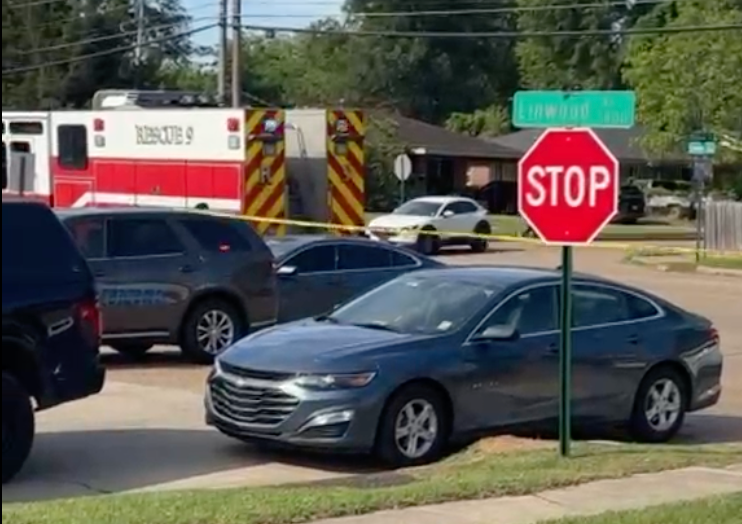 Eight children have been killed in a mass shooting in Louisiana following a ‘domestic disturbance,’ police said Sunday morning (Shreveport Police Department)
Shreveport Police Department
Eight children have been killed in a mass shooting in Louisiana following a ‘domestic disturbance,’ police said Sunday morning (Shreveport Police Department)
Shreveport Police Department
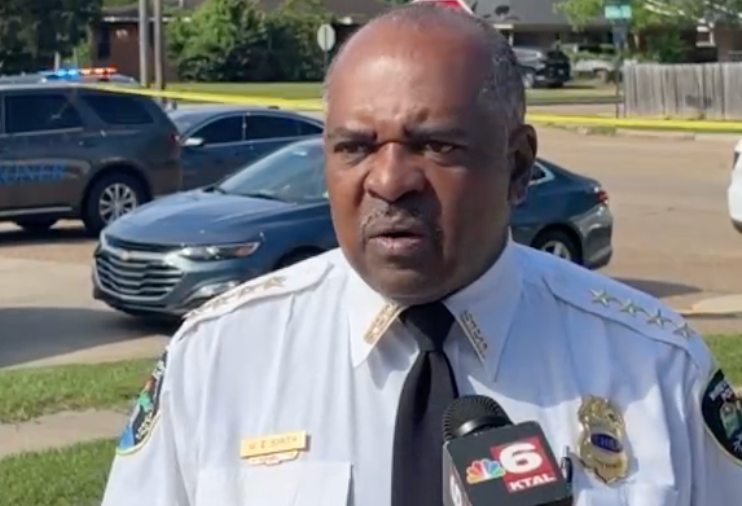 Shreveport police chief Wayne Smith said he was ‘taken aback’ by the horrifying shooting (Shreveport Police Department)
Shreveport Police Department
Shreveport police chief Wayne Smith said he was ‘taken aback’ by the horrifying shooting (Shreveport Police Department)
Shreveport Police Department
Eight children aged between 1 and 14 were killed in a shooting in Shreveport, Louisiana, after police were called to what they described as a “domestic disturbance,” according to The Independent. Two other people were shot, police said, and the suspected gunman was later killed by officers after fleeing in a stolen vehicle and being pursued into neighboring Bossier City.
The scale of the deaths is unusual even by American mass-shooting standards, and the initial details point to a pattern that tends to be harder to prevent than public-place attacks: violence inside families or close households. In these cases, the warning signs are often known to people nearby—partners, relatives, social services, local police—but the decision to act is fragmented across agencies and constrained by the legal threshold for intervention. When a crisis escalates quickly, the response is typically reactive: a 911 call, a search, and then a chase.
The incident also shows how “mass shooting” statistics bundle together very different phenomena. A domestic killing spree produces high casualty counts without involving the public spaces that drive many policy debates, and it often ends before any broader security response can be mounted. That leaves officials with familiar tools—calls for vigilance, appeals for community support, and promises of investigation—while the underlying mechanics remain local: who had access to the weapon, who knew the household was unstable, and what steps were taken when earlier problems surfaced.
Police in Shreveport said the shootings took place across three locations, complicating the picture further. Multiple scenes can mean multiple opportunities for intervention—neighbors calling earlier, officers arriving sooner, barriers to movement—but it can also mean the attacker had time and mobility to continue. The suspect’s flight in a stolen vehicle and subsequent death in a separate city underscores how quickly a domestic incident can spill into a wider police operation, pulling resources across jurisdictions.
At a press conference, Shreveport police chief Wayne Smith said he was “taken aback” and described the event as among the worst the city had seen. Mayor Tom Arceneaux called it “a terrible morning in Shreveport.”
By Sunday afternoon, Louisiana State Police had joined the investigation, and Shreveport—population roughly 180,000—had three crime scenes and eight child victims to account for.