
Mexico Spain and Brazil urge dialogue on Cuba crisis
Oil blockade turns Havana into a dark city after buses and flights are cut, diplomacy offers words while fuel supply decides outcomes
Images
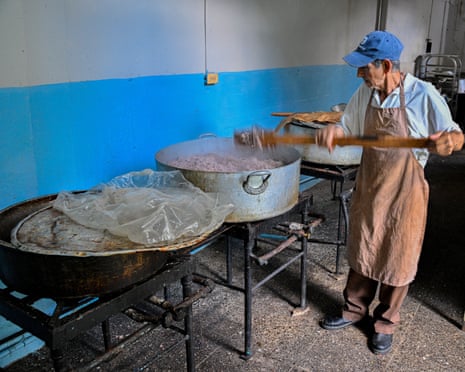 A cook prepares food for elderly worshippers at the Nazareth Baptist Church in La Vibora, Havana, amid the crisis in Cuba. Photograph: Adalberto Roque/AFP/Getty Images
theguardian.com
A cook prepares food for elderly worshippers at the Nazareth Baptist Church in La Vibora, Havana, amid the crisis in Cuba. Photograph: Adalberto Roque/AFP/Getty Images
theguardian.com
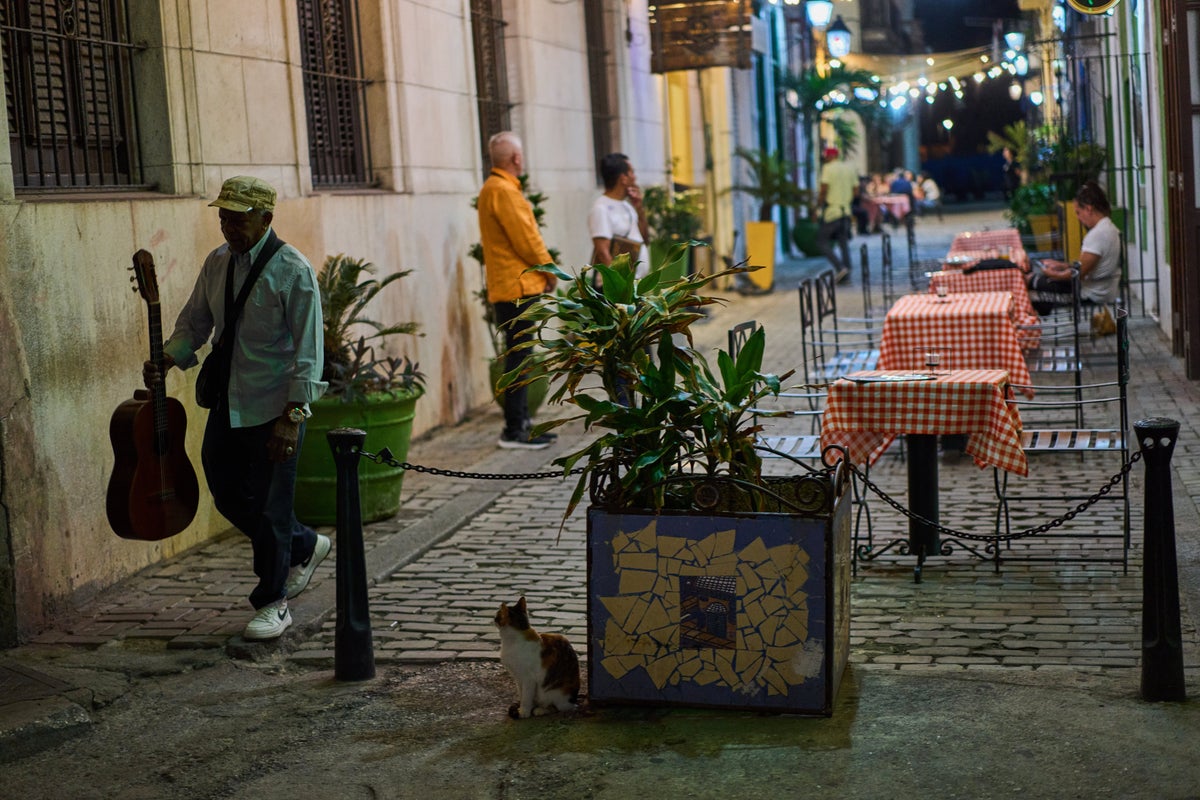 An energy blockade on Cuba pulls the plug on Havana’s legendary nightlife
independent.co.uk
An energy blockade on Cuba pulls the plug on Havana’s legendary nightlife
independent.co.uk
Mexico, Spain and Brazil issued a joint statement on Saturday calling for “sincere and respectful dialogue” to address what they described as Cuba’s “grave humanitarian crisis”, according to Agence France-Presse in The Guardian. The statement, released by Mexico’s foreign ministry, avoided naming the United States, but came as Havana faces tightened pressure from President Donald Trump, including an oil blockade that has deepened the island’s energy and economic breakdown.
The timing and the wording matter. The three governments—Mexico’s Claudia Sheinbaum, Spain’s Pedro Sánchez and Brazil’s Luiz Inácio Lula da Silva—framed the problem as humanitarian and procedural: dialogue “in line with international law”, and a “lasting solution” in which “the Cuban people themselves decide their own future”. It is a familiar diplomatic formula, but it also reflects a practical constraint: none of the three countries can refill Cuba’s fuel system at scale, while Washington can choke it quickly by deterring suppliers.
On the ground, the energy shortage is now rewriting daily life in Havana. The Independent reports that nightlife has largely gone dark: theatres closed, bars shuttered, streets empty. Fuel rationing is down to 20 litres per vehicle, buses stop running at 6 p.m., and business owners describe days without customers as tourism collapses. The scale is visible in official numbers: Cuba reported 77,600 tourists in February, down from 178,000 a year earlier, the paper says.
The blockade’s mechanism is less about a single ban than about making transactions too costly to attempt. The Independent describes airlines such as Air France, Air Canada and Iberia suspending Havana flights because they cannot reliably refuel. When transport and tourism fail simultaneously, private restaurants and small businesses lose cash flow, while the state loses hard currency needed for imports. The result is a feedback loop: fewer tourists means less revenue to buy fuel and spare parts, which means fewer services for the tourists who might have come.
Washington’s Cuba policy is also being tied to its broader regional posture. AFP notes Cuba has been “bracing for a possible attack” after Trump warned that Cuba is “next” following the removal of Venezuela’s Nicolás Maduro and a war with Iran. The Independent adds that after Maduro’s fall, the US severed Venezuela’s oil supply to Cuba and threatened tariffs on countries selling oil to the island; Cuba reportedly went without a single shipment until a Russian tanker arrived in March.
For Spain, the Cuba question is politically awkward. Sánchez hosted a summit of progressive leaders in Barcelona the same day, while trying to keep Spain aligned with EU and US sanctions policy. Mexico and Brazil, meanwhile, have their own reasons to avoid escalation: both want regional stability and trade access, and neither benefits from a new Caribbean flashpoint.
The joint statement asks for dialogue. In Havana, the city’s night buses still stop at six.