
Tucker Carlson’s son leaves JD Vance press team
Exit predates Iran war feud but lands amid public rupture, staff careers track media alliances as much as policy
Images
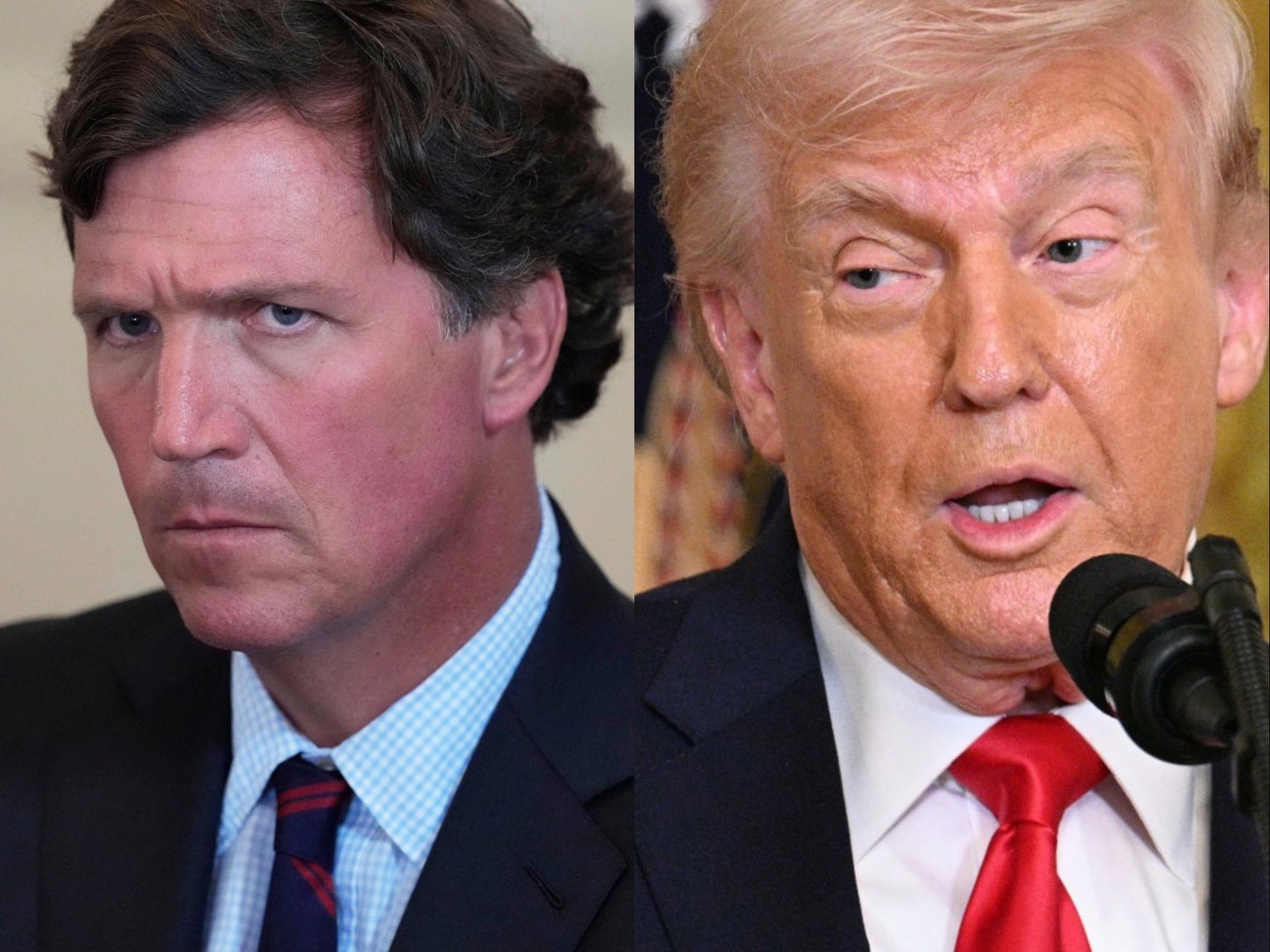 Tucker Carlson’s son Buckley Carlson has reportedly left the White House amid his father’s feud with the president, though an official said the exit plans predated the blowup (AFP/AP)
AFP/AP
Tucker Carlson’s son Buckley Carlson has reportedly left the White House amid his father’s feud with the president, though an official said the exit plans predated the blowup (AFP/AP)
AFP/AP
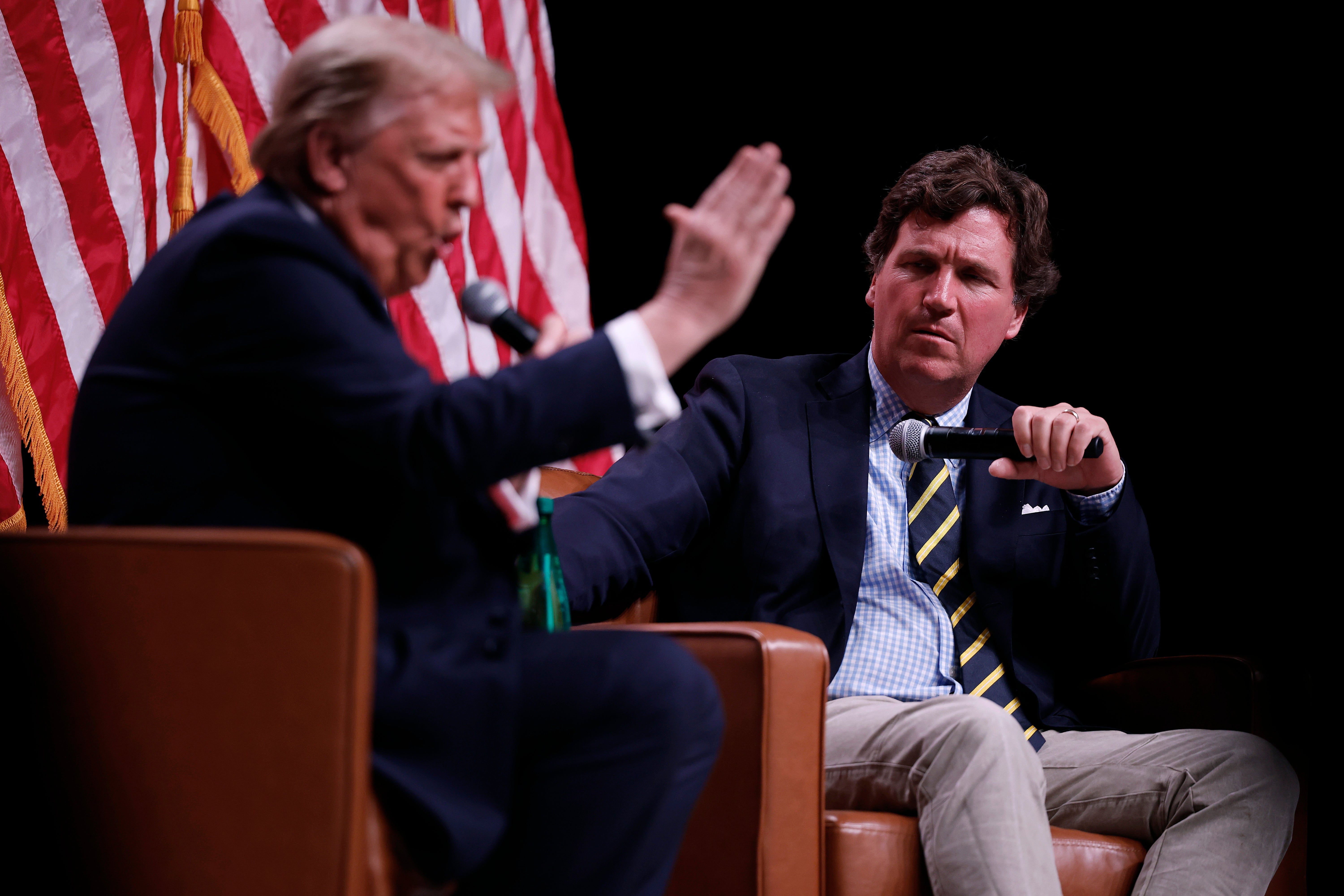 Carlson, along with fellow right-wing broadcasters such as Alex Jones and Megyn Kelly, have criticized President Trump’s war in Iran (Getty)
Getty
Carlson, along with fellow right-wing broadcasters such as Alex Jones and Megyn Kelly, have criticized President Trump’s war in Iran (Getty)
Getty
Buckley Carlson, the son of conservative broadcaster Tucker Carlson, has left his job as Vice President JD Vance’s deputy press secretary, Politico reported. A Vance official told Politico the departure had been planned months earlier: Carlson informed the office in December and stayed on to manage a transition. He is leaving to start a political consulting firm after previously working as communications director for Representative Jim Banks of Indiana.
Even if the timeline predates the latest blow-up, the optics are hard to miss. Tucker Carlson has moved from being one of Donald Trump’s most influential media allies to a public critic of the administration’s Iran war and of Trump’s rhetoric around it. The Independent reports that Carlson criticised Trump’s Easter Sunday threats toward Iran, framing them as a kind of theological overreach: “Who do you think you are?” Carlson asked on his show, arguing the US is “not a theocracy.” Trump responded on Truth Social by attacking Carlson and other critics as “Low IQs,” a phrase Carlson then turned into merchandise by selling “LOW IQ” baseball caps.
The episode shows how tightly Republican politics now interlocks with the media personalities who supply its energy, discipline and funding. When a high-profile commentator breaks with the White House on a defining issue—war—staffers and operatives connected to that figure become collateral, even if their own roles are technical and their decisions pre-planned. Campaigns and administrations hire from a small ecosystem of communications professionals who trade on relationships and access; those relationships can become liabilities when factional lines shift.
Carlson’s broader estrangement has been building. The Independent notes that he drew backlash last year after a friendly interview with white nationalist Nick Fuentes, then attacked the Republican Party as “betrayers” who had sold out Trump’s populist promises to wealthy donors. The Iran war has sharpened that conflict because it collides with Trump’s campaign posture against “unnecessary foreign wars,” while also forcing would-be loyalists to choose between institutional alignment and audience alignment.
For Vance, whose political brand has been built partly through the same media ecosystem, the personnel move is a reminder that communications staffing is never just about press releases. It is also about which networks of influence a politician is willing to be seen relying on.
Buckley Carlson’s next step is a consulting shop. The immediate fact remains that one of the most recognisable surnames in conservative media has quietly exited the vice president’s press operation while the family’s public relationship with the president deteriorates in real time.