
North Korea launches multiple ballistic missiles
Tests from Sinpo prompt emergency talks in Seoul and protest in Tokyo, routine violations keep regional militaries on permanent alert
Images
 North Korea launches ballistic missiles toward sea
independent.co.uk
North Korea launches ballistic missiles toward sea
independent.co.uk
North Korea launched multiple ballistic missiles toward the sea on Sunday morning from the Sinpo area on its east coast, South Korea’s Joint Chiefs of Staff said, with Japan also detecting the launches and issuing a protest, according to an Associated Press report carried by The Independent. South Korea’s presidential office said its National Security Council would hold an emergency meeting, while Seoul said it was closely exchanging information with the United States and Japan.
Sinpo is not a random launch site. It is associated with naval facilities and has been linked in past reporting to submarine-related development, making any missile activity from the area a signal not only about range but about basing and survivability. The timing also fits a familiar pattern: a short, contained test that forces regional militaries to respond operationally—tracking, sharing data, and updating readiness—without giving them a clear target for retaliation. Tokyo described the launches as a violation of UN Security Council resolutions banning North Korean ballistic activity, but the enforcement gap is built into the system: condemnation is cheap, while interception and pre-emption are costly and escalatory.
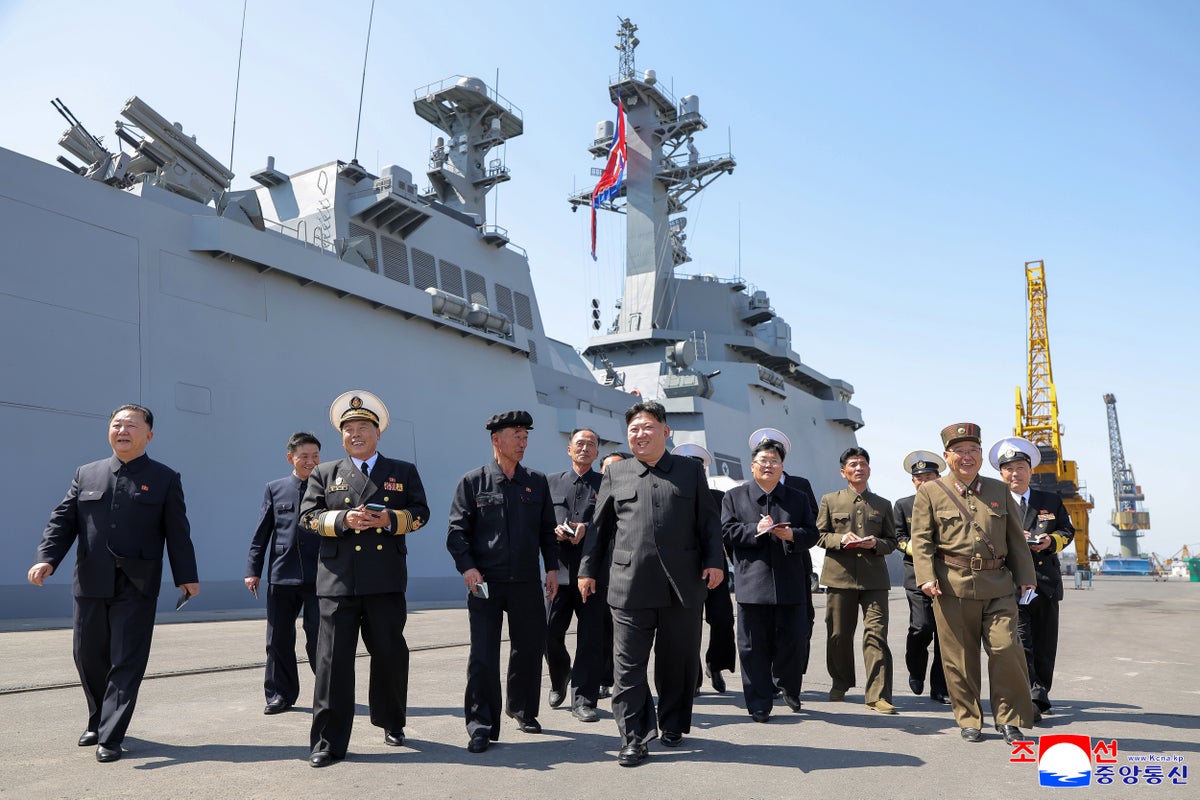
The tests also feed domestic and bureaucratic incentives inside North Korea. Last week, Pyongyang said Kim Jong Un supervised missile tests conducted from the country’s destroyer and called for the “limitless expansion” of nuclear forces, language that turns weapons programs into a standing policy rather than a bargaining chip. That framing matters because it reduces the value of negotiated pauses: if expansion is the goal, the only question is tempo. The International Atomic Energy Agency’s director general, Rafael Grossi, said the agency has confirmed “a rapid increase” in activity at North Korean nuclear facilities, a parallel track that suggests missile launches are not isolated stunts but part of an integrated buildout.
For South Korea and Japan, each launch is both a security problem and a political one. Public alerts and emergency meetings demonstrate vigilance, but they also normalize a baseline of recurring tests—an environment in which costly missile-defense investments and tighter US alliance integration become easier to justify. For Washington, the calculus is complicated by bandwidth: a crisis in the Gulf and a tense ceasefire elsewhere make sustained focus on East Asia harder, which increases the value of short, attention-grabbing demonstrations by Pyongyang.
On Sunday, the missiles were detected, tracked, and reported, and officials scheduled another emergency meeting. The launches landed off North Korea’s east coast.