
Iranian forces fire on Indian oil tanker
New Delhi summons Tehran envoy over Strait of Hormuz incident, shipping security now priced ship by ship
Images
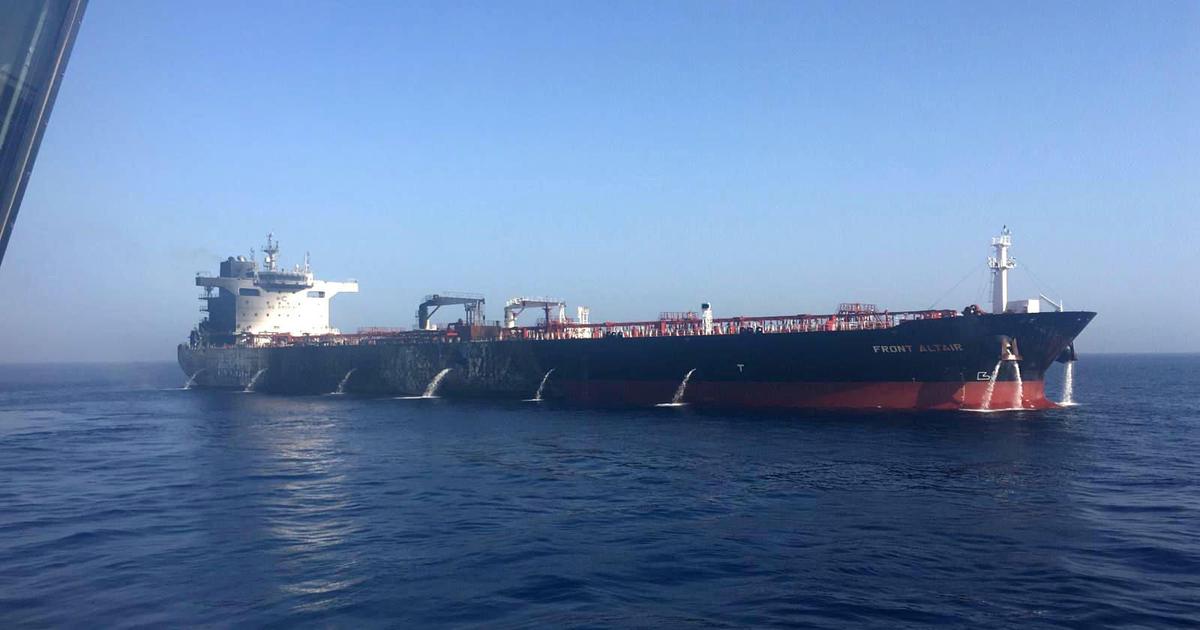 A crude oil tanker in the Gulf of Oman. Representative image.
|
Reuters
scroll.in
A crude oil tanker in the Gulf of Oman. Representative image.
|
Reuters
scroll.in
 Representative image.
|
Stelios Misinas/Reuters
scroll.in
Representative image.
|
Stelios Misinas/Reuters
scroll.in
An Indian-flagged crude tanker carrying roughly two million barrels of Iraqi oil was fired on in the Strait of Hormuz on Saturday, according to India’s Ministry of External Affairs and reporting cited by Scroll.in from Reuters and Indian media. New Delhi summoned Iran’s ambassador, Mohammad Fathali, to lodge a formal protest after the vessel Jag Arnav reported being shot at; a second Indian ship, Sanmar Herald, was nearby but not hit. Iran, for its part, said earlier in the day it was reimposing strict military controls over the strait after what it described as “repeated breaches of trust” by the United States.
The incident lands on a shipping lane that carries about a fifth of the world’s petroleum supply, and it comes days after Tehran said it had reopened the waterway to commercial traffic following a short ceasefire connected to the wider regional conflict. Yet the practical meaning of “open” has increasingly been set by ad hoc permissions, naval warnings, and the willingness of insurers and shipowners to accept risk. When tankers are turned back or fired upon, the market response is immediate: freight rates, war-risk premiums and delivery times jump long before any government publishes a new policy.
For Asian importers, the chokepoint is not an abstraction. India buys the bulk of its oil from abroad, and its refiners have built operations around predictable flows from the Gulf and Iraq. A disruption at Hormuz forces a scramble for alternative cargoes, longer routes, or temporary drawdowns—costs that ultimately show up in fuel prices and government budgets. It also creates leverage for Tehran precisely because the harm is diffuse: one warning shot can raise costs for dozens of companies, while attribution and escalation remain politically negotiable.
The episode also sits alongside Washington’s own balancing act. In a separate move reported by Scroll.in, the US Treasury extended a sanctions waiver allowing countries including India to keep buying certain Russian oil cargos loaded by a specified date, citing the need to ease global energy prices amid Middle East disruptions. The result is a system where shipping risk in one corridor and sanctions risk in another are managed by paperwork, exemptions and deadlines—tools that are legible to finance departments but less reassuring to crews at sea.
India’s foreign ministry urged Iran to resume facilitating India-bound ships through Hormuz “at the earliest,” pointing to earlier instances where Tehran helped Indian vessels transit safely. On Saturday, that reassurance was being sought after a ship had already been shot at.